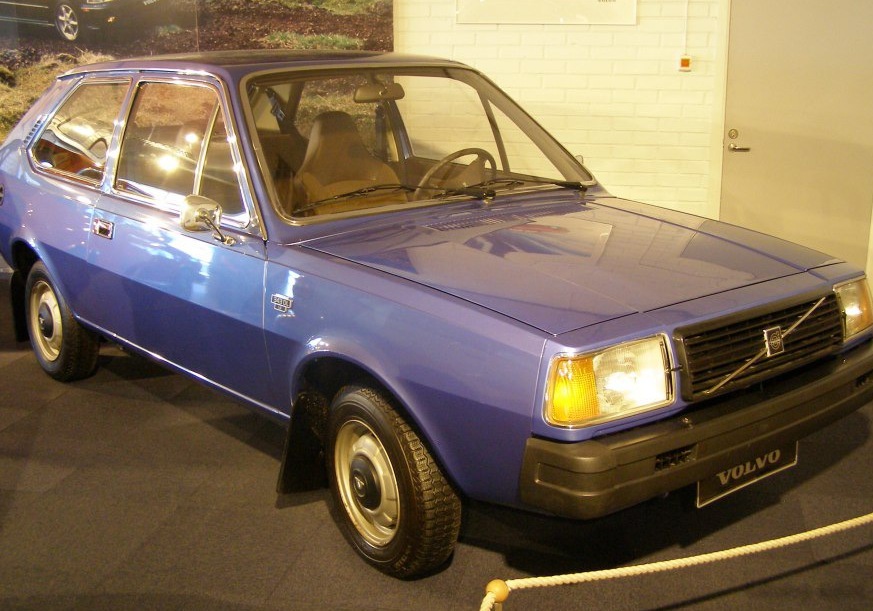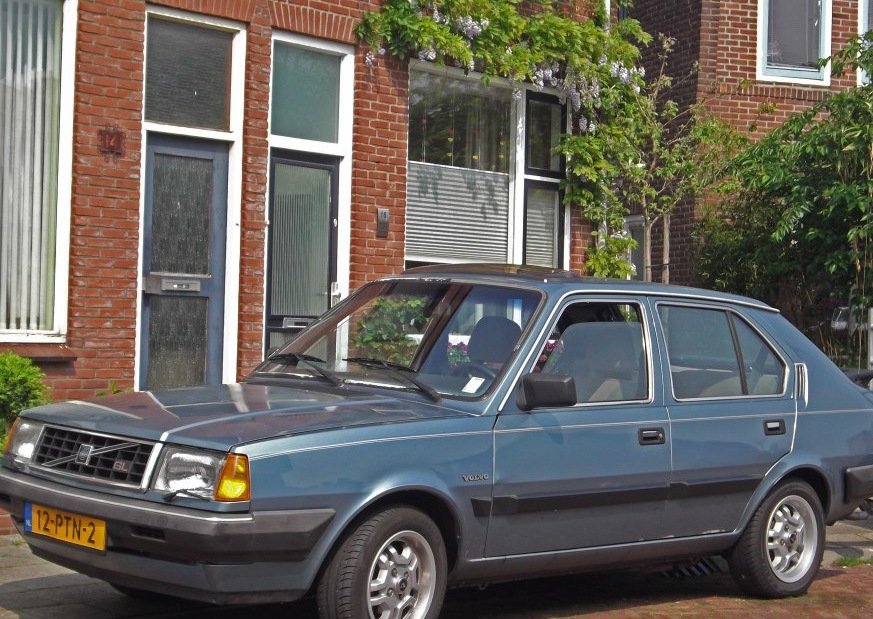
The Volvo 340 and 360 series, specifically the 344 model with the 1.4-liter engine producing 69 horsepower, represented Volvo’s entry-level offering during a pivotal period for the Swedish automaker. Produced from 1987 to 1988, this variant occupied the base trim level within the 340/360 range, aimed at providing affordable and reliable transportation. It was a key component of Volvo’s strategy to broaden its appeal beyond the traditionally more affluent buyer. The 340 series, and subsequently the 360, were a departure for Volvo, utilizing front-wheel drive – a first for the brand – and a transversely mounted engine, marking a significant shift in engineering philosophy.
Technical Specifications
| Brand | Volvo |
| Model | 340-360 |
| Generation | 340-360 (344) |
| Type (Engine) | 1.4 (69 Hp) |
| Start of production | 1987 |
| End of production | 1988 |
| Powertrain Architecture | Internal Combustion engine |
| Body type | Hatchback |
| Seats | 5 |
| Doors | 5 |
| Fuel Type | Petrol (Gasoline) |
| Power | 69 Hp |
| Engine Model/Code | B14.4S |
| Engine aspiration | Naturally aspirated engine |
| Engine oil capacity | 4 l (4.23 US qt | 3.52 UK qt) |
| Coolant capacity | 6.5 l (6.87 US qt | 5.72 UK qt) |
| Fuel tank capacity | 45 l (11.89 US gal | 9.9 UK gal) |
| Length | 4320 mm (170.08 in.) |
| Width | 1660 mm (65.35 in.) |
| Height | 1392 mm (54.8 in.) |
Powertrain & Engine Architecture
The heart of the 344 1.4 was the B14.4S engine, a 1.4-liter inline-four cylinder powerplant. This engine was a relatively simple design, featuring a single overhead camshaft (SOHC) operating two valves per cylinder. Fuel delivery was managed by a Bosch mechanical fuel injection system, a step up from carburetors but less sophisticated than later electronic fuel injection systems. The B14.4S produced 69 horsepower at approximately 6000 rpm and 88 lb-ft of torque at 3000 rpm. This engine was known for its durability and relative ease of maintenance, though its performance was modest by contemporary standards.
The engine was paired with a four-speed automatic transmission, a common configuration for this entry-level trim. This transmission was designed for smooth operation and fuel efficiency, prioritizing comfort over sporty performance. The automatic transmission contributed to the car’s accessibility for a wider range of drivers, particularly those unfamiliar or uninterested in manual gearboxes.
Driving Characteristics
The 1.4-liter engine and automatic transmission combination resulted in a driving experience focused on practicality and economy. Acceleration was leisurely, with 0-60 mph times estimated around 14-16 seconds. The automatic transmission’s gear ratios were optimized for fuel efficiency, meaning the engine often operated at lower RPMs during cruising. Compared to the more powerful 1.6-liter and 2.0-liter variants, the 1.4 felt noticeably slower, especially when fully loaded or tackling inclines. However, the automatic transmission provided a smooth and effortless driving experience, making it well-suited for urban commuting and relaxed highway driving. The steering was light and responsive, contributing to the car’s ease of maneuverability.
Equipment & Trim Levels
The 344 1.4 represented the base trim level, and as such, came equipped with a relatively modest set of standard features. Interior upholstery was typically cloth, with a simple dashboard layout. Standard equipment included basic instrumentation, such as a speedometer, fuel gauge, and temperature gauge. Power steering was often optional, and air conditioning was typically an extra-cost option. The 344 1.4 prioritized functionality over luxury, offering essential features for comfortable transportation. Optional extras included a radio, upgraded interior trim, and tinted glass.
Chassis & Braking
The Volvo 340/360 series utilized a MacPherson strut front suspension and a twist-beam rear suspension. The 344 1.4, being the base model, typically featured smaller diameter tires and wheels compared to higher trim levels. Braking was accomplished via disc brakes on the front wheels and drum brakes on the rear wheels. While adequate for the car’s weight and performance, the rear drum brakes were a point of criticism compared to the all-disc setups found on more expensive models. A stabilizer bar was included at the front to reduce body roll during cornering, enhancing handling stability.
Market Reception & Comparison
The 344 1.4 was generally well-received as an affordable and reliable entry-level vehicle. Critics praised its build quality and safety features, hallmarks of the Volvo brand. However, the engine’s modest power output was often noted as a drawback, particularly when compared to competitors offering more powerful engines in similar price ranges. Fuel economy was a strong point, with the 1.4-liter engine achieving around 28-32 mpg in combined driving. Compared to the 1.6-liter and 2.0-liter variants, the 1.4 offered a lower purchase price but sacrificed performance. The 1.6-liter provided a noticeable improvement in acceleration and overall driving enjoyment, while the 2.0-liter offered the most spirited performance.
Legacy
The Volvo 340/360 series, including the 344 1.4, established Volvo as a competitor in the compact car segment. The B14.4S engine, while not known for its power, proved to be remarkably durable and reliable. Today, these cars are appreciated by enthusiasts for their simplicity, affordability, and classic Volvo charm. The 344 1.4, in particular, represents an accessible entry point into Volvo ownership. While finding well-maintained examples can be challenging, the availability of spare parts and the engine’s inherent robustness make it a viable option for those seeking a classic, reliable, and uniquely styled vehicle. The 340/360 series paved the way for Volvo’s future success in the compact car market, demonstrating the brand’s ability to adapt and innovate while maintaining its commitment to safety and quality.