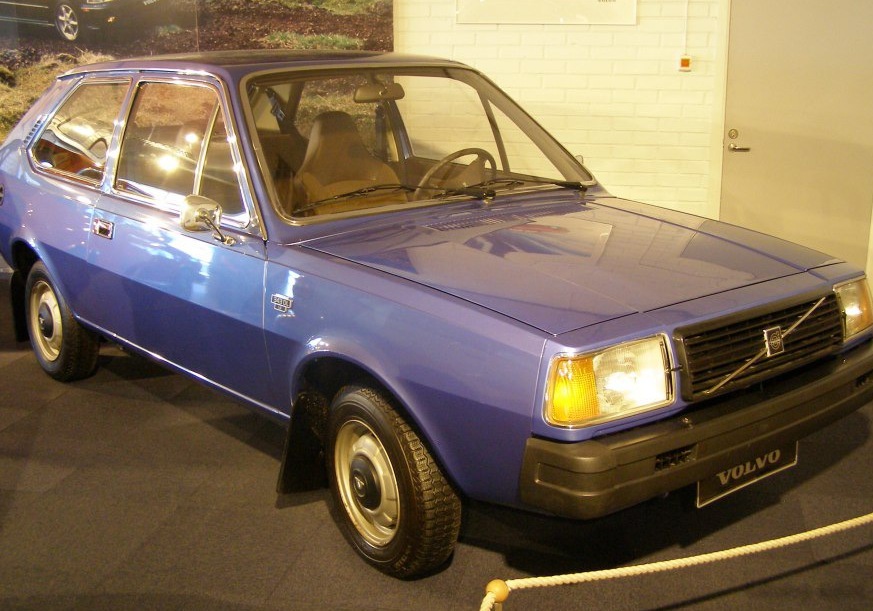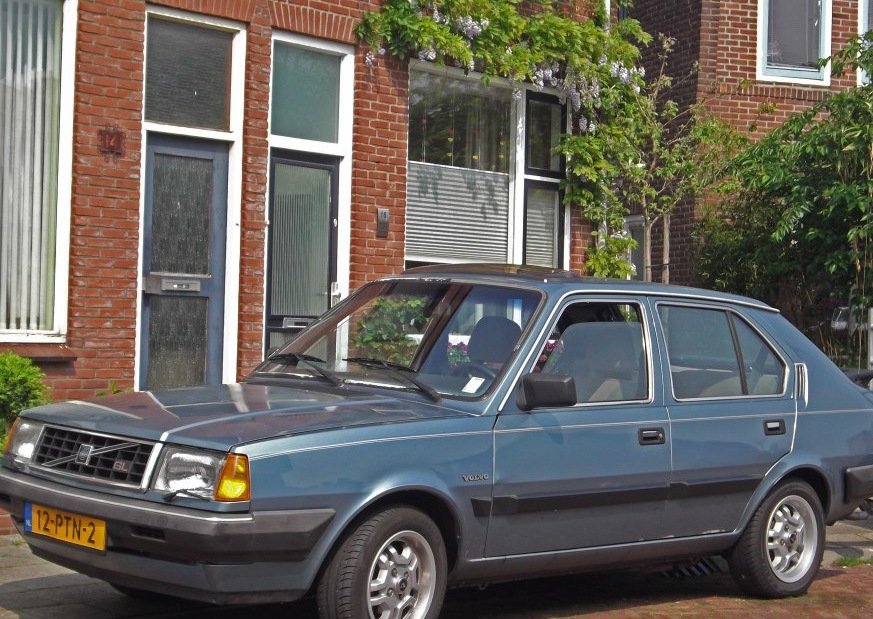
The Volvo 340 and 360 series, specifically the 344 model with the 1.4-liter engine producing 72 horsepower, represented Volvo’s entry into the compact hatchback market. Produced from 1983 to 1986, this variant was a crucial part of Volvo’s strategy to appeal to a broader customer base seeking fuel efficiency and practicality. It was built on Volvo’s new-for-the-time front-wheel-drive platform, a significant departure from the company’s traditionally rear-wheel-drive vehicles. The 344 1.4 served as the base model, offering a more affordable entry point into the Volvo brand.
Technical Specifications
| Brand | Volvo |
| Model | 340-360 |
| Generation | 340-360 (344) |
| Type (Engine) | 1.4 (72 Hp) |
| Start of production | 1983 |
| End of production | 1986 |
| Powertrain Architecture | Internal Combustion engine |
| Body type | Hatchback |
| Seats | 5 |
| Doors | 5 |
| Fuel Type | Petrol (Gasoline) |
| Power | 72 Hp |
| Engine Model/Code | B14.4S |
| Engine aspiration | Naturally aspirated engine |
| Engine oil capacity | 4 l (4.23 US qt | 3.52 UK qt) |
| Coolant capacity | 6.5 l (6.87 US qt | 5.72 UK qt) |
| Fuel tank capacity | 45 l (11.89 US gal | 9.9 UK gal) |
| Length | 4320 mm (170.08 in) |
| Width | 1660 mm (65.35 in) |
| Height | 1392 mm (54.8 in) |
Powertrain & Engine Architecture
The heart of the 344 1.4 was the B14.4S engine, a 1.4-liter inline-four cylinder powerplant. This engine was a relatively simple design, featuring a single overhead camshaft (SOHC) and two valves per cylinder. Fuel delivery was managed by a Bosch mechanical fuel injection system, a step up from carburetors but less sophisticated than later electronic fuel injection systems. The B14.4S produced 72 horsepower at 6000 rpm and approximately 86 lb-ft of torque at 3000 rpm. This engine was known for its durability and relative simplicity, making it relatively easy to maintain. The engine was paired with a four-speed automatic transmission, offering a comfortable driving experience, particularly in urban environments. The transmission was designed to prioritize fuel economy and smooth shifts over outright performance.
Driving Characteristics
The 344 1.4 Automatic was not designed for spirited driving. Its 72 horsepower and relatively heavy weight (around 2,400 lbs) resulted in modest acceleration. Zero to sixty mph times were typically in the 14-16 second range. The automatic transmission, while providing convenience, further reduced performance due to its conservative gear ratios. However, the car excelled in everyday driving situations. The front-wheel-drive layout provided good traction in most conditions, and the suspension offered a comfortable ride. Compared to the later 344 DL models with larger engines, the 1.4 felt noticeably slower, but it offered a more economical option for buyers prioritizing fuel efficiency. The manual transmission versions of the 1.4 offered a slightly more engaging driving experience, but the automatic was favored by many for its ease of use.
Equipment & Trim Levels
The 344 1.4 was the base trim level, and as such, it came with a relatively basic set of standard features. These typically included cloth upholstery, vinyl floor covering, and a simple dashboard layout. Power steering was not standard, but it was often included as an option. Other optional extras included a sunroof, upgraded audio system, and rear window wiper. The interior was functional and durable, reflecting Volvo’s reputation for practicality. The exterior featured steel wheels, black plastic bumpers, and relatively simple trim. The focus was on providing a reliable and affordable vehicle rather than luxury or style.
Chassis & Braking
The 344 1.4 utilized a MacPherson strut front suspension and a solid axle rear suspension. The rear suspension was relatively simple, contributing to the car’s affordability. Braking was accomplished via disc brakes on the front wheels and drum brakes on the rear wheels. This configuration was typical for vehicles in this price range during the early 1980s. The braking system was adequate for everyday driving, but it lacked the stopping power of more advanced systems found on higher-end vehicles. A stabilizer bar was included on the front suspension to reduce body roll during cornering.
Market Reception & Comparison
The 344 1.4 was generally well-received as an economical and practical hatchback. Critics praised its fuel efficiency and durability, but they also noted its lack of performance. Compared to other compact hatchbacks of the time, such as the Volkswagen Golf or Ford Escort, the 344 1.4 offered a more robust and safe feel, consistent with Volvo’s brand image. However, it was generally more expensive than its competitors. The 1.4 Automatic variant was particularly popular with buyers who prioritized convenience and ease of driving over performance. Fuel economy was a key selling point, averaging around 28-32 mpg in mixed driving conditions.
Legacy
The Volvo 340/360 series, including the 344 1.4, established Volvo as a player in the compact car market. While not known for blistering performance, the B14.4S engine proved to be remarkably durable and reliable. Today, the 344 1.4 is a relatively affordable classic car, appealing to enthusiasts who appreciate its simplicity and practicality. Parts availability is generally good, and the car’s robust construction means that many examples are still on the road. The 344 1.4 Automatic, while not the most desirable variant among collectors, remains a viable and enjoyable classic car for those seeking a reliable and fuel-efficient vintage vehicle. Its legacy lies in its contribution to Volvo’s expansion into new market segments and its reputation for enduring quality.