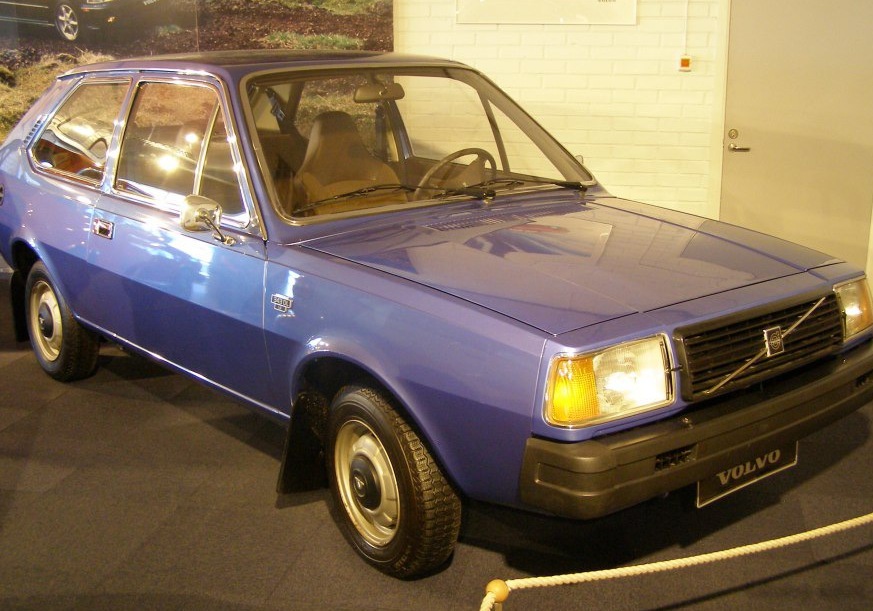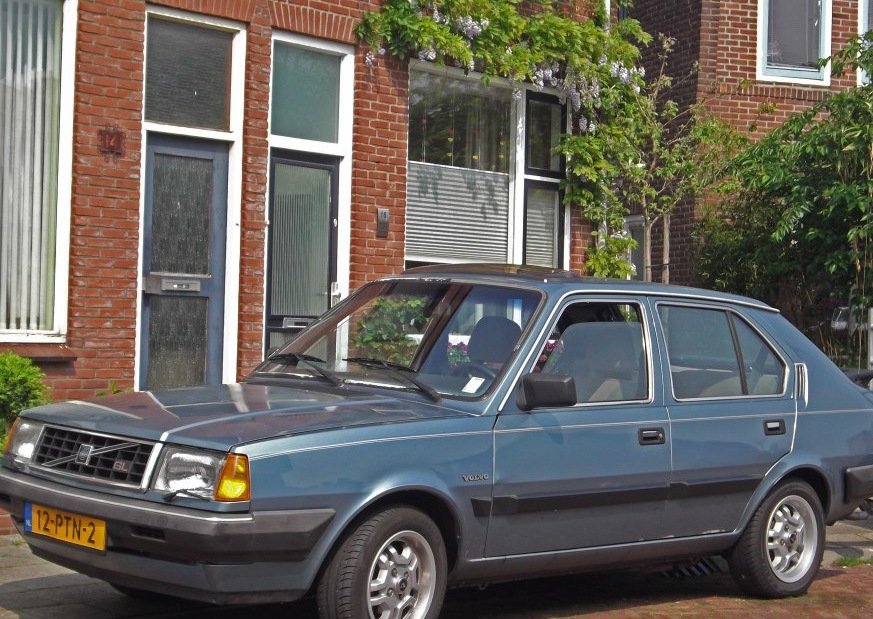
The Volvo 340 and 360 series, specifically the 344 model with the 1.6-liter diesel engine producing 54 horsepower, represented Volvo’s entry into the compact, front-wheel-drive market. Produced from 1985 to 1991, this variant was primarily aimed at European markets seeking fuel efficiency and practicality. It was a significant departure from Volvo’s traditionally rear-wheel-drive, larger vehicles, and marked a period of modernization for the Swedish automaker. The 344 diesel served as the base model, offering a cost-effective and economical option within the 340/360 range.
Technical Specifications
| Brand | Volvo |
| Model | 340-360 (344) |
| Generation | 340-360 (344) |
| Type (Engine) | 1.6 Diesel (54 Hp) |
| Start of production | 1985 |
| End of production | 1991 |
| Powertrain Architecture | Internal Combustion engine |
| Body type | Hatchback |
| Seats | 5 |
| Doors | 5 |
| Fuel Type | Diesel |
| Power | 54 Hp |
| Engine Model/Code | D16 |
| Engine aspiration | Naturally aspirated engine |
| Engine oil capacity | 5.5 l (5.81 US qt | 4.84 UK qt) |
| Coolant capacity | 7 l (7.4 US qt | 6.16 UK qt) |
| Fuel tank capacity | 48 l (12.68 US gal | 10.56 UK gal) |
| Length | 4320 mm (170.08 in) |
| Width | 1660 mm (65.35 in) |
| Height | 1392 mm (54.8 in) |
Powertrain & Engine Architecture
The heart of the 344 diesel was the Volvo D16 engine, a 1.6-liter inline-four diesel. This engine was a naturally aspirated, indirect injection diesel, a common configuration for the time. Indirect injection meant the fuel was injected into a pre-chamber before entering the main combustion chamber, resulting in quieter operation but slightly reduced efficiency compared to direct injection systems. The D16 featured a cast iron block and an aluminum cylinder head, a design choice aimed at balancing durability with weight. The engine utilized a Bosch mechanical fuel injection pump, a robust and reliable system. Valve actuation was handled by a single overhead camshaft operating two valves per cylinder. The engine’s modest 54 horsepower output was a result of its relatively low compression ratio and conservative fueling, prioritizing longevity and fuel economy over outright performance.
The 344 diesel was exclusively offered with a four-speed manual transmission. Volvo did not offer an automatic transmission option for this particular engine and trim level. The transmission was a standard, fully synchronized unit, designed for durability and ease of maintenance. The gear ratios were geared towards maximizing fuel efficiency and providing adequate, if not exhilarating, acceleration.
Driving Characteristics
The driving experience in the 344 1.6 diesel was characterized by its practicality and fuel efficiency rather than sporty performance. With only 54 horsepower, acceleration was leisurely, and overtaking required careful planning. The four-speed manual transmission demanded frequent shifting to maintain momentum, especially when climbing hills or carrying a full load. The engine produced a noticeable amount of diesel clatter, typical of indirect injection diesels of that era. However, the engine was remarkably tractable, offering a usable amount of torque from low engine speeds. The front-wheel-drive layout provided predictable handling, although the relatively narrow tires and soft suspension settings resulted in noticeable body roll during cornering. The steering was light and easy, making it well-suited for urban driving.
Equipment & Trim Levels
The 344 1.6 diesel represented the entry-level trim in the Volvo 340/360 range. As such, it came equipped with a relatively basic set of features. Standard equipment typically included cloth upholstery, vinyl floor covering, and a simple dashboard layout. Power steering and central locking were not standard, but were often available as optional extras. The radio was typically an aftermarket unit, as a factory-installed radio was an optional expense. Safety features, however, were a Volvo hallmark, even on the base model. All 344s included seat belts for all occupants, and the body structure was designed with crumple zones to absorb impact energy in the event of a collision.
Chassis & Braking
The 340/360 series utilized a MacPherson strut front suspension and a twist-beam rear suspension. This setup provided a comfortable ride, but wasn’t particularly sporty. The 344 diesel, being the base model, typically featured smaller diameter tires and thinner stabilizer bars compared to higher-spec versions. The braking system consisted of disc brakes on the front wheels and drum brakes on the rear wheels. This configuration was adequate for the vehicle’s weight and performance, but lacked the stopping power of all-disc setups found on more expensive models. The steering was a rack-and-pinion system, providing light and precise control.
Market Reception & Comparison
The 344 1.6 diesel was well-received in European markets as a practical and economical family car. Critics praised its fuel efficiency and durability, but noted its lack of performance. Compared to the gasoline-powered 340 models, the diesel offered significantly better fuel economy, but at the expense of acceleration and refinement. The diesel was also quieter and smoother than many of its competitors, thanks to the indirect injection system. Compared to other diesel-powered cars in its class, the Volvo 344 diesel offered a good balance of comfort, safety, and reliability. It was often seen as a more premium option than many of its rivals, reflecting Volvo’s reputation for build quality and safety.
Legacy
The Volvo 340/360 series, including the 1.6 diesel variant, proved to be a durable and reliable vehicle. The D16 diesel engine, while not particularly powerful, was known for its longevity and relatively low maintenance costs. Today, the 344 diesel is a relatively rare sight on the roads, but those that remain are often well-maintained by enthusiasts. The car has gained a cult following among those who appreciate its simplicity, practicality, and classic Volvo styling. Parts availability can be a challenge, but many components are still available through specialist suppliers. The 344 diesel represents a significant chapter in Volvo’s history, marking the company’s transition to front-wheel-drive and a more modern approach to automotive engineering.