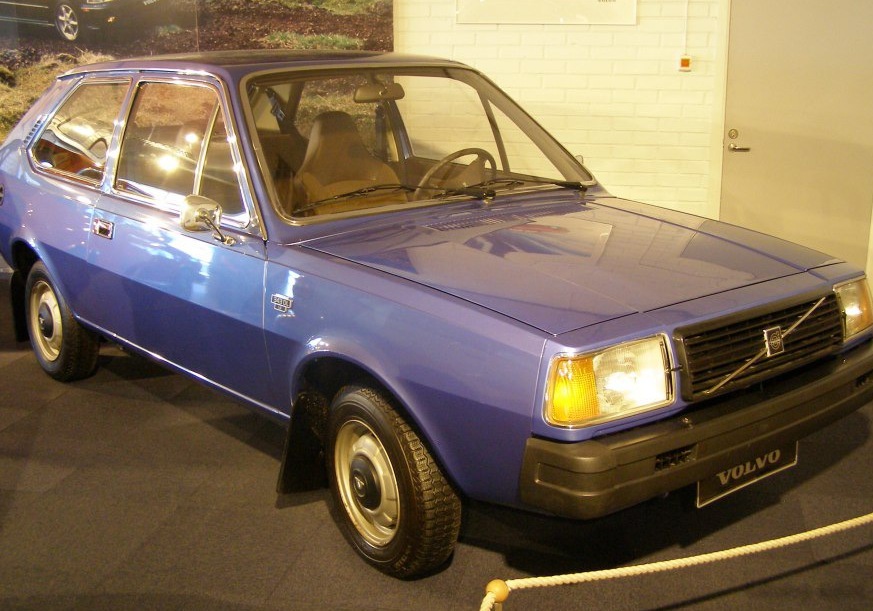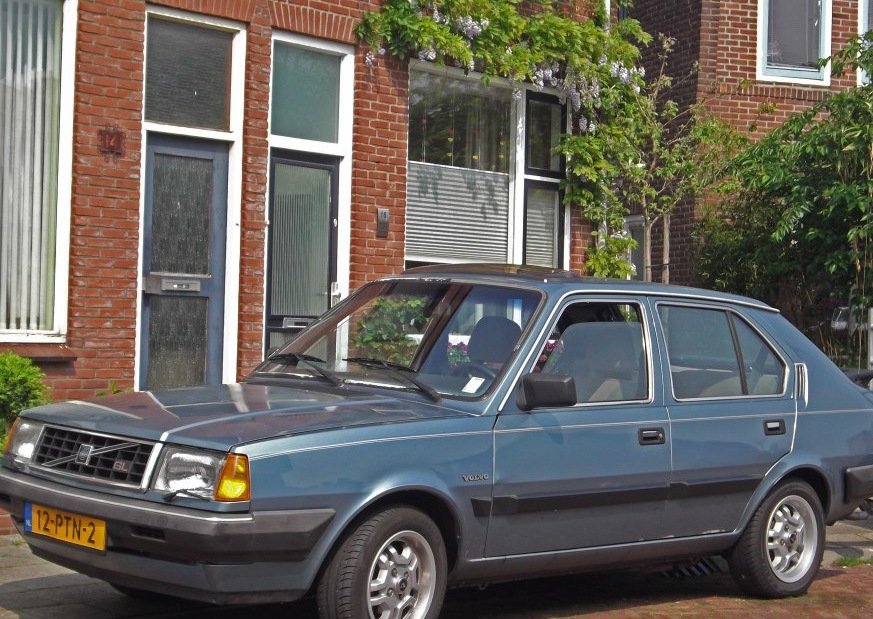
The Volvo 340 and 360 series, specifically the 344 model with the 1.7-liter engine producing 80 horsepower, represented Volvo’s entry into the compact hatchback market. Produced from 1985 to 1991, this variant played a crucial role in offering a more affordable and fuel-efficient option within the Volvo lineup, particularly in Europe where smaller cars were highly favored. While Volvo was known for its larger, more luxurious vehicles, the 340/360 aimed to capture a broader customer base. This particular 1.7-liter, 80 hp configuration served as the base model, offering a practical and reliable transportation solution.
Technical Specifications
| Brand | Volvo |
| Model | 340-360 |
| Generation | 340-360 (344) |
| Type (Engine) | 1.7 (80 Hp) |
| Start of production | 1985 |
| End of production | 1991 |
| Powertrain Architecture | Internal Combustion engine |
| Body type | Hatchback |
| Seats | 5 |
| Doors | 5 |
| Fuel Type | Petrol (Gasoline) |
| Power | 80 Hp |
| Engine Model/Code | B172K |
| Engine aspiration | Naturally aspirated engine |
| Engine oil capacity | 5 l (5.28 US qt | 4.4 UK qt) |
| Coolant capacity | 8 l (8.45 US qt | 7.04 UK qt) |
| Fuel tank capacity | 45 l (11.89 US gal | 9.9 UK gal) |
| Length | 4320 mm (170.08 in.) |
| Width | 1660 mm (65.35 in.) |
| Height | 1392 mm (54.8 in.) |
Powertrain & Engine Architecture
The heart of the 344 1.7 was the B172K engine, a 1.7-liter inline-four cylinder powerplant. This engine was a relatively simple design, featuring a cast iron block and an aluminum cylinder head. It utilized a single overhead camshaft (SOHC) valvetrain, operating two valves per cylinder. Fuel delivery was managed by a Bosch mechanical fuel injection system, a common setup for the time, offering a balance between efficiency and performance. The B172K produced 80 horsepower at 5,800 rpm and approximately 92 lb-ft of torque at 3,000 rpm. This engine was known for its durability and relatively straightforward maintenance requirements.
The 344 1.7 was typically paired with a four-speed automatic transmission. This transmission was chosen to provide ease of use and accessibility for a wider range of drivers, particularly those unfamiliar with manual gearboxes. While not known for its sporty performance, the automatic transmission offered smooth shifts and adequate acceleration for everyday driving. The gear ratios were optimized for fuel economy and comfortable cruising rather than rapid acceleration.
Driving Characteristics
The driving experience in the 344 1.7 Automatic was characterized by its practicality and ease of use. Acceleration was modest, with a 0-60 mph time estimated around 14-16 seconds. The automatic transmission contributed to a relaxed driving style, but also meant that the engine often operated at higher RPMs during acceleration, impacting fuel economy. Compared to the available five-speed manual transmission, the automatic version felt noticeably slower and less engaging. However, the automatic was preferred by many buyers who valued convenience over performance. The car’s handling was predictable and safe, but not particularly sporty. The suspension was tuned for comfort, absorbing bumps and providing a relatively smooth ride.
Equipment & Trim Levels
The 344 1.7 served as the entry-level model in the 340/360 range. As such, it came with a fairly basic level of equipment. Standard features typically included cloth upholstery, a simple dashboard layout with analog gauges, and manual windows and door locks. A two-speaker AM/FM radio was often included. Optional extras included a sunroof, upgraded upholstery, and a more sophisticated audio system. The interior was functional and durable, prioritizing practicality over luxury. The exterior trim was also relatively understated, with black plastic bumpers and simple steel wheels being common features.
Chassis & Braking
The 344 featured a front-engine, rear-wheel-drive layout, a somewhat unusual configuration for a compact hatchback of the era. The suspension consisted of MacPherson struts at the front and a solid axle with leaf springs at the rear. This setup provided a comfortable ride but limited handling precision. Braking was initially accomplished with front disc brakes and rear drum brakes. Later models saw the introduction of rear disc brakes on some trims. The braking system was adequate for the car’s weight and performance, but lacked the stopping power of more modern vehicles. Stabilizer bars were typically fitted to improve handling and reduce body roll.
Market Reception & Comparison
The 344 1.7 Automatic received mixed reviews from automotive critics. While praised for its reliability and fuel efficiency, it was often criticized for its lack of performance and somewhat dated design. Compared to other compact hatchbacks available at the time, such as the Volkswagen Golf or the Ford Escort, the Volvo 344 offered a more robust and durable build quality, but at the expense of driving excitement. The 1.7-liter engine was considered adequate for city driving, but struggled on highways or when carrying a full load of passengers. Fuel economy was reasonable for the time, averaging around 28-32 mpg. The higher-output 2.0-liter and 2.1-liter engines offered significantly improved performance, but came at a higher price point.
Legacy
The Volvo 340/360 series, including the 344 1.7, developed a reputation for exceptional durability and longevity. The B172K engine, while not particularly powerful, proved to be remarkably reliable, often exceeding 200,000 miles with proper maintenance. Today, these cars are relatively rare, but those that remain are often well-preserved and sought after by enthusiasts. The 344 1.7 Automatic represents a practical and affordable entry point into the world of classic Volvo ownership. While not a performance icon, it embodies Volvo’s commitment to safety, reliability, and durability. The simplicity of the powertrain makes it relatively easy to maintain and repair, contributing to its continued appeal among classic car enthusiasts.