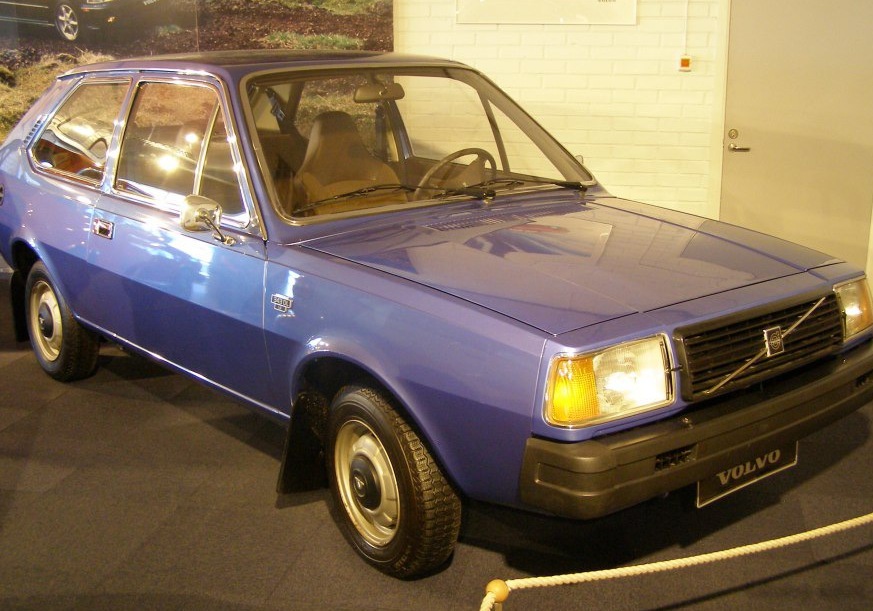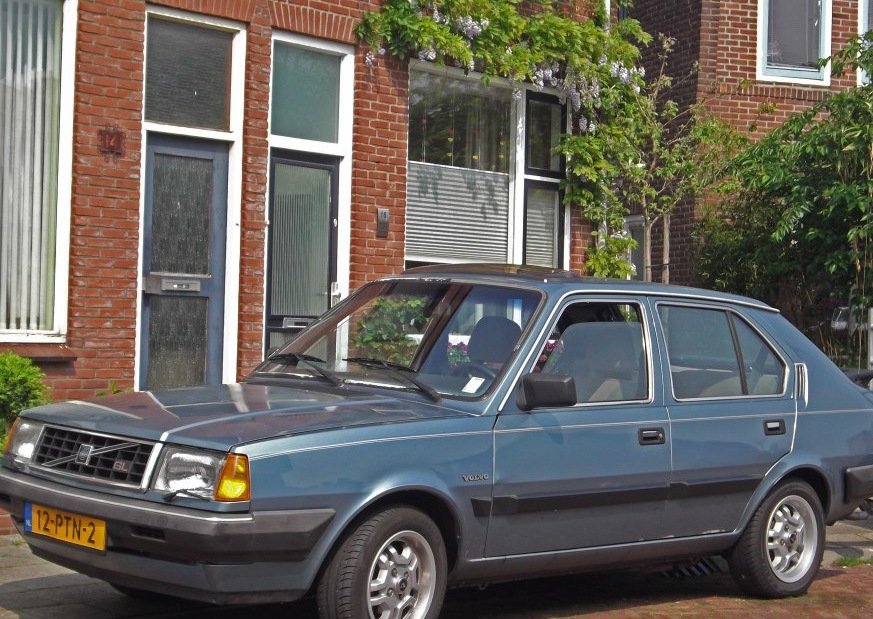
The Volvo 340 and 360 series, specifically the 344 model with the 2.0-liter (102 hp) engine, represented a significant departure for the Swedish automaker. Produced from 1984 to 1990, this variant occupied a crucial position in Volvo’s lineup as an entry-level offering, aimed at a broader, more budget-conscious market than their traditionally larger and more expensive vehicles. The 340/360 series, internally designated as the 340 platform, was Volvo’s first front-wheel-drive vehicle, marking a pivotal shift in their engineering philosophy. This particular 2.0-liter configuration, while not the most powerful in the range, was a popular choice for buyers prioritizing fuel economy and ease of driving.
Technical Specifications
| Brand | Volvo |
| Model | 340-360 |
| Generation | 340-360 (344) |
| Type (Engine) | 2.0 (102 Hp) |
| Start of production | 1984 |
| End of production | 1990 |
| Powertrain Architecture | Internal Combustion engine |
| Body type | Hatchback |
| Seats | 5 |
| Doors | 5 |
| Fuel Type | Petrol (Gasoline) |
| Power | 102 Hp |
| Engine Model/Code | B200K |
| Engine aspiration | Naturally aspirated engine |
| Engine oil capacity | 4.5 l (4.76 US qt | 3.96 UK qt) |
| Coolant capacity | 7 l (7.4 US qt | 6.16 UK qt) |
| Fuel tank capacity | 57 l (15.06 US gal | 12.54 UK gal) |
| Length | 4320 mm (170.08 in) |
| Width | 1660 mm (65.35 in) |
| Height | 1392 mm (54.8 in) |
Powertrain & Engine Architecture
The heart of the 344 2.0 was the B200K engine, a 1,986 cc (121.1 cu in) inline-four cylinder powerplant. This engine featured a cast iron block and an aluminum cylinder head, a common configuration for Volvo at the time. It utilized a Bosch K-Jetronic mechanical fuel injection system, known for its reliability and relatively simple design, though less efficient than later electronic fuel injection systems. The B200K employed a single overhead camshaft (SOHC) valvetrain with two valves per cylinder. The 102 horsepower output was achieved at 5,800 rpm, with peak torque of 130 lb-ft (176 Nm) arriving at 3,500 rpm. This engine was paired with a four-speed automatic transmission, a popular choice for buyers seeking convenience. The automatic transmission, while providing smooth shifts, did impact acceleration compared to the available five-speed manual.
Driving Characteristics
The 344 2.0 automatic offered a comfortable, if not particularly sporty, driving experience. Acceleration was adequate for everyday driving, with a 0-60 mph time estimated around 12-13 seconds. The automatic transmission’s gear ratios were geared towards fuel efficiency and smooth cruising rather than rapid acceleration. The relatively low horsepower and torque figures meant that overtaking maneuvers required careful planning. Compared to the later 360 GLT models with their more powerful engines, the 2.0 automatic felt noticeably slower. However, it provided a more relaxed driving experience, particularly in urban environments. The front-wheel-drive layout provided decent handling in most conditions, although it lacked the dynamic finesse of rear-wheel-drive competitors.
Equipment & Trim Levels
The 344 2.0 typically represented the base trim level within the 340/360 range. Standard equipment included cloth upholstery, a basic AM/FM radio, and manual windows and door locks. The interior was functional and durable, reflecting Volvo’s reputation for practicality. Optional extras included a sunroof, upgraded stereo systems, and power windows. The dashboard layout was simple and straightforward, prioritizing ease of use over aesthetic flair. Later models saw the introduction of minor interior refinements, such as improved seat fabrics and updated dashboard trim.
Chassis & Braking
The 344 2.0 featured an independent front suspension with MacPherson struts and a semi-independent rear suspension with a twist beam. This suspension setup provided a comfortable ride, although it wasn’t particularly sporty. The braking system consisted of disc brakes on the front wheels and drum brakes on the rear wheels. The drum brakes on the rear were a cost-saving measure, and contributed to a slightly longer stopping distance compared to models equipped with rear disc brakes. A stabilizer bar was fitted to the front suspension to reduce body roll during cornering. The steering was rack and pinion, providing reasonably precise control.
Market Reception & Comparison
The 344 2.0 automatic was generally well-received by critics as a practical and reliable family car. It was praised for its fuel efficiency, comfortable ride, and Volvo’s renowned safety features. However, it was often criticized for its relatively slow acceleration and somewhat dated interior. Compared to other entry-level hatchbacks of the time, such as the Ford Escort or Volkswagen Golf, the 344 2.0 offered a more robust build quality and a stronger emphasis on safety. Fuel economy was respectable for the era, averaging around 25-30 mpg in mixed driving conditions. Reliability was generally good, although the K-Jetronic fuel injection system could require occasional maintenance.
Legacy
The Volvo 340/360 series, including the 344 2.0 automatic, holds a significant place in Volvo’s history as their first foray into front-wheel drive. While not a performance icon, the 2.0 automatic powertrain proved to be remarkably durable and reliable. Today, well-maintained examples are sought after by enthusiasts and collectors. The B200K engine is known for its longevity, and parts availability remains relatively good. The 344 2.0 automatic represents a unique blend of Swedish practicality, durability, and affordability, making it a compelling classic car for those seeking a reliable and distinctive vehicle.