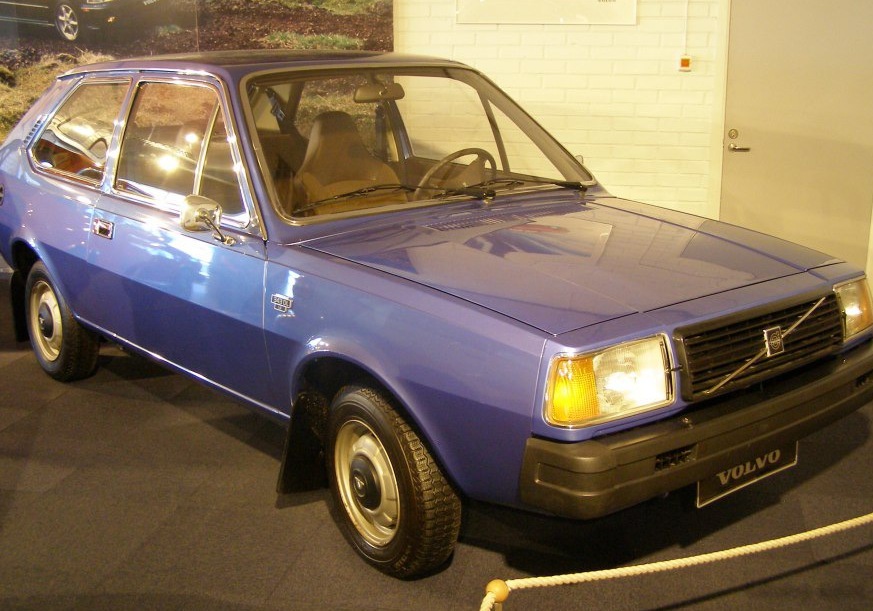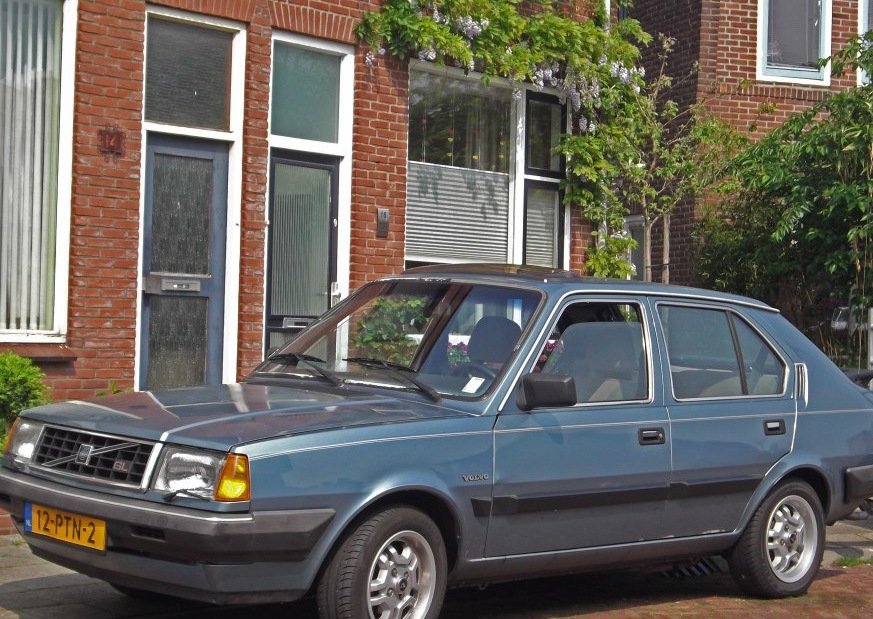
The Volvo 340 and 360 series, specifically the 344 model produced between 1984 and 1987 with the 2.0-liter (105 horsepower) engine, represented a significant departure for the Swedish automaker. This variant occupied a middle ground within the 340/360 lineup, offering a balance between affordability and performance. Introduced as a replacement for the aging 140 series, the 340/360 was Volvo’s first front-wheel-drive vehicle, marking a pivotal shift in their engineering philosophy. The 344, the initial five-door hatchback version, aimed to appeal to a broader market segment, particularly those seeking a practical and reliable family car. This particular 2.0-liter configuration was intended to provide adequate power for everyday driving while maintaining Volvo’s reputation for fuel efficiency and durability.
Technical Specifications
| Brand | Volvo |
| Model | 340-360 |
| Generation | 340-360 (344) |
| Type (Engine) | 2.0 (105 Hp) |
| Start of production | 1984 |
| End of production | 1987 |
| Powertrain Architecture | Internal Combustion engine |
| Body type | Hatchback |
| Seats | 5 |
| Doors | 5 |
| Fuel Type | Petrol (Gasoline) |
| Power | 105 Hp |
| Engine Model/Code | B200K |
| Engine aspiration | Naturally aspirated engine |
| Engine oil capacity | 4.5 l (4.76 US qt | 3.96 UK qt) |
| Coolant capacity | 7 l (7.4 US qt | 6.16 UK qt) |
| Fuel tank capacity | 57 l (15.06 US gal | 12.54 UK gal) |
| Length | 4320 mm (170.08 in.) |
| Width | 1660 mm (65.35 in.) |
| Height | 1392 mm (54.8 in.) |
Powertrain & Engine Architecture
The heart of the 1984-1987 Volvo 344 2.0 was the B200K engine, a 1986 cc (2.0 L) inline-four cylinder. This engine was a relatively simple design, featuring a cast iron block and an aluminum cylinder head. It utilized a Bosch K-Jetronic mechanical fuel injection system, a technology common during that era, known for its reliability and relatively precise fuel delivery. The B200K featured a single overhead camshaft (SOHC) valvetrain with eight valves (two per cylinder). While not particularly high-tech by modern standards, this configuration provided a good balance of power and efficiency. The engine produced 105 horsepower at 5200 rpm and 138 lb-ft of torque at 3000 rpm. The engine was typically paired with a four-speed automatic transmission, although a five-speed manual was also available. The automatic transmission, while providing ease of use, was not known for its sporty performance and contributed to slightly slower acceleration times compared to the manual version.
Driving Characteristics
The 344 2.0 with the automatic transmission offered a comfortable, if not particularly exhilarating, driving experience. Acceleration from 0 to 60 mph took around 12-13 seconds, which was adequate for the time but slower than the manual transmission variants or the later, more powerful 360 GLT models. The automatic transmission’s gear ratios were geared towards fuel economy and smooth cruising rather than rapid acceleration. The car felt stable and predictable in handling, thanks to its front-wheel-drive layout and relatively soft suspension tuning. Steering was light and easy, making it well-suited for city driving. The B200K engine delivered its power in a linear fashion, with usable torque available from low engine speeds. However, the engine could feel strained when pushed hard, particularly when climbing hills or overtaking at highway speeds. The automatic transmission sometimes exhibited a slight hesitation when downshifting, which could be noticeable during more spirited driving.
Equipment & Trim Levels
The 1984-1987 Volvo 344 2.0 typically came with a fairly basic level of standard equipment. Interior upholstery was usually cloth, available in a range of colors. The dashboard featured a straightforward layout with analog gauges for speed, fuel level, coolant temperature, and a clock. Power steering was often included, but air conditioning was typically an optional extra. Other available options included a sunroof, upgraded audio systems, and alloy wheels. The 2.0 model generally sat in the middle of the 340/360 range, offering more features than the base models but lacking the luxury appointments of the higher-end 360 GLT. The trim level was often simply identified as the “2.0” designation, with variations in interior color and optional equipment being the primary differentiators.
Chassis & Braking
The Volvo 344 featured a MacPherson strut front suspension and a twist-beam rear suspension. This setup provided a comfortable ride, but wasn’t particularly sporty. The front suspension included stabilizer bar, while the rear did not. Braking was initially accomplished with disc brakes at the front and drum brakes at the rear. Later models saw the introduction of rear disc brakes on some trims. The braking system was generally reliable and provided adequate stopping power for the car’s weight and performance. The car’s unladen weight was approximately 2,400 lbs, contributing to its relatively modest fuel consumption.
Market Reception & Comparison
The Volvo 340/360 series, including the 2.0 variant, was generally well-received by automotive critics for its safety, reliability, and practicality. However, the 2.0-liter engine with the automatic transmission was often criticized for its lack of performance. Compared to the manual transmission versions, the automatic was noticeably slower. Compared to the later 360 GLT models with their more powerful engines, the 2.0 felt underpowered. Fuel economy was a strong point, with the 2.0 automatic achieving around 22-26 mpg in combined driving. Reliability was also a key strength, with the B200K engine proving to be durable and long-lasting. The 340/360 series competed with other European hatchbacks of the time, such as the Volkswagen Golf and Ford Escort, but Volvo’s emphasis on safety and build quality set it apart.
Legacy
The Volvo 340/360 series, and the 344 2.0 in particular, holds a respectable place in automotive history as Volvo’s first foray into front-wheel drive. The B200K engine, while not a powerhouse, proved to be remarkably durable and is still found in running condition in many vehicles today. The car’s simple design and robust construction have contributed to its longevity. In the used car market, the 344 2.0 is often sought after by enthusiasts looking for a classic Volvo that is relatively affordable and easy to maintain. Parts availability is generally good, and the car’s straightforward mechanicals make it a popular choice for DIY mechanics. While not a performance icon, the 344 2.0 represents a significant chapter in Volvo’s history and remains a testament to the brand’s commitment to safety and reliability.