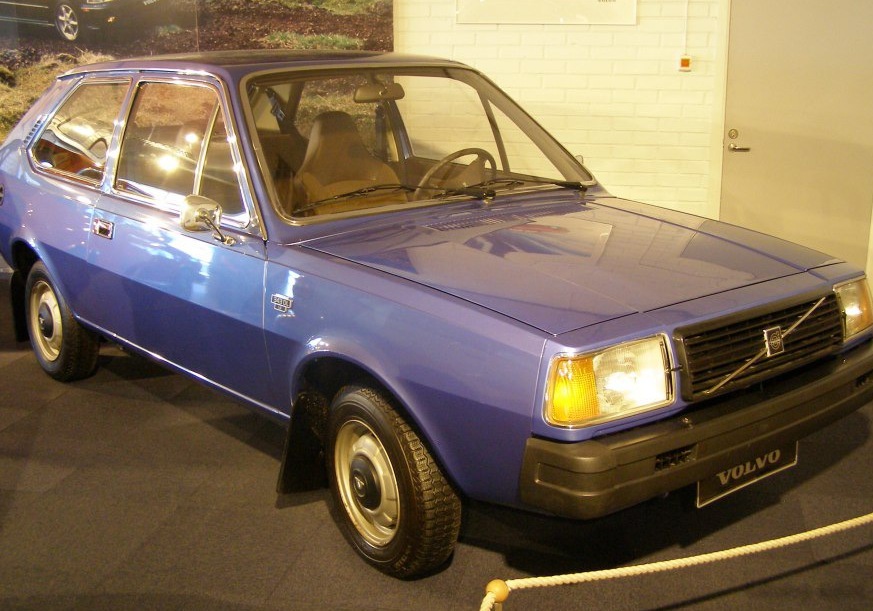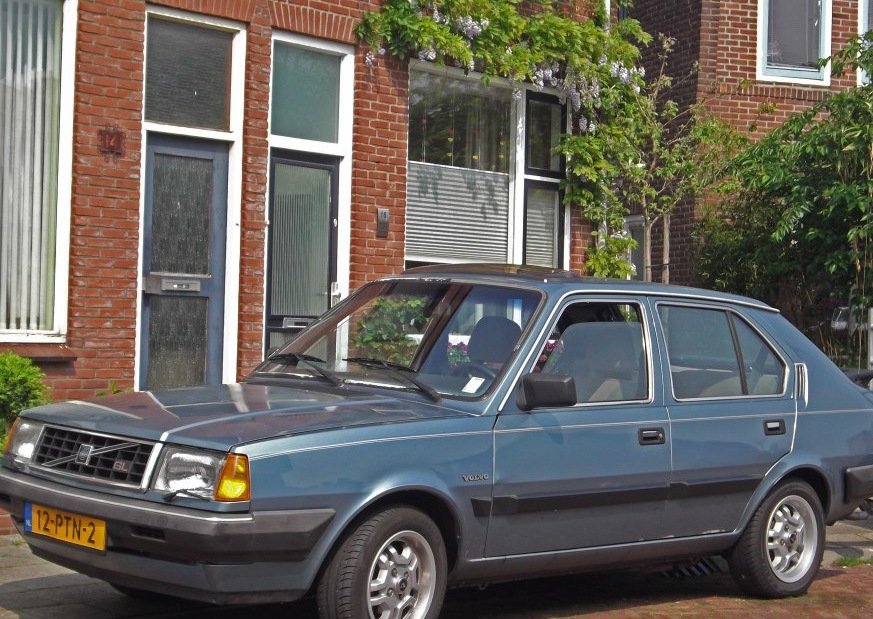
The Volvo 340 and 360 series, specifically the 344 variant equipped with the 2.0-liter (109 horsepower) engine, represented Volvo’s entry into the compact hatchback market. Produced from 1988 to 1989, this configuration occupied a middle ground within the 340/360 lineup, offering a balance between affordability and reasonable performance. It was a key part of Volvo’s strategy to appeal to a broader customer base, particularly in Europe, where smaller, fuel-efficient cars were gaining popularity. The 340/360 series as a whole was a significant departure for Volvo, traditionally known for larger, more luxurious vehicles.
Technical Specifications
| Brand | Volvo |
| Model | 340-360 |
| Generation | 340-360 (344) |
| Type (Engine) | 2.0 (109 Hp) |
| Start of production | 1988 |
| End of production | 1989 |
| Powertrain Architecture | Internal Combustion engine |
| Body type | Hatchback |
| Seats | 5 |
| Doors | 5 |
| Fuel Type | Petrol (Gasoline) |
| Power | 109 Hp |
| Engine Model/Code | B200F |
| Engine aspiration | Naturally aspirated engine |
| Engine oil capacity | 4.5 l (4.76 US qt | 3.96 UK qt) |
| Coolant capacity | 7 l (7.4 US qt | 6.16 UK qt) |
| Fuel tank capacity | 57 l (15.06 US gal | 12.54 UK gal) |
| Length | 4320 mm (170.08 in) |
| Width | 1660 mm (65.35 in) |
| Height | 1392 mm (54.8 in) |
Powertrain & Engine Architecture
The heart of the 344 2.0 was the B200F engine, a 1986 cc inline-four cylinder powerplant. This engine was a descendant of Volvo’s long-running ‘Redblock’ family, known for its robustness and relatively simple design. The B200F featured a cast iron block and an aluminum cylinder head. Fuel delivery was handled by Bosch mechanical fuel injection – a system chosen for its reliability and relative simplicity compared to emerging electronic fuel injection systems. The engine utilized a single overhead camshaft (SOHC) valvetrain, operating two valves per cylinder. The 109 horsepower output was achieved at 5800 rpm, with peak torque of 130 lb-ft at 3100 rpm. This engine was typically paired with a four-speed automatic transmission, although a five-speed manual was also available. The automatic transmission, while providing ease of use, was not known for its particularly quick shifts or sporty feel.
Driving Characteristics
The 344 2.0 with the automatic transmission offered a comfortable, if not particularly exhilarating, driving experience. Acceleration from 0 to 60 mph was estimated to be around 12-13 seconds. The automatic transmission’s gear ratios were geared towards fuel economy and smooth cruising rather than outright performance. Compared to the manual transmission version, the automatic noticeably reduced responsiveness. The higher-output versions of the 340/360, such as those with the 2.1-liter engine, offered significantly more power and a more engaging driving experience. However, the 2.0 automatic was well-suited for everyday commuting and general transportation, providing adequate power for most driving situations. The car’s front-wheel-drive layout contributed to predictable handling, although it lacked the dynamic finesse of some of its rear-wheel-drive predecessors.
Equipment & Trim Levels
The 344 2.0 typically came with a fairly basic level of equipment, reflecting its position as a more affordable model. Standard features generally included cloth upholstery, a basic AM/FM radio, and manual windows and door locks. Power steering was often an optional extra. Interior trim was functional and durable, prioritizing practicality over luxury. Optional extras could include a sunroof, upgraded audio systems, and alloy wheels. The dashboard layout was straightforward and easy to use, with clearly marked gauges and controls. The 344 2.0 was often seen as a practical family car, and its interior space was reasonably generous for its size.
Chassis & Braking
The 344 2.0 utilized a MacPherson strut front suspension and a solid axle rear suspension. The rear suspension setup was relatively simple and contributed to the car’s affordability. Braking was typically accomplished with disc brakes on the front wheels and drum brakes on the rear. The braking system was adequate for the car’s weight and performance, but it lacked the stopping power of more modern braking systems. A stabilizer bar was fitted to the front suspension to reduce body roll during cornering. The chassis was designed with safety in mind, incorporating Volvo’s renowned crumple zones and reinforced passenger compartment.
Market Reception & Comparison
The 344 2.0 automatic received mixed reviews from automotive critics. While praised for its reliability and fuel efficiency, it was often criticized for its lack of performance and somewhat dated design. Compared to other cars in its class, such as the Ford Escort or Opel Kadett, the 344 2.0 offered a more robust build quality and a reputation for safety. However, it was generally more expensive to purchase and maintain. Fuel economy was reasonable for the time, averaging around 25-30 mpg in mixed driving conditions. The 1.8L manual transmission version of the 340 offered better fuel economy and more engaging driving experience, making it a popular choice for those prioritizing performance and efficiency. The higher-spec 360 models, with their more luxurious interiors and additional features, appealed to buyers seeking a more refined experience.
Legacy
The Volvo 340/360 series, including the 344 2.0, has developed a loyal following among enthusiasts. The B200F engine is known for its durability and relatively simple maintenance requirements. While not a particularly high-performance engine, it is capable of lasting for many years with proper care. Today, well-maintained examples of the 344 2.0 can be found on the used car market, often at affordable prices. These cars are appreciated for their classic Volvo styling, robust construction, and reputation for safety. The 340/360 series represents a unique chapter in Volvo’s history, marking the company’s foray into the compact hatchback segment and demonstrating its commitment to safety and reliability.