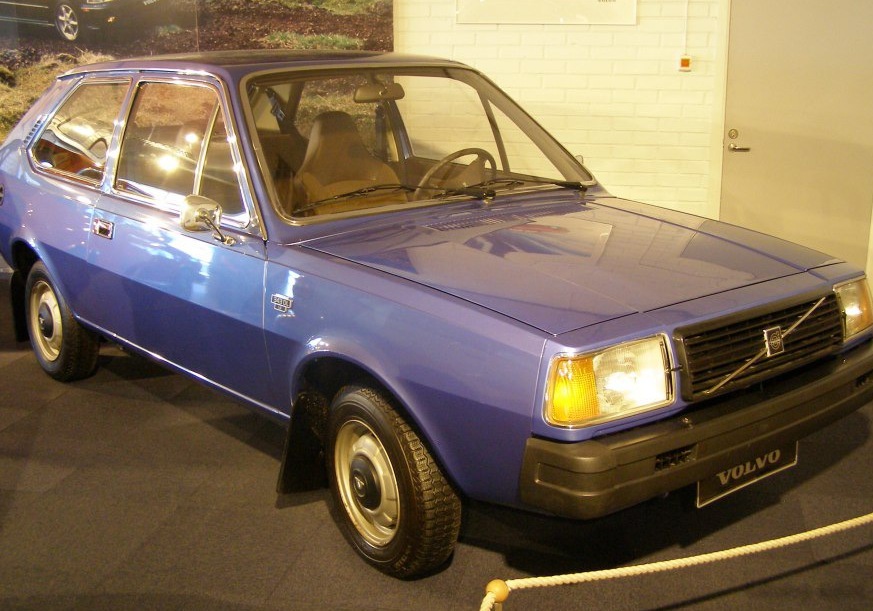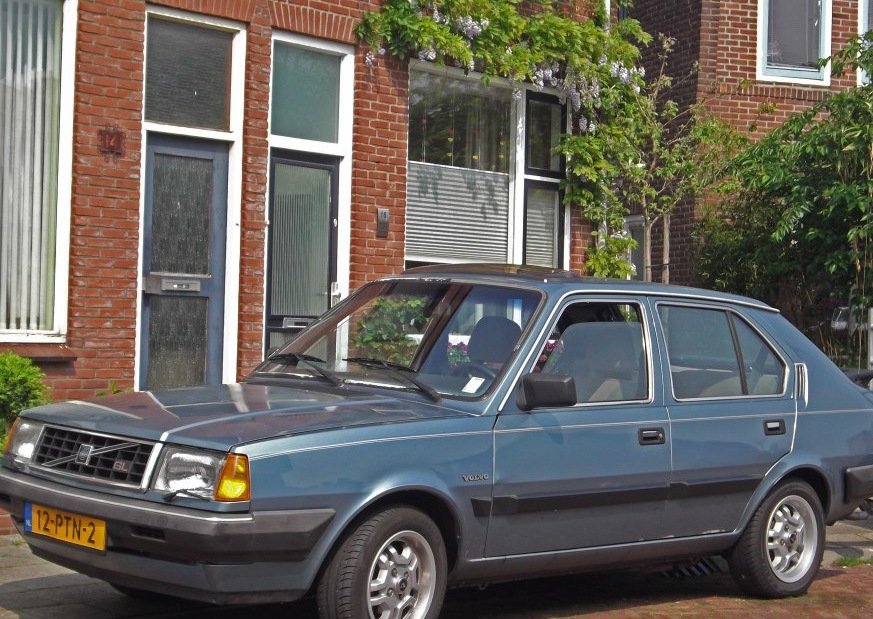
The Volvo 340 and 360 series, specifically the 344 model produced between 1987 and 1988 with the 2.0-liter (110 horsepower) engine, represented a significant departure for the Swedish automaker. This variant occupied a middle ground within the 340/360 lineup, offering a balance between affordability and performance. The 340 series, introduced in 1976, was Volvo’s first front-wheel-drive vehicle, a move away from their traditionally rear-wheel-drive layout. The 344, a four-door sedan, and the 345, a five-door wagon, were initially designed to be a more compact and economical offering, particularly aimed at the European market, but found a niche audience in the United States as well. This 2.0-liter version aimed to provide a more refined driving experience than the base 1.4-liter engine, while remaining more accessible than the later, more powerful 360 GLT models.
Technical Specifications
| Brand | Volvo |
| Model | 340-360 |
| Generation | 340-360 (344) |
| Type (Engine) | 2.0 (110 Hp) |
| Start of production | 1987 |
| End of production | 1988 |
| Powertrain Architecture | Internal Combustion engine |
| Body type | Hatchback |
| Seats | 5 |
| Doors | 5 |
| Fuel Type | Petrol (Gasoline) |
| Power | 110 Hp |
| Engine Model/Code | B200EA |
| Engine aspiration | Naturally aspirated engine |
| Engine oil capacity | 4.5 l (4.76 US qt | 3.96 UK qt) |
| Coolant capacity | 7 l (7.4 US qt | 6.16 UK qt) |
| Fuel tank capacity | 57 l (15.06 US gal | 12.54 UK gal) |
| Length | 4320 mm (170.08 in) |
| Width | 1660 mm (65.35 in) |
| Height | 1392 mm (54.8 in) |
Powertrain & Engine Architecture
The heart of this 344 variant is the B200EA engine, a 1986cc inline-four cylinder powerplant. This engine utilized a cast iron block and an aluminum cylinder head, a common configuration for Volvo at the time. The B200EA featured Bosch K-Jetronic mechanical fuel injection, a system known for its reliability and relatively simple maintenance compared to later electronic fuel injection systems. The engine employed a single overhead camshaft (SOHC) valvetrain with two valves per cylinder. While not a particularly high-revving engine, it produced a respectable 110 horsepower at approximately 5800 rpm and 107 lb-ft of torque at 3100 rpm. This power was delivered to the front wheels through a four-speed automatic transmission, a popular choice for buyers prioritizing ease of use over outright performance. The automatic transmission, while smooth, wasn’t known for its particularly quick shifts or fuel efficiency.
Driving Characteristics
The 110 hp 2.0-liter automatic 344 offered a comfortable, if not particularly sporty, driving experience. Acceleration was adequate for everyday driving, with a 0-60 mph time estimated around 12-13 seconds. The automatic transmission’s gear ratios were geared towards fuel economy and smooth cruising rather than rapid acceleration. Compared to the five-speed manual transmission available on other 340/360 models, the automatic version felt noticeably slower, especially during overtaking maneuvers. The suspension, consisting of MacPherson struts in the front and a twist-beam axle in the rear, provided a reasonably comfortable ride, absorbing bumps and imperfections in the road well. However, it wasn’t particularly engaging for enthusiastic drivers. The steering was light and easy, making it maneuverable in city traffic, but lacked the feedback desired by those seeking a more connected driving experience.
Equipment & Trim Levels
The 1987-1988 Volvo 344 2.0 automatic typically came with a fairly basic level of equipment, reflecting its position as a mid-range offering. Standard features generally included cloth upholstery, a basic AM/FM radio, and manual windows and door locks. Power steering was often included, but air conditioning was typically an optional extra. The interior design was functional and durable, prioritizing practicality over luxury. Optional extras included a sunroof, upgraded stereo systems, and metallic paint finishes. The dashboard layout was straightforward and easy to use, with clearly labeled controls. The 344’s interior space was relatively generous for a compact car, offering comfortable seating for five passengers.
Chassis & Braking
The Volvo 344 featured a relatively simple chassis design. The front suspension utilized MacPherson struts with stabilizer bar, while the rear employed a twist-beam axle. Braking duties were handled by disc brakes in the front and drum brakes in the rear. The braking system was adequate for normal driving conditions, but lacked the stopping power of more modern vehicles. The 344’s unibody construction provided a good level of structural rigidity, contributing to its safe and stable handling characteristics. The relatively lightweight construction of the 344, compared to larger Volvo models, helped to offset the engine’s modest power output.
Market Reception & Comparison
The 2.0-liter automatic 344 received generally positive reviews from automotive critics. It was praised for its reliability, safety, and comfortable ride. However, it was often criticized for its relatively slow acceleration and uninspiring handling. Compared to the base 1.4-liter version, the 2.0-liter engine provided a noticeable improvement in performance, making it a more enjoyable car to drive. However, the more powerful 360 GLT models, with their larger engines and sportier suspension, offered a significantly more engaging driving experience. Fuel economy was reasonable for the time, averaging around 22-26 mpg in mixed driving conditions. The 344’s reputation for durability and safety contributed to its strong resale value.
Legacy
The Volvo 340/360 series, including the 2.0-liter automatic variant, holds a special place in automotive history as Volvo’s first foray into front-wheel drive. The B200 engine family proved to be remarkably durable and reliable, with many examples still on the road today. While not a particularly collectible car, the 344 is appreciated by enthusiasts for its simplicity, practicality, and classic Volvo styling. The automatic transmission, while not the most desirable configuration among performance enthusiasts, remains relatively reliable with proper maintenance. In the used car market, these models are often sought after as affordable and dependable transportation, particularly by those seeking a classic Volvo experience. The 344’s influence can be seen in subsequent Volvo models, which continued to embrace front-wheel drive and prioritize safety and durability.