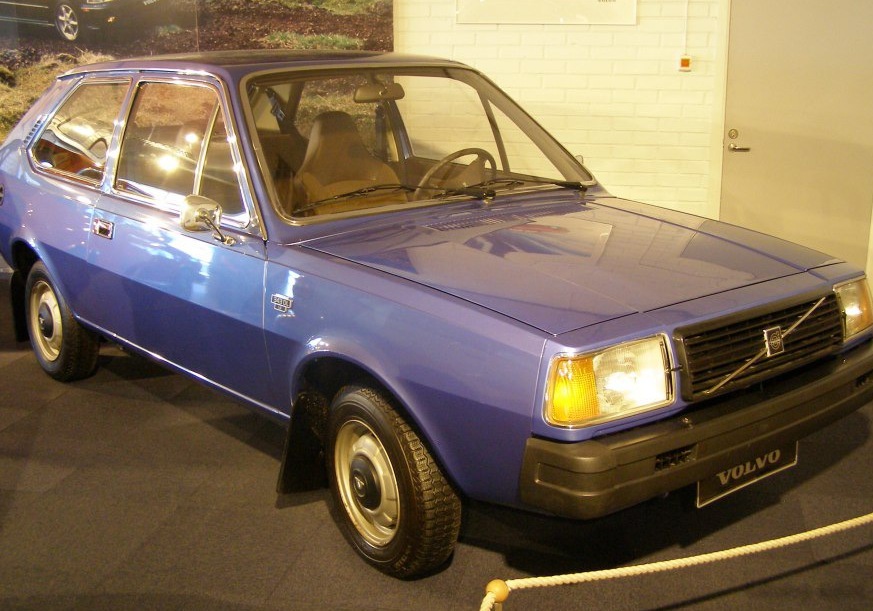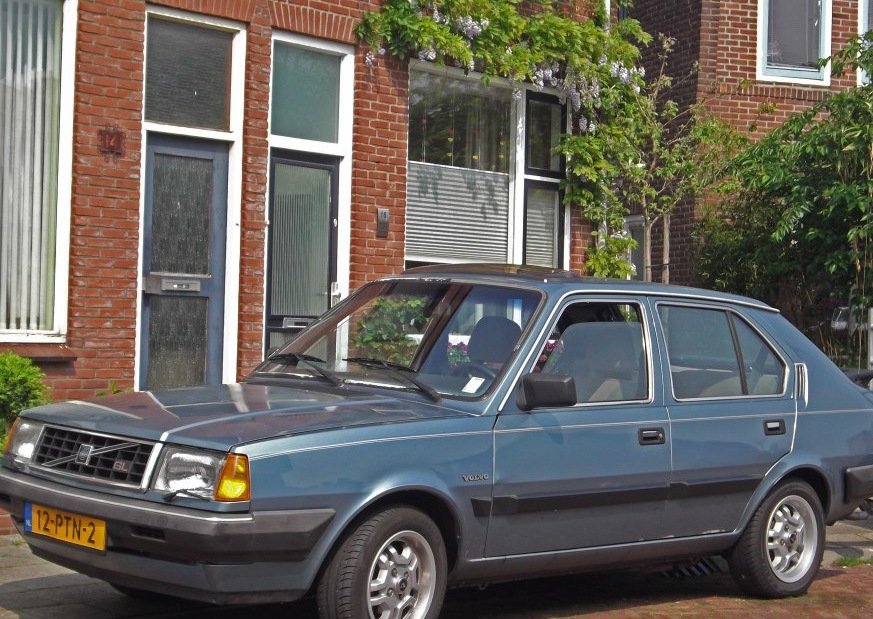
The Volvo 340 and 360 series, specifically the 344 model produced between 1986 and 1988 with the 2.0-liter (112 hp) engine, represented a significant departure for the Swedish automaker. This front-wheel-drive hatchback was Volvo’s first venture away from traditional rear-wheel-drive layouts, and aimed to offer a more compact and fuel-efficient alternative in a market increasingly demanding smaller cars. The 344, as the five-door hatchback variant, was a key component of this new direction, positioned as a practical and safe family vehicle. It was built to compete with European and emerging Japanese rivals in the compact class.
Technical Specifications
| Brand | Volvo |
| Model | 340-360 |
| Generation | 340-360 (344) |
| Type (Engine) | 2.0 (112 Hp) |
| Start of production | 1986 |
| End of production | 1988 |
| Powertrain Architecture | Internal Combustion engine |
| Body type | Hatchback |
| Seats | 5 |
| Doors | 5 |
| Fuel Type | Petrol (Gasoline) |
| Power | 112 Hp |
| Engine Model/Code | B200EA |
| Engine aspiration | Naturally aspirated engine |
| Engine oil capacity | 4.5 l (4.76 US qt | 3.96 UK qt) |
| Coolant capacity | 7 l (7.4 US qt | 6.16 UK qt) |
| Fuel tank capacity | 57 l (15.06 US gal | 12.54 UK gal) |
| Length | 4320 mm (170.08 in) |
| Width | 1660 mm (65.35 in) |
| Height | 1392 mm (54.8 in) |
Powertrain & Engine Architecture
The heart of the 1986-1988 Volvo 344 2.0 was the B200EA engine, a 1986cc inline-four cylinder powerplant. This engine was a significant evolution from earlier Volvo designs, incorporating a Bosch K-Jetronic fuel injection system. The K-Jetronic system, while mechanically complex, was known for its reliability and relatively clean emissions for its time. The engine featured a single overhead camshaft (SOHC) valvetrain, operating two valves per cylinder. The B200EA produced 112 horsepower and approximately 109 lb-ft of torque. This power was delivered to the front wheels through a four-speed automatic transmission, a common pairing for this trim level. The automatic transmission was chosen to appeal to buyers prioritizing ease of use over outright performance. The engine block was cast iron, contributing to its durability, while the cylinder head was aluminum, helping to reduce weight. The B200EA was designed with a relatively high compression ratio for the era, contributing to its efficiency and power output. The engine’s intake manifold was designed to optimize airflow, further enhancing performance.
Driving Characteristics
The 344 2.0 with the automatic transmission offered a comfortable, if not particularly sporty, driving experience. Acceleration was adequate for everyday driving, with a 0-60 mph time estimated around 12-13 seconds. The four-speed automatic transmission featured relatively widely spaced gear ratios, prioritizing fuel economy over rapid acceleration. Compared to the five-speed manual version of the 2.0, the automatic suffered a noticeable performance deficit. The manual transmission allowed for better control and quicker acceleration, appealing to drivers who enjoyed a more engaging driving experience. However, the automatic provided a smoother and more convenient driving experience, particularly in urban traffic. The front-wheel-drive layout provided decent handling in most conditions, although it lacked the dynamic finesse of some contemporary rear-wheel-drive competitors. Steering was relatively light, making it easy to maneuver in tight spaces. The suspension absorbed bumps reasonably well, providing a comfortable ride on most road surfaces. The automatic transmission’s shift points were calibrated for smooth transitions, minimizing harshness during acceleration.
Equipment & Trim Levels
The 344 2.0 automatic typically came with a reasonable level of standard equipment. This included cloth upholstery, a basic AM/FM radio, and manual windows and door locks. Power steering was often included, but air conditioning was frequently an optional extra. Interior trim was generally functional and durable, reflecting Volvo’s reputation for practicality. Optional extras included a sunroof, upgraded audio systems, and metallic paint finishes. The 344 2.0 automatic was positioned as a mid-range trim level within the 340/360 lineup. It offered a step up in terms of engine power and refinement compared to the base 1.4-liter models, but lacked the luxury features found on the higher-end 360 GLT. The GLT models typically featured upgraded interior materials, alloy wheels, and additional convenience features. The 344 2.0 automatic aimed to provide a balance between affordability and comfort.
Chassis & Braking
The Volvo 344 featured an independent front suspension with MacPherson struts and a semi-independent rear suspension with a twist beam. This suspension setup provided a comfortable ride, although it wasn’t particularly sporty. Braking was initially accomplished with front disc brakes and rear drum brakes. Later models often received rear disc brakes as standard equipment, improving stopping performance. The braking system was hydraulically assisted, providing adequate stopping power for the vehicle’s weight and performance. Stabilizer bars were fitted to both the front and rear axles, helping to reduce body roll during cornering. The chassis was designed with safety in mind, incorporating crumple zones and a reinforced passenger compartment. The use of high-strength steel in key structural areas contributed to the vehicle’s overall rigidity and crashworthiness. The relatively long wheelbase for a compact car also enhanced stability.
Market Reception & Comparison
The Volvo 344 2.0 automatic received generally positive reviews from automotive critics. It was praised for its safety, practicality, and durability. However, some critics noted its relatively modest performance and somewhat dated interior design. Compared to other trims in the 340/360 lineup, the 2.0 automatic offered a good balance of performance and fuel economy. The 1.4-liter models were more fuel-efficient but lacked sufficient power for highway driving, while the higher-output 360 GLT offered more performance but at a higher price point. Fuel economy for the 2.0 automatic was typically in the range of 22-28 mpg, depending on driving conditions. Reliability was generally good, although the K-Jetronic fuel injection system could require occasional maintenance. Competitors such as the Volkswagen Golf and Ford Escort offered similar levels of practicality and fuel economy, but the Volvo 344 was often perceived as being safer and more durable.
Legacy
The Volvo 340/360 series, including the 344 2.0 automatic, played a crucial role in Volvo’s transition to front-wheel-drive. While not a sales sensation, it established Volvo as a competitor in the compact car segment. The B200 engine family proved to be remarkably durable, and many examples are still on the road today. In the used car market, the 344 2.0 automatic is often sought after by enthusiasts who appreciate its simplicity, reliability, and classic Volvo styling. Parts availability is generally good, making it a relatively easy car to maintain. The 344 represents a unique chapter in Volvo’s history, marking a departure from tradition while upholding the brand’s commitment to safety and durability. The car’s robust construction and relatively simple mechanicals have contributed to its longevity, making it a popular choice for restoration projects and classic car enthusiasts. It remains a testament to Volvo’s engineering prowess and dedication to building safe and reliable vehicles.