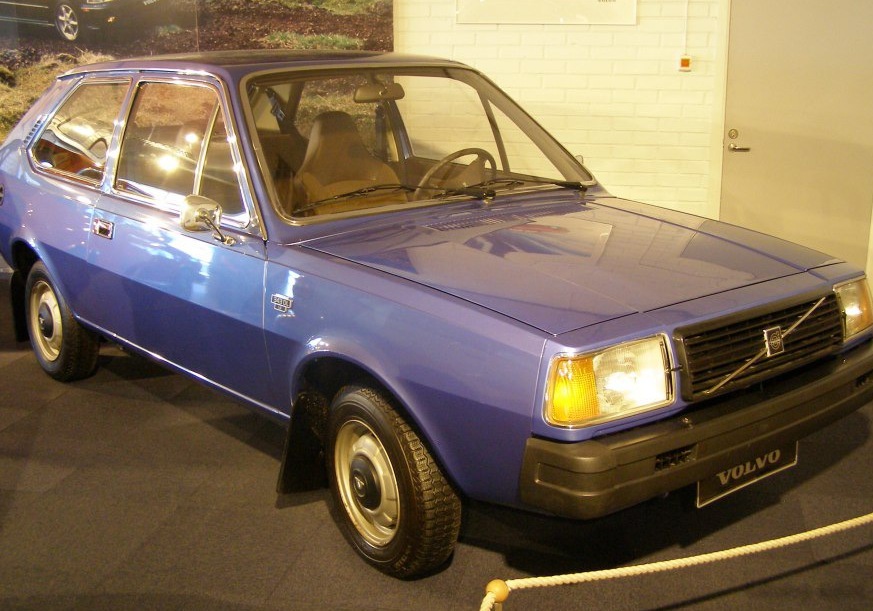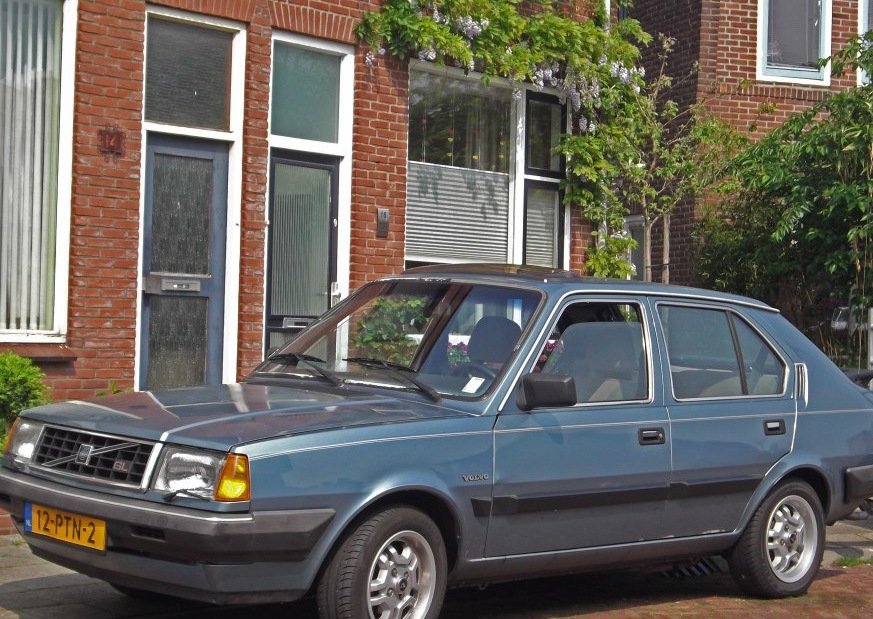
The Volvo 340 and 360 series, specifically the 344 model produced between 1984 and 1986 with the 2.0-liter (B200E) engine producing 115 horsepower, represented a significant departure for the Swedish automaker. This variant occupied a middle ground within the 340/360 lineup, offering a balance between affordability and performance. The 340 series, introduced in 1976, was Volvo’s first front-wheel-drive vehicle, a move away from their traditionally rear-wheel-drive layout. The 344, a four-door sedan, was followed by the 345 wagon and the later 360 models which featured minor styling updates. This particular 2.0-liter version aimed to provide a more refined driving experience than the base 1.4-liter engine, while remaining more accessible than the later, more powerful GLT trims.
Technical Specifications
| Brand | Volvo |
| Model | 340-360 |
| Generation | 340-360 (344) |
| Type (Engine) | 2.0 (115 Hp) |
| Start of production | 1984 |
| End of production | 1986 |
| Powertrain Architecture | Internal Combustion engine |
| Body type | Hatchback |
| Seats | 5 |
| Doors | 5 |
| Fuel Type | Petrol (Gasoline) |
| Power | 115 Hp |
| Engine Model/Code | B200E |
| Engine aspiration | Naturally aspirated engine |
| Engine oil capacity | 4.5 l (4.76 US qt | 3.96 UK qt) |
| Coolant capacity | 7 l (7.4 US qt | 6.16 UK qt) |
| Fuel tank capacity | 57 l (15.06 US gal | 12.54 UK gal) |
| Length | 4320 mm (170.08 in) |
| Width | 1660 mm (65.35 in) |
| Height | 1392 mm (54.8 in) |
Powertrain & Engine Architecture
The heart of this 344 variant is the B200E engine, a 1986cc inline-four cylinder powerplant. This engine utilized a Bosch K-Jetronic fuel injection system, a mechanical system known for its reliability and relatively simple design. The B200E featured a single overhead camshaft (SOHC) valvetrain operating two valves per cylinder. While not a particularly high-revving engine, it delivered a respectable 115 horsepower at approximately 5,800 rpm and 109 lb-ft of torque at 3,100 rpm. The engine was paired with a four-speed automatic transmission, a common choice for buyers prioritizing ease of use over outright performance. This automatic transmission, while smooth in operation, wasn’t known for its particularly quick shifts or fuel efficiency compared to the available five-speed manual.
Driving Characteristics
The 115 hp and automatic transmission combination resulted in a driving experience geared towards comfortable cruising rather than spirited acceleration. Acceleration from 0 to 60 mph was estimated to be around 11-12 seconds, which was adequate for the time but noticeably slower than the manual transmission versions or the later GLT models with more powerful engines. The automatic transmission’s gear ratios were optimized for fuel economy and smooth transitions, but this came at the expense of responsiveness. The front-wheel-drive layout provided decent handling in most conditions, but the relatively soft suspension tuning prioritized ride comfort over sharp cornering. Compared to the manual transmission 2.0-liter, the automatic version felt less engaging and required more planning when overtaking or merging onto highways.
Equipment & Trim Levels
The 1984-1986 Volvo 344 2.0 with automatic transmission typically came equipped with a fairly basic level of standard features. Interior upholstery was generally cloth, with a durable and practical design. The dashboard layout was functional and straightforward, featuring analog gauges for speed, fuel level, coolant temperature, and a clock. Power steering was often included, but air conditioning was typically an optional extra. Other available options included a sunroof, upgraded audio systems, and different wheel covers. This trim level was positioned as a step up from the base models, offering a more comfortable and refined experience without the added cost of the GLT package.
Chassis & Braking
The Volvo 340/360 series utilized a MacPherson strut front suspension and a solid axle rear suspension. The suspension was tuned for a comfortable ride, absorbing bumps and imperfections in the road effectively. Braking on the 344 2.0 typically consisted of disc brakes on the front wheels and drum brakes on the rear. While adequate for everyday driving, the rear drum brakes were a point of criticism compared to the all-disc brake setups found on some of the higher-spec models. The car’s relatively light weight helped to compensate for the less powerful braking system. Stabilizer bars were included, but their thickness varied depending on the specific configuration and optional equipment.
Market Reception & Comparison
The Volvo 344 2.0 with automatic transmission received mixed reviews. Critics praised its reliability, safety features (a hallmark of Volvo), and comfortable ride. However, the automatic transmission was often criticized for its sluggish performance and lack of responsiveness. Compared to the five-speed manual version, the automatic offered lower fuel economy and slower acceleration. Against competitors like the Ford Escort or Chevrolet Cavalier, the Volvo 344 offered a more sophisticated and durable build quality, but at a higher price point. The 2.0-liter engine provided a noticeable improvement in performance over the base 1.4-liter, making it a popular choice for buyers who wanted a bit more power without the expense of the GLT model.
Legacy
The Volvo 340/360 series, including the 2.0-liter automatic variant, has developed a loyal following among enthusiasts. The B200E engine is known for its durability and relatively simple maintenance requirements. While not a high-performance engine, it is capable of lasting for many miles with proper care. Today, these cars are relatively affordable to purchase and maintain, making them a popular choice for classic car enthusiasts and those seeking a reliable and practical vintage vehicle. The automatic transmission, while not the most desirable configuration among performance-minded drivers, remains a functional and reliable unit. The 344 2.0 automatic represents a unique blend of Swedish engineering, practicality, and affordability, cementing its place in automotive history.