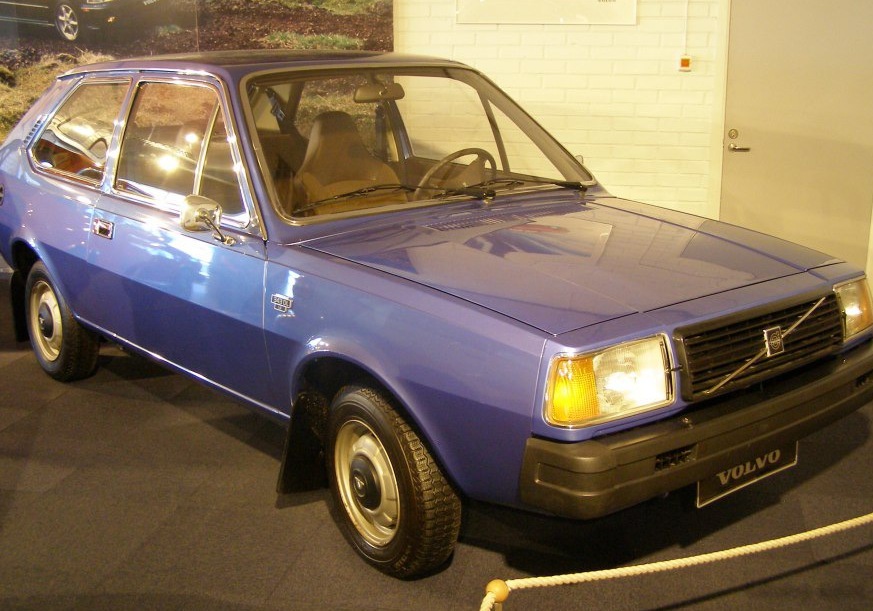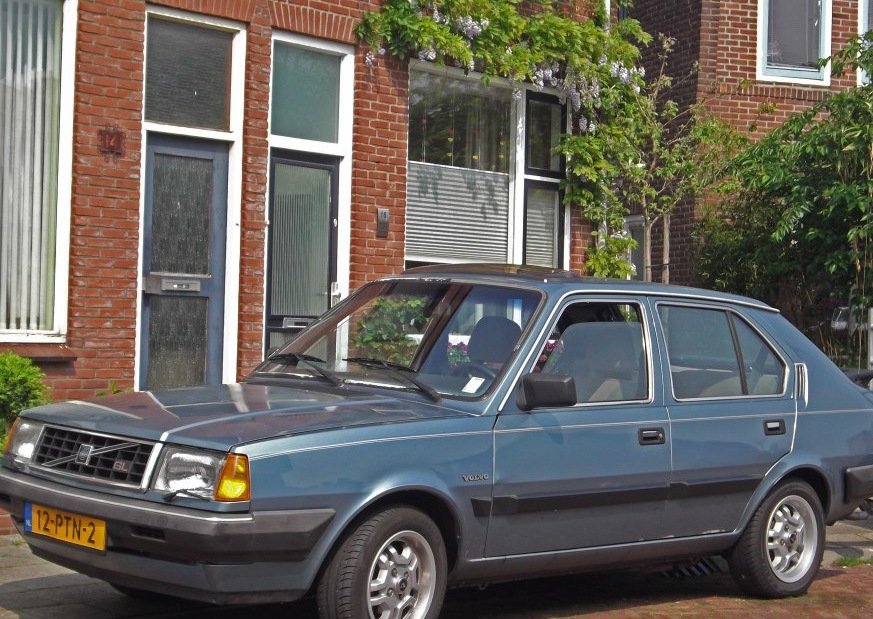
The Volvo 340 and 360 series, specifically the 344 model with the 2.0-liter engine producing 92 horsepower, represented a significant departure for the Swedish automaker. Produced from 1983 to 1984, this variant occupied an important position as the entry-level offering in the 340/360 range, aimed at providing a practical and economical family vehicle. It was built on Volvo’s new (at the time) front-wheel-drive platform, a move away from the company’s traditional rear-wheel-drive layout. This model was a crucial step for Volvo in adapting to changing market demands and competing with other European and Japanese manufacturers in the compact car segment.
Technical Specifications
| Brand | Volvo |
| Model | 340-360 |
| Generation | 340-360 (344) |
| Type (Engine) | 2.0 (92 Hp) |
| Start of production | 1983 |
| End of production | 1984 |
| Powertrain Architecture | Internal Combustion engine |
| Body type | Hatchback |
| Seats | 5 |
| Doors | 5 |
| Fuel Type | Petrol (Gasoline) |
| Power | 92 Hp |
| Engine Model/Code | B19A |
| Engine aspiration | Naturally aspirated engine |
| Engine oil capacity | 4.5 l (4.76 US qt | 3.96 UK qt) |
| Coolant capacity | 7 l (7.4 US qt | 6.16 UK qt) |
| Fuel tank capacity | 57 l (15.06 US gal | 12.54 UK gal) |
| Length | 4320 mm (170.08 in.) |
| Width | 1660 mm (65.35 in.) |
| Height | 1392 mm (54.8 in.) |
Powertrain & Engine Architecture
The heart of the 344 2.0 was the B19A engine, a 1986 cc (1.986 liters) inline-four cylinder powerplant. This engine was a relatively simple design, featuring a cast iron block and an aluminum cylinder head. It utilized a single overhead camshaft (SOHC) valvetrain, operating two valves per cylinder. Fuel delivery was managed by a Bosch mechanical fuel injection system, a common setup for the era. While not as sophisticated as later electronic fuel injection systems, it provided reliable and reasonably efficient operation. The B19A produced 92 horsepower at 5,200 rpm and 104 lb-ft of torque at 3,000 rpm. This engine was mated to a three-speed automatic transmission, a popular choice for buyers prioritizing ease of use over outright performance. The transmission was a conventional hydraulic automatic, known for its durability but not its responsiveness.
Driving Characteristics
The 344 2.0 Automatic offered a comfortable, if not particularly exciting, driving experience. The automatic transmission, while smooth, did detract from the engine’s available power. Acceleration was adequate for everyday driving, but overtaking maneuvers required careful planning. The three-speed automatic’s gear ratios were geared towards fuel economy rather than spirited performance. Compared to the five-speed manual version of the 2.0-liter engine, the automatic variant felt noticeably slower. The manual transmission allowed the engine to rev more freely and provided a more engaging driving experience. However, the automatic appealed to a broader audience, particularly those who preferred the convenience of not having to shift gears in city traffic. The front-wheel-drive layout provided decent handling, although it lacked the precision of rear-wheel-drive cars.
Equipment & Trim Levels
The 344 2.0 Automatic typically came with a fairly basic level of equipment, reflecting its position as the entry-level model. Standard features included cloth upholstery, a basic AM/FM radio, and manual windows and door locks. Power steering was often an optional extra, as was air conditioning. Interior trim was functional and durable, prioritizing practicality over luxury. The dashboard layout was simple and straightforward, with clearly labeled controls. Optional extras included a sunroof, upgraded audio systems, and metallic paint finishes. The overall interior ambiance was typical of European cars of the early 1980s – functional, well-built, but not overly stylish.
Chassis & Braking
The 344’s chassis featured independent front suspension with MacPherson struts and a twist-beam rear axle. This suspension setup provided a comfortable ride, although it wasn’t particularly sporty. The front brakes were ventilated discs, while the rear brakes were drums. This configuration was common for cars in this price range at the time. The braking system was adequate for normal driving conditions, but it lacked the stopping power of more modern braking systems. A stabilizer bar was fitted to the front suspension to reduce body roll during cornering. The overall chassis design prioritized safety and durability over outright performance.
Market Reception & Comparison
The 344 2.0 Automatic was generally well-received by critics as a practical and reliable family car. However, its performance was often criticized as being underwhelming, particularly compared to some of its competitors. Fuel economy was a strong point, with the 2.0-liter engine achieving around 25-30 mpg in mixed driving conditions. Compared to the more powerful 360 GLT models, the 344 2.0 offered significantly less performance but at a lower price point. The 360 GLT, with its fuel injection and higher compression ratio, produced around 125 horsepower, making it a much more engaging driver’s car. The 344 2.0’s main appeal lay in its affordability and practicality.
Legacy
The Volvo 340/360 series, including the 344 2.0 Automatic, is remembered as a solid and reliable car. The B19A engine is known for its durability and relatively simple maintenance requirements. While not a particularly exciting car, it provided years of dependable service for many owners. Today, these cars are becoming increasingly collectible, particularly well-maintained examples. The 344 2.0 Automatic, while not the most sought-after variant, represents an affordable entry point into the world of classic Volvo ownership. Parts availability is generally good, and the car’s simple mechanical design makes it relatively easy to maintain and repair. The 344 2.0 Automatic stands as a testament to Volvo’s commitment to safety, durability, and practicality.