
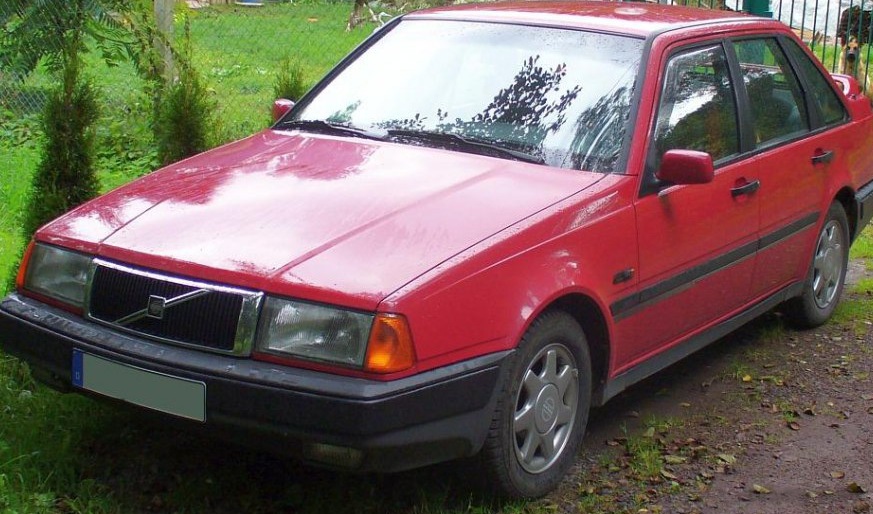
The Volvo 440 K, specifically the 1.7-liter 95 horsepower variant produced between 1987 and 1989, represents a pivotal, though often overlooked, entry in Volvo’s history. This model, and its closely related 445 estate version, marked Volvo’s first foray into front-wheel drive, a significant departure from the company’s traditionally rear-wheel drive layout. The 440 series (including the 440 K and 445) was intended to modernize Volvo’s offerings and appeal to a broader, more cost-conscious market segment, particularly in Europe. The “K” designation denoted the sedan body style, while the 445 represented the wagon. This particular 1.7L engine and automatic transmission combination served as the entry-level offering, prioritizing affordability and ease of use over outright performance.
Technical Specifications
| Brand | Volvo |
| Model | 440 K |
| Generation | 440 K (445) |
| Type (Engine) | 1.7 (95 Hp) |
| Start of Production | 1987 |
| End of Production | 1989 |
| Powertrain Architecture | Internal Combustion Engine |
| Body Type | Hatchback (Sedan) |
| Fuel Type | Petrol (Gasoline) |
| Power | 95 Hp |
| Engine Model/Code | B18KP |
| Engine Aspiration | Naturally Aspirated |
| Engine Oil Capacity | 5.3 l (5.6 US qt | 4.66 UK qt) |
| Coolant Capacity | 7 l (7.4 US qt | 6.16 UK qt) |
Powertrain & Engine Architecture
The heart of the 440 K 1.7 was the B18KP engine, a 1.7-liter inline-four cylinder powerplant. This engine was a relatively simple design, featuring a single overhead camshaft (SOHC) operating two valves per cylinder. Fuel delivery was managed by Bosch mechanical fuel injection – a system chosen for its reliability and cost-effectiveness, rather than peak performance. The B18KP produced 95 horsepower at approximately 5,800 rpm and 103 lb-ft of torque at 3,200 rpm. This engine was a significant departure for Volvo, as it was designed and built in-house after decades of relying on external suppliers for engine components. The automatic transmission paired with this engine was a three-speed unit, sourced from ZF. While not known for its responsiveness, it provided smooth and comfortable shifting, aligning with the intended character of this entry-level model.
Driving Characteristics
The 1.7-liter engine and three-speed automatic transmission combination in the 440 K delivered modest, but adequate, performance. Acceleration was not a strong point; 0-60 mph times were typically in the 12-14 second range. The automatic transmission’s gear ratios were geared towards fuel economy and relaxed cruising, rather than spirited driving. Compared to the later 2.0-liter versions, or even the manual transmission variants of the 1.7, the automatic felt noticeably slower. The power delivery was relatively linear, but the engine lacked the low-end grunt of larger displacement engines. The front-wheel drive configuration provided decent handling, but the relatively soft suspension setup prioritized ride comfort over sharp cornering. The steering was light and easy, making it well-suited for urban driving.
Equipment & Trim Levels
The 440 K 1.7, as the base model, was equipped with a fairly basic level of standard features. Interior upholstery was typically cloth, with a simple dashboard layout. Standard equipment included power steering, a basic stereo system, and manually adjustable seats. Air conditioning and power windows were often optional extras. The trim level was generally consistent across the 1.7 models, with limited opportunities for customization. The focus was on providing a functional and affordable vehicle, rather than luxury or extensive personalization options. Later models saw the introduction of minor cosmetic updates, such as revised grille designs and interior trim materials, but the core equipment level remained largely unchanged.
Chassis & Braking
The 440 K featured an independent front suspension with MacPherson struts and a semi-independent rear suspension with a twist beam. The suspension was tuned for comfort, providing a relatively smooth ride over uneven surfaces. Braking was initially equipped with front disc brakes and rear drum brakes. Later models saw the introduction of rear disc brakes on some trims, but the 1.7-liter automatic typically retained the rear drum setup. The braking system was adequate for the vehicle’s weight and performance, but lacked the stopping power of more powerful variants. Stabilizer bars were fitted to both the front and rear axles, helping to reduce body roll during cornering.
Market Reception & Comparison
The 440 K 1.7 received mixed reviews from automotive critics. While praised for its fuel efficiency and comfortable ride, it was often criticized for its lack of performance and somewhat uninspired styling. Compared to its siblings, such as the 2.0-liter versions, the 1.7 automatic was significantly slower and less engaging to drive. However, it was also more affordable to purchase and operate. The 1.7L automatic appealed to buyers who prioritized practicality and economy over performance. It was often seen as a sensible choice for families or individuals who primarily used the vehicle for commuting or everyday transportation. Fuel economy was a strong point, typically achieving around 28-32 mpg in mixed driving conditions.
Legacy
The Volvo 440 K 1.7, while not a particularly glamorous or high-performance vehicle, played an important role in Volvo’s transition to front-wheel drive. The B18KP engine proved to be a reliable and durable powerplant, and many examples are still on the road today. The three-speed automatic transmission, while not known for its sophistication, also proved to be relatively trouble-free. In the used car market, the 440 K 1.7 is often sought after by enthusiasts looking for a classic Volvo at an affordable price. Its simplicity and ease of maintenance make it an attractive option for those who enjoy working on their own vehicles. While not a collector’s item in the same vein as some of Volvo’s more iconic models, the 440 K 1.7 represents a significant chapter in the company’s history and a testament to Volvo’s commitment to safety and durability.
