
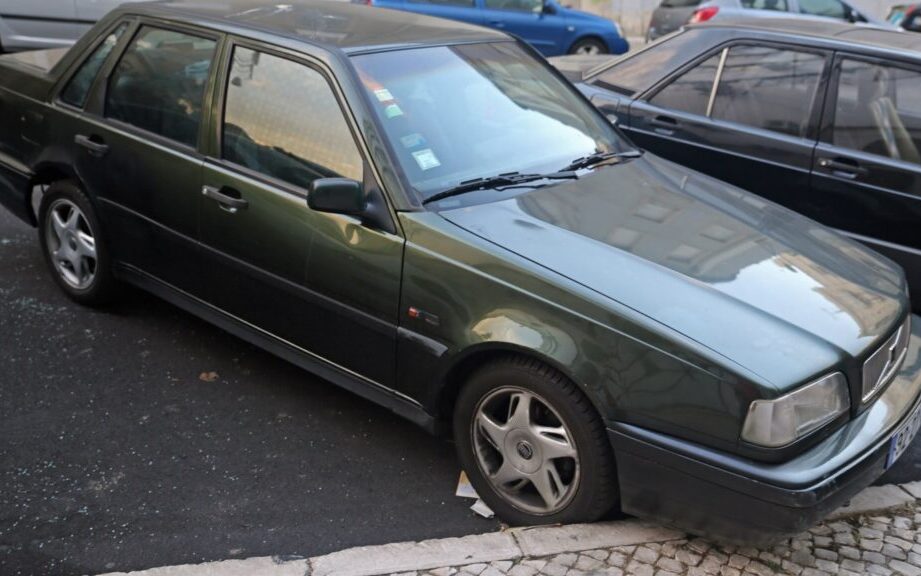
The Volvo 460 L, specifically the 2.0-liter (109 hp) variant produced between 1993 and 1996, represented Volvo’s entry into the compact executive sedan segment. Part of the 460 series (chassis code 464), it was positioned as a more affordable and accessible alternative to the larger Volvo 850. This model aimed to attract buyers seeking Scandinavian practicality, safety, and a degree of luxury in a smaller package. While not a performance leader, the 2.0L engine offered a balance of fuel economy and adequate power for everyday driving, making it a popular choice in European markets.
Technical Specifications
| Brand | Volvo |
| Model | 460 L |
| Generation | 460 L (464) |
| Type (Engine) | 2.0 (109 Hp) |
| Start of production | 1993 |
| End of production | 1996 |
| Powertrain Architecture | Internal Combustion engine |
| Body type | Sedan |
| Seats | 5 |
| Doors | 4 |
| Fuel consumption (combined) | 8 l/100 km (29.4 US mpg, 35.3 UK mpg, 12.5 km/l) |
| Fuel Type | Petrol (Gasoline) |
| Acceleration 0 – 100 km/h | 10.3 sec |
| Acceleration 0 – 62 mph | 10.3 sec |
| Acceleration 0 – 60 mph | 9.8 sec |
| Maximum speed | 190 km/h (118.06 mph) |
| Weight-to-power ratio | 9.5 kg/Hp, 105.4 Hp/tonne |
| Weight-to-torque ratio | 6.3 kg/Nm, 159.6 Nm/tonne |
| Power | 109 Hp @ 5200 rpm |
| Power per litre | 54.6 Hp/l |
| Torque | 165 Nm @ 3500 rpm (121.7 lb.-ft. @ 3500 rpm) |
| Engine layout | Front, Transverse |
| Engine Model/Code | B20F116 |
| Engine displacement | 1998 cm3 (121.93 cu. in.) |
| Number of cylinders | 4 |
| Engine configuration | Inline |
| Cylinder Bore | 82.7 mm (3.26 in.) |
| Piston Stroke | 93 mm (3.66 in.) |
| Compression ratio | 9.5:1 |
| Number of valves per cylinder | 2 |
| Fuel injection system | Multi-port manifold injection |
| Engine aspiration | Naturally aspirated engine |
| Valvetrain | OHC |
| Engine oil capacity | 5 l (5.28 US qt | 4.4 UK qt) |
| Coolant | 7 l (7.4 US qt | 6.16 UK qt) |
| Kerb Weight | 1034 kg (2279.58 lbs.) |
| Max. weight | 1580 kg (3483.3 lbs.) |
| Max load | 546 kg (1203.72 lbs.) |
| Trunk (boot) space – minimum | 453 l (16 cu. ft.) |
| Trunk (boot) space – maximum | 948 l (33.48 cu. ft.) |
| Fuel tank capacity | 60 l (15.85 US gal | 13.2 UK gal) |
| Length | 4435 mm (174.61 in.) |
| Width | 1686 mm (66.38 in.) |
| Height | 1378 mm (54.25 in.) |
| Wheelbase | 2503 mm (98.54 in.) |
| Front track | 1416 mm (55.75 in.) |
| Rear (Back) track | 1426 mm (56.14 in.) |
| Drivetrain Architecture | The Internal combustion engine (ICE) drives the front wheels of the vehicle. |
| Drive wheel | Front wheel drive |
| Number of gears and type of gearbox | 5 gears, manual transmission |
| Front suspension | Wishbone |
| Rear suspension | Coil spring |
| Front brakes | Disc |
| Rear brakes | Disc |
| Assisting systems | ABS (Anti-lock braking system) |
| Steering type | Steering rack and pinion |
| Power steering | Hydraulic Steering |
| Tires size | 185/65 R14 |
| Wheel rims size | 14 |
INTRODUCTION
The Volvo 460 L 2.0, launched in 1993, was a key component of Volvo’s efforts to broaden its appeal in the competitive compact executive car market. Building upon the foundation laid by the earlier 440, the 460 L offered a more refined and spacious interior, along with updated styling. The 2.0-liter engine, designated the B20F, was the mainstay of the range, providing a balance between performance and economy. This variant occupied a middle ground in the 460 L lineup, offering more power than the base 1.7-liter engine but remaining more affordable than the later, more powerful 2.0-liter turbocharged options.
Powertrain & Engine Architecture
The heart of the 460 L 2.0 is the B20F inline-four cylinder engine. This engine, displacing 1998cc, utilizes a single overhead camshaft (OHC) design operating two valves per cylinder. The B20F featured multi-port fuel injection, a significant improvement over earlier carbureted Volvo engines, contributing to improved fuel efficiency and smoother operation. The engine code, B20F116, denotes specific variations within the B20F family. The engine’s relatively simple design prioritized reliability and ease of maintenance. The 460 L 2.0 was typically paired with a five-speed manual transmission, although a four-speed automatic transmission was also available. The automatic transmission, while offering convenience, was known to slightly reduce fuel economy and responsiveness compared to the manual.
Driving Characteristics
The 460 L 2.0 with the manual transmission offered a reasonably engaging driving experience for its class. Acceleration from 0-60 mph took around 9.8 seconds, which was competitive but not particularly brisk. The engine delivered its peak torque of 165 Nm (121.7 lb-ft) at 3500 rpm, providing adequate pulling power for overtaking and highway cruising. The automatic transmission, while smooth, resulted in a noticeable decrease in acceleration and a less direct connection to the engine. Gear ratios were tuned for fuel efficiency rather than outright performance. The front-wheel-drive layout provided predictable handling, although it lacked the dynamic finesse of some rear-wheel-drive competitors. The suspension, tuned for comfort, absorbed bumps well but could exhibit some body roll during cornering.
Equipment & Trim Levels
The 460 L 2.0 typically came equipped with a respectable level of standard features for its time. These included power steering, central locking, and an AM/FM radio. Interior upholstery was typically cloth, with options for upgraded velour or leather available. Dashboard design was functional and typically featured woodgrain trim. Optional extras included a sunroof, alloy wheels, and a more advanced audio system. Higher trim levels, often denoted by “SE” or “LE” designations, added features such as electric windows, heated seats, and upgraded interior trim.
Chassis & Braking
The 460 L utilized a front-wheel-drive chassis with independent front suspension employing wishbones and coil springs. The rear suspension consisted of a semi-independent coil spring setup. Braking was provided by disc brakes on all four wheels, a notable safety feature for the time. An Anti-lock Braking System (ABS) was standard equipment, further enhancing safety. Steering was rack and pinion, providing precise and responsive control. The 460 L’s relatively lightweight construction (around 1034 kg or 2279.58 lbs) contributed to its nimble handling.
Market Reception & Comparison
The Volvo 460 L 2.0 received generally positive reviews from automotive critics. It was praised for its safety, build quality, and comfortable ride. However, it was often criticized for its somewhat bland styling and lack of a truly sporty driving experience. Compared to the 1.7-liter version, the 2.0-liter offered a significant improvement in performance, making it a more appealing option for drivers who frequently undertook longer journeys or required more power. Compared to the later turbocharged 2.0-liter models, the naturally aspirated 2.0-liter offered better fuel economy and lower maintenance costs, but at the expense of outright performance. The 460 L competed with other compact executive sedans such as the Ford Mondeo, Opel Vectra, and Peugeot 405.
Legacy
The Volvo 460 L, including the 2.0-liter variant, has proven to be a relatively reliable vehicle over the long term. The B20F engine is known for its durability, and with regular maintenance, can withstand high mileage. However, like all older vehicles, they are susceptible to age-related issues such as corrosion and wear and tear on rubber components. Today, the 460 L is a relatively affordable classic car, appealing to enthusiasts who appreciate its Scandinavian design and practicality. Parts availability can be a challenge, but a dedicated community of Volvo owners helps to keep these cars on the road. The 460 L represents a transitional period for Volvo, bridging the gap between its traditional, boxy designs and the more modern styling of the 850 series.
