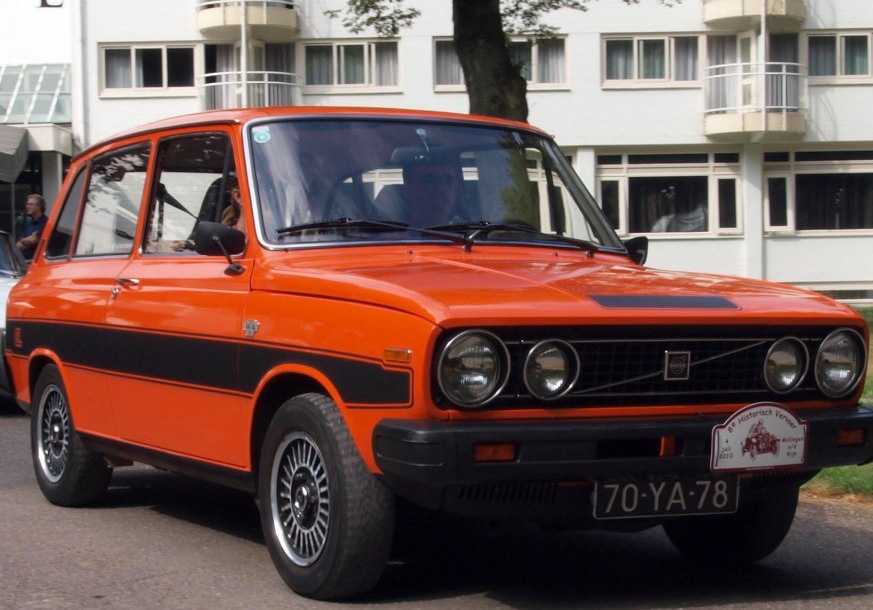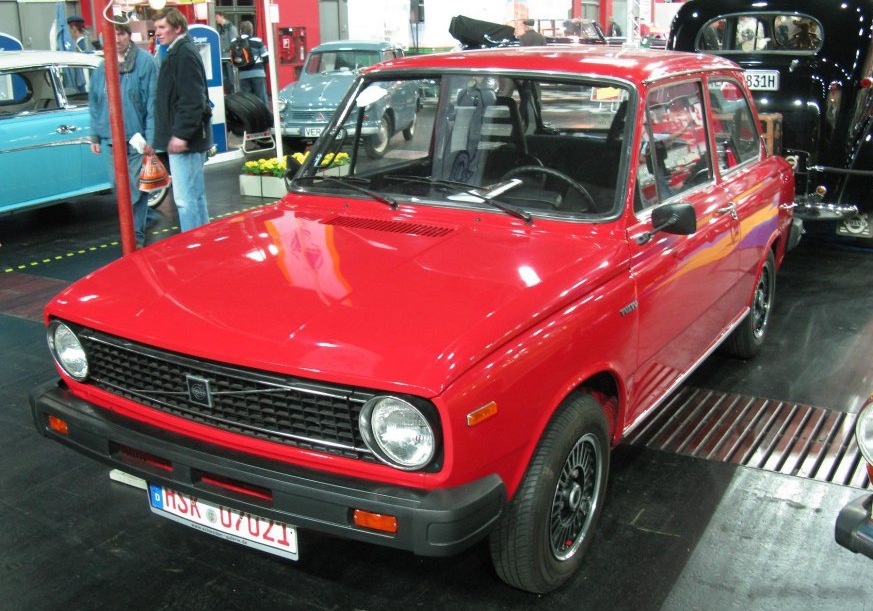
The Volvo 66 GL 1.3, equipped with the Variornatic automatic transmission and producing 57 horsepower, was a compact sedan produced between 1975 and 1978. It represented a smaller, more economical offering from Volvo, designed to appeal to a broader market segment than the larger, more traditionally-sized Volvos of the era. The 66 series, internally designated as the 660, was a relatively short-lived model, positioned as an entry-level vehicle within Volvo’s lineup. It was based on a shortened version of the 140 series platform, aiming to provide Volvo reliability and safety in a more manageable and affordable package. This particular 1.3L GL variant with the Variornatic transmission occupied the lower end of the 66 range, prioritizing fuel efficiency and ease of driving over outright performance.
Technical Specifications
| Brand | Volvo |
| Model | 66 |
| Generation | 66 |
| Type (Engine) | GL 1.3 (57 Hp) Variornatic |
| Start of production | 1975 |
| End of production | 1978 |
| Powertrain Architecture | Internal Combustion engine |
| Body type | Sedan |
| Seats | 4 |
| Doors | 2 |
| Fuel Type | Petrol (Gasoline) |
| Weight-to-power ratio | 14.6 kg/Hp, 68.3 Hp/tonne |
| Weight-to-torque ratio | 8.9 kg/Nm, 112.6 Nm/tonne |
| Power | 57 Hp @ 5200 rpm |
| Power per litre | 44.2 Hp/l |
| Torque | 94 Nm @ 2800 rpm, 69.33 lb.-ft. @ 2800 rpm |
| Engine Model/Code | B130E |
| Engine displacement | 1289 cm3, 78.66 cu. in. |
| Number of cylinders | 4 |
| Cylinder Bore | 73 mm, 2.87 in. |
| Piston Stroke | 77 mm, 3.03 in. |
| Compression ratio | 8.5:1 |
| Engine aspiration | Naturally aspirated engine |
| Engine oil capacity | 3.3 l, 3.49 US qt | 2.9 UK qt |
| Coolant | 4.8 l, 5.07 US qt | 4.22 UK qt |
| Kerb Weight | 835 kg, 1840.86 lbs |
| Max. weight | 1260 kg, 2777.82 lbs |
| Max load | 425 kg, 936.96 lbs |
| Fuel tank capacity | 42 l, 11.1 US gal | 9.24 UK gal |
| Length | 3900 mm, 153.54 in |
| Width | 1540 mm, 60.63 in |
| Height | 1380 mm, 54.33 in |
| Wheelbase | 2250 mm, 88.58 in |
| Front track | 1300 mm, 51.18 in |
| Rear (Back) track | 1230 mm, 48.43 in |
| Minimum turning circle (turning diameter) | 9.55 m, 31.33 ft |
| Drivetrain Architecture | The Internal combustion engine (ICE) drives the rear wheels of the vehicle. |
| Drive wheel | Rear wheel drive |
| Number of gears and type of gearbox | automatic transmission Variornatic |
| Rear suspension | Suspension De-Dion |
| Front brakes | Disc |
| Rear brakes | Drum |
| Wheel rims size | 4.5J x 13 |
Powertrain & Engine Architecture
The Volvo 66 GL 1.3 utilized the B130E engine, a 1.3-liter inline-four cylinder gasoline engine. This engine was a relatively simple design, featuring a single overhead camshaft (SOHC) and a two-barrel carburetor. The B130E produced 57 horsepower at 5200 rpm and 94 Nm (69.33 lb-ft) of torque at 2800 rpm. The engine’s design prioritized durability and low-end torque, rather than high-revving performance. The Variornatic transmission was a continuously variable transmission (CVT), a relatively novel technology for the time. It used a belt-and-pulley system to provide a seamless and stepless gear ratio, offering smooth acceleration and improved fuel economy. Unlike modern CVTs, the Variornatic was known for its distinct whine during operation.
Driving Characteristics
The 66 GL 1.3 Variornatic offered a comfortable, if not particularly exciting, driving experience. The Variornatic transmission eliminated the need for traditional gear changes, making it easy to drive in urban environments. However, the lack of distinct gear steps and the relatively low horsepower output meant that acceleration was leisurely. Compared to the manual transmission versions of the 66, the Variornatic sacrificed some responsiveness for convenience. The 1.3-liter engine provided adequate power for everyday driving, but struggled when fully loaded or attempting to overtake at higher speeds. The De-Dion rear suspension contributed to a relatively comfortable ride, but the car’s overall handling was not particularly sporty.
Equipment & Trim Levels
The GL trim level, even as the entry-level offering, included features considered standard for the time. These typically included cloth upholstery, basic instrumentation (speedometer, fuel gauge, temperature gauge), and a two-spoke steering wheel. Optional extras included a radio, heated rear window, and upgraded interior trim. The interior was functional and straightforward, reflecting Volvo’s emphasis on practicality and durability. The dashboard layout was simple, with controls logically arranged for ease of use. The 66 GL 1.3 was generally equipped with basic steel wheels and hubcaps.
Chassis & Braking
The Volvo 66 featured a rear-wheel-drive layout and a relatively simple chassis design. The front suspension utilized independent coil springs and wishbones, while the rear suspension employed a De-Dion axle with coil springs. This setup provided a reasonable balance between ride comfort and handling. The braking system consisted of disc brakes on the front wheels and drum brakes on the rear wheels. The braking performance was adequate for the car’s weight and power, but lacked the stopping power of more modern vehicles. The steering was a recirculating ball system, providing a relatively heavy but precise feel.
Market Reception & Comparison
The Volvo 66 GL 1.3 Variornatic was generally well-received as an economical and reliable small car. Critics praised its build quality and safety features, which were typical of Volvo. However, the car’s performance was often criticized as being underwhelming, particularly with the Variornatic transmission. Compared to other 1.3-liter cars of the era, the 66 offered a more refined and comfortable driving experience, but at a slightly higher price point. The Variornatic transmission, while innovative, was not universally popular due to its distinctive sound and perceived lack of responsiveness. Fuel economy was a strong point, making it an attractive option for budget-conscious buyers.
Legacy
The Volvo 66, while a short-lived model, represents an interesting chapter in Volvo’s history. It demonstrated the company’s willingness to experiment with new technologies, such as the Variornatic transmission, and to cater to a broader market segment. The B130E engine proved to be a durable and reliable unit, and many examples are still on the road today. The Variornatic transmission, however, is often a point of concern for potential buyers, as parts can be difficult to find and repairs can be expensive. In the used car market, the 66 GL 1.3 Variornatic is considered a classic Volvo, appealing to enthusiasts who appreciate its unique character and historical significance. Its relative rarity and the enduring reputation of the Volvo brand contribute to its collectibility.