
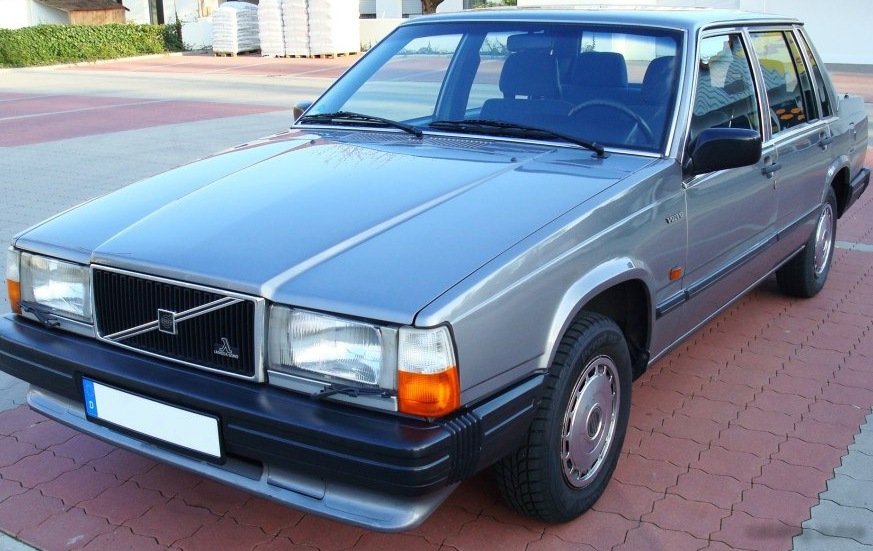
Technical Specifications
| Brand | Volvo |
| Model | 740 |
| Generation | 740 (744) |
| Type (Engine) | 2.3 (129 Hp) |
| Start of production | 1984 |
| End of production | 1985 |
| Powertrain Architecture | Internal Combustion engine |
| Body type | Sedan |
| Seats | 5 |
| Doors | 4 |
| Fuel Type | Petrol (Gasoline) |
| Power | 129 Hp |
| Engine Model/Code | B23E |
| Engine aspiration | Naturally aspirated engine |
| Engine oil capacity | 3.85 l / 4.07 US qt / 3.39 UK qt |
| Fuel tank capacity | 60 l / 15.85 US gal / 13.2 UK gal |
| Length | 4785 mm / 188.39 in. |
| Width | 1760 mm / 69.29 in. |
| Height | 1430 mm / 56.3 in. |
The Volvo 740, specifically the 744 model equipped with the 2.3-liter engine producing 129 horsepower, marks a significant period in Volvo’s history. Produced from 1984 to 1985, this variant held a crucial position in the lineup as a practical, reliable, and relatively affordable entry point into the premium Swedish sedan market. It was part of the broader 700/900 series, renowned for its boxy yet durable design and unwavering commitment to safety, building upon Volvo’s long-standing reputation for longevity. The 740 series, and the 744 in particular, aimed to deliver a spacious and comfortable family vehicle, prioritizing functionality over ostentatious styling – a defining characteristic of Volvo’s design philosophy during that era.
Powertrain & Engine Architecture
The core of the 744 2.3 was the B23E engine, a 2.3-liter inline-four cylinder powerplant. This engine was a cornerstone of Volvo’s engineering throughout the 1980s, celebrated for its robustness and relatively uncomplicated design. It featured a cast iron block and an aluminum cylinder head, contributing significantly to its durability. Fuel delivery was managed by Bosch mechanical fuel injection – a system favored for its dependability and the absence of complex electronic controls, which were less common during that period. The B23E utilized a single overhead camshaft (SOHC) valvetrain, operating two valves per cylinder. While not designed for high-revving performance, it generated a respectable 129 horsepower and approximately 135 lb-ft of torque. This power was delivered in a smooth, predictable manner, emphasizing usability over outright speed.
The 744 2.3 was typically paired with a four-speed automatic transmission, although a five-speed manual transmission was also offered. The automatic transmission, while providing convenience, was tuned for fuel efficiency and smooth operation rather than sporty acceleration. It was a conventional hydraulic automatic, lacking the electronic controls found in later transmission designs. The gear ratios were relatively tall, promoting relaxed highway cruising but somewhat limiting acceleration from a standstill.
Driving Characteristics
Behind the wheel, the 744 2.3 automatic offered a comfortable and predictable driving experience. Acceleration was adequate for everyday driving needs, but it wasn’t a particularly quick vehicle. The automatic transmission shifted smoothly, though it lacked the responsiveness of more modern units. The engine’s torque curve was relatively flat, providing sufficient power for merging onto highways and overtaking slower traffic, but it didn’t deliver an exhilarating sense of speed. The suspension, calibrated for comfort, effectively absorbed bumps and road imperfections, resulting in a stable and composed ride. Steering was relatively light and precise, making it easy to maneuver in urban environments. Compared to the manual transmission version, the automatic 744 felt noticeably slower, especially during acceleration. The higher-output versions, particularly those equipped with turbocharging, offered considerably more performance, but came at a higher price point.
Equipment & Trim Levels
The 744 2.3 generally came with a fairly basic level of standard equipment, reflecting its position as an entry-level model. Standard features included cloth upholstery, a basic AM/FM radio, and manual windows and door locks. Air conditioning was frequently an optional extra, as were power windows and a sunroof. The interior was functional and well-constructed, prioritizing durability over luxury. The dashboard layout was straightforward and user-friendly, with clearly labeled controls. Higher trim levels offered upgrades such as leather upholstery, enhanced sound systems, and more comprehensive instrumentation.
Chassis & Braking
The 744 2.3 featured a robust chassis with independent front suspension and a solid rear axle. The front suspension utilized MacPherson struts, while the rear axle was supported by leaf springs. This configuration provided a good balance between ride comfort and handling stability. Braking was accomplished by disc brakes on the front wheels and drum brakes on the rear wheels. While sufficient for most driving situations, the rear drum brakes were a common point of criticism, as they offered less stopping power and were more susceptible to fading under heavy use. A stabilizer bar was fitted to the front suspension to minimize body roll during cornering.
Market Reception & Comparison
The 744 2.3 was generally well-received by both automotive critics and consumers. It was lauded for its reliability, safety features, and practicality. However, its performance was often considered somewhat underwhelming, particularly in the automatic transmission configuration. When compared to other vehicles in its class, such as the BMW 3 Series and the Mercedes-Benz 190E, the 744 2.3 offered a more accessible price point but lacked the same degree of refinement and performance. Fuel economy was reasonable for the time, averaging around 20-25 miles per gallon in mixed driving conditions. The manual transmission version provided slightly improved fuel economy and a more engaging driving experience.
Legacy
The Volvo 740 series, and the 744 2.3 specifically, has earned a well-deserved reputation as one of the most durable and reliable automobiles ever manufactured. Numerous examples are still in operation today, a testament to their robust construction and simple engineering principles. The B23E engine is renowned for its longevity and ability to withstand high mileage. In the used car market, the 744 2.3 remains a popular choice for buyers seeking a practical, affordable, and dependable classic car. While not a performance icon, it represents a significant chapter in Volvo’s history and embodies the company’s commitment to building safe, durable, and long-lasting vehicles.
