
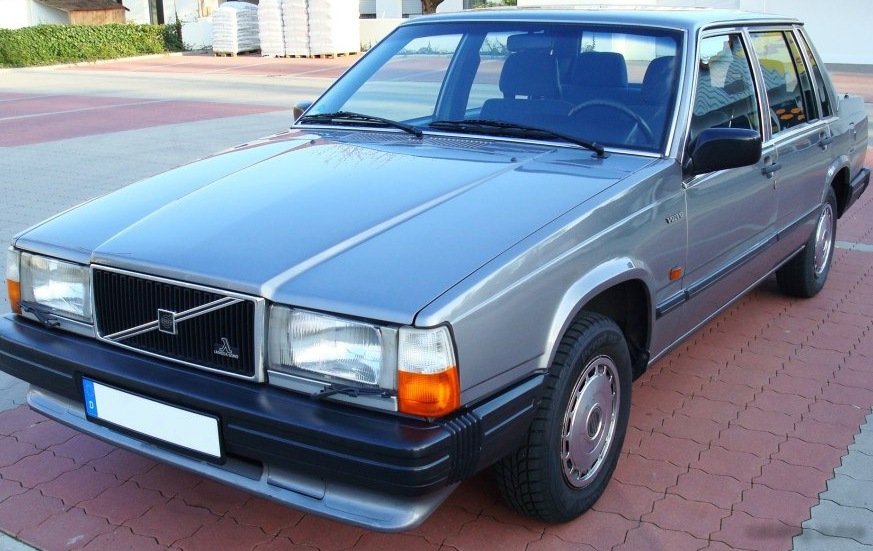
The Volvo 740 2.3, produced between 1988 and 1990, represents a significant iteration of Volvo’s renowned 700 series. Specifically the 744 model (denoting the four-door sedan), this variant occupied a middle ground within the 740 lineup, balancing performance with affordability. It was a key part of a generation celebrated for its robust construction, pioneering safety features, and exceptional reliability, cementing Volvo’s strong position in the North American market and globally. The 740 series, built on Volvo’s rear-wheel-drive platform, stood out as a deliberate choice against the growing trend of front-wheel-drive vehicles, attracting drivers who appreciated traditional driving dynamics and a vehicle engineered for longevity.
Technical Specifications
| Brand | Volvo |
| Model | 740 |
| Generation | 740 (744) |
| Type (Engine) | 2.3 (136 Hp) |
| Start of production | 1988 |
| End of production | 1990 |
| Powertrain Architecture | Internal Combustion engine |
| Body type | Sedan |
| Seats | 5 |
| Doors | 4 |
| Fuel Type | Petrol (Gasoline) |
| Power | 136 Hp |
| Engine aspiration | Naturally aspirated engine |
| Engine oil capacity | 3.85 l / 4.07 US qt / 3.39 UK qt |
| Fuel tank capacity | 60 l / 15.85 US gal / 13.2 UK gal |
| Length | 4785 mm / 188.39 in. |
| Width | 1760 mm / 69.29 in. |
| Height | 1430 mm / 56.3 in. |
Powertrain & Engine Architecture
The Volvo 740 2.3 is powered by Volvo’s B230F engine, a 2.3-liter inline-four cylinder. This engine is a naturally aspirated, overhead valve (OHV) design, valued for its inherent simplicity and durability. Fuel delivery is managed by Bosch mechanical fuel injection – a system selected for its reliability and ease of maintenance compared to the emerging electronic fuel injection technologies of the time. The B230F features a cast iron engine block and an aluminum cylinder head, contributing to its robust construction. The engine produces 136 horsepower and approximately 155 lb-ft of torque. The torque curve is notably flat, delivering usable power across a wide range of engine speeds. This specific variant was commonly paired with a four-speed automatic transmission (AW71), sourced from Aisin-Warner. While not known for particularly sporty performance, the AW71 was appreciated for its smooth operation and dependability. The AW71 is a hydraulically controlled automatic transmission, offering three forward gears and reverse.
Driving Characteristics
The 740 2.3 equipped with the automatic transmission provides a comfortable, though not exceptionally sporty, driving experience. Acceleration from a standstill is adequate for everyday driving, but the automatic transmission’s shift points can feel somewhat conservative, prioritizing fuel efficiency over maximizing performance. The relatively low gearing of the AW71 results in the engine operating at higher RPMs during highway cruising, which can contribute to noticeable engine noise. Compared to the five-speed manual transmission available on other 740 models, the automatic version feels demonstrably slower and less engaging. However, the automatic transmission offers significantly greater convenience in stop-and-go traffic. The rear-wheel-drive layout contributes to a balanced feel, and the 740’s suspension – consisting of MacPherson struts at the front and a solid rear axle with coil springs – delivers a comfortable ride, although some body roll can be experienced during cornering maneuvers.
Equipment & Trim Levels
The 740 2.3 automatic typically included a fairly standard set of features for a vehicle of the late 1980s. Base models featured cloth upholstery, manual windows and door locks, and a basic AM/FM radio. Power steering was generally standard equipment. Optional extras included a sunroof, upgraded audio systems, leather upholstery, and air conditioning. The interior design is functional and straightforward, emphasizing ergonomics and durability over ostentatious aesthetics. The dashboard layout is simple and intuitive, with clearly marked gauges and easily accessible controls. The 740 2.3 occupied a mid-range position in the 740 lineup, positioned above the base models with smaller engines and fewer features, but below the more luxurious and performance-oriented 740 Turbo models.
Chassis & Braking
The 740 2.3 utilizes a robust chassis engineered with safety and longevity in mind. The front suspension features MacPherson struts, while the rear employs a solid axle with coil springs. This configuration provides a comfortable ride and predictable handling characteristics. Braking is provided by disc brakes at the front and drum brakes at the rear. While the front discs offer adequate stopping power, the rear drums are a common point of criticism, providing less consistent performance than disc brakes, particularly under heavier loads. The 740’s steering system is a traditional recirculating ball setup, offering a connected feel but lacking the precision of more modern rack-and-pinion systems. Stabilizer bars are fitted to both the front and rear axles to minimize body roll during cornering.
Market Reception & Comparison
The Volvo 740 2.3 automatic was generally well-received by automotive critics and consumers. It was consistently praised for its safety, reliability, and comfortable ride quality. However, the automatic transmission often drew criticism for its lack of responsiveness and its impact on fuel economy. Compared to the manual transmission versions, the automatic 2.3 typically achieved slightly lower fuel economy figures – around 18-22 mpg in combined driving conditions. The 740 Turbo models, while carrying a higher price tag, offered significantly enhanced performance and were favored by drivers seeking a more engaging driving experience. The 740 2.3, however, appealed to a broader demographic who prioritized practicality, safety, and a comfortable ride over outright speed and performance.
Legacy
The Volvo 740 2.3, and the 700 series as a whole, has earned a well-deserved reputation as one of the most durable and reliable automobiles ever produced. The B230F engine is particularly renowned for its exceptional longevity, with numerous examples exceeding 300,000 miles with consistent and proper maintenance. The AW71 automatic transmission, while not as robust as the engine itself, is also generally considered to be a reliable unit. Today, the 740 2.3 remains a popular choice among classic car enthusiasts and those seeking a dependable and affordable used vehicle. Parts availability remains reasonably good, and the car’s relatively simple mechanical design makes it comparatively easy to maintain and repair. The 740’s enduring popularity is a testament to Volvo’s unwavering commitment to building safe, durable, and well-engineered vehicles.
