
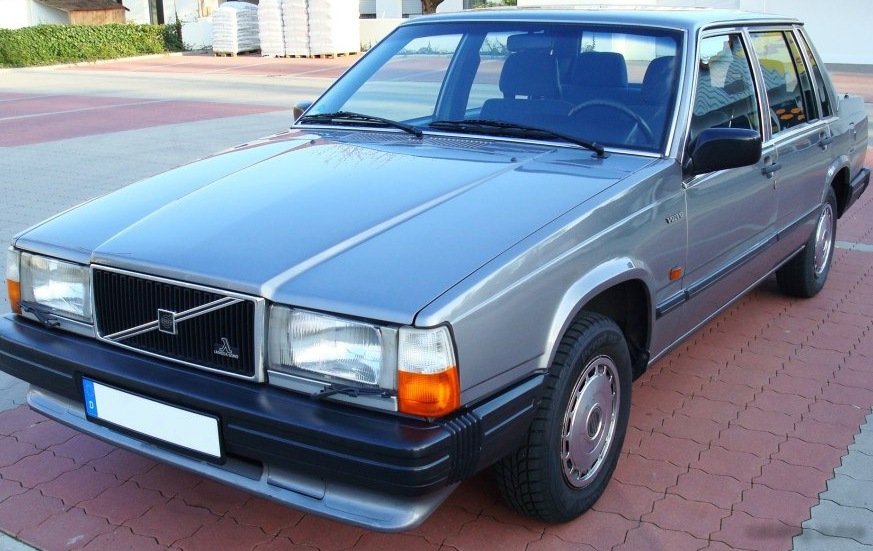
The Volvo 740 2.3 16V, produced between 1988 and 1990, represents a significant evolution within the 740 series, a cornerstone of Volvo’s reputation for safety and durability. This variant, designated the 744, offered a compelling blend of performance and practicality, positioned as a step up from the base models while remaining more accessible than the turbocharged variants. It was part of the broader 700/900 series, known for its boxy but functional design and robust construction, and played a key role in solidifying Volvo’s presence in the North American market, where it gained a loyal following for its reliability and all-weather capability.
Technical Specifications
| Brand | Volvo |
| Model | 740 |
| Generation | 740 (744) |
| Type (Engine) | 2.3 16V (156 Hp) |
| Start of production | 1988 |
| End of production | 1990 |
| Powertrain Architecture | Internal Combustion engine |
| Body type | Sedan |
| Seats | 5 |
| Doors | 4 |
| Fuel Type | Petrol (Gasoline) |
| Power | 156 Hp |
| Engine Model/Code | B234F |
| Engine aspiration | Naturally aspirated engine |
| Engine oil capacity | 3.9 l (4.12 US qt | 3.43 UK qt) |
| Coolant capacity | 9.3 l (9.83 US qt | 8.18 UK qt) |
| Fuel tank capacity | 60 l (15.85 US gal | 13.2 UK gal) |
| Length | 4785 mm (188.39 in) |
| Width | 1760 mm (69.29 in) |
| Height | 1430 mm (56.3 in) |
Powertrain & Engine Architecture
The heart of the 740 2.3 16V is the B234F engine, a naturally aspirated, inline-four cylinder powerplant. This engine represents a significant upgrade over the earlier B23 and B230 engines, featuring a cylinder head with four valves per cylinder (hence the “16V” designation). This multi-valve design, coupled with a higher compression ratio, allowed for increased airflow and improved combustion efficiency, resulting in the 156 horsepower output. Fuel delivery is managed by Bosch mechanical fuel injection, a system known for its reliability and relatively simple maintenance. The engine utilizes a cast iron block and an aluminum cylinder head, a common configuration for Volvo engines of this era, providing a good balance of strength and weight. The 740 2.3 16V was exclusively offered with a four-speed automatic transmission (AW71), a robust unit designed to handle the engine’s torque. This transmission, while not known for its sporty responsiveness, provided smooth and comfortable shifts, aligning with the 740’s overall character as a practical and refined family sedan.
Driving Characteristics
The driving experience in a 740 2.3 16V with the automatic transmission is characterized by smooth, predictable power delivery. While not a performance-oriented vehicle, the 156 horsepower provides adequate acceleration for everyday driving situations. The automatic transmission, with its four forward gears, prioritizes comfort over outright speed. Gear changes are generally seamless, but downshifts can be somewhat slow, especially when attempting quick overtaking maneuvers. Compared to the five-speed manual transmission available on other 740 models, the automatic version feels less engaging and offers slightly reduced fuel economy. However, it provides a more relaxed driving experience, particularly in city traffic. The 740’s suspension, tuned for comfort, absorbs bumps and imperfections in the road well, contributing to a stable and composed ride. Steering is relatively light and precise, making it easy to maneuver in tight spaces.
Equipment & Trim Levels
The 740 2.3 16V typically came equipped with a respectable level of standard features for its time. These included power steering, front disc brakes, and a comfortable interior with cloth upholstery. Depending on the specific market and optional packages selected, features such as power windows, power door locks, a sunroof, and a premium sound system could be added. Interior trim generally consisted of durable, high-quality materials, reflecting Volvo’s commitment to build quality. The dashboard layout is functional and straightforward, with clearly labeled controls. The 740 2.3 16V occupied a mid-range position within the 740 lineup, offering a step up in performance and features compared to the base models but falling short of the luxury and performance offered by the turbocharged variants.
Chassis & Braking
The Volvo 740 2.3 16V utilizes a traditional body-on-frame construction, contributing to its inherent strength and durability. The front suspension features independent coil springs and MacPherson struts, while the rear suspension employs a solid axle with coil springs and a stabilizer bar. Brakes are disc brakes at the front and drum brakes at the rear, providing adequate stopping power for most driving conditions. The braking system is not particularly sophisticated by modern standards, but it is reliable and effective when properly maintained. The chassis is designed to prioritize safety and stability, offering a secure and predictable handling experience.
Market Reception & Comparison
The 740 2.3 16V was generally well-received by automotive critics, who praised its robust construction, comfortable ride, and respectable performance. It was often seen as a sensible and practical choice for families and commuters. Compared to other trims in the 740 lineup, the 2.3 16V offered a good balance of performance and fuel economy. While the turbocharged models provided significantly more power, they also came with a higher price tag and increased maintenance costs. The 2.3 16V offered a more affordable and reliable alternative, appealing to buyers who prioritized practicality and durability over outright speed. Fuel economy was reasonable for the time, averaging around 20-25 mpg in mixed driving conditions.
Legacy
The Volvo 740 2.3 16V has earned a reputation as a remarkably durable and reliable vehicle. Many examples are still on the road today, a testament to Volvo’s engineering and build quality. The B234F engine is known for its longevity and relatively simple maintenance requirements. While age-related issues such as rust and worn suspension components are common, the engine and transmission are generally robust and capable of withstanding high mileage. In the used car market, the 740 2.3 16V remains a popular choice for enthusiasts and those seeking a dependable and affordable classic car. Its combination of practicality, durability, and understated style continues to appeal to a wide range of buyers. The 740 series, as a whole, cemented Volvo’s image as a manufacturer of safe, reliable, and long-lasting vehicles, a reputation that continues to this day.
