
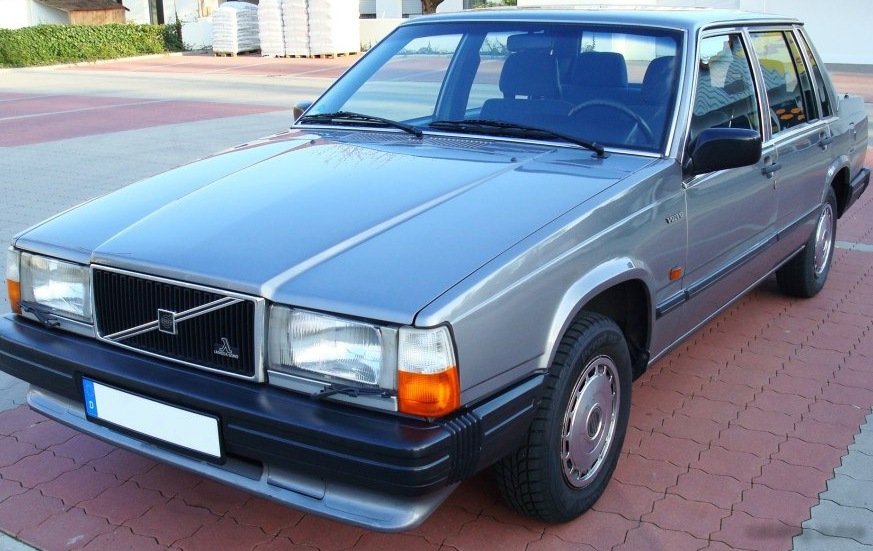
The Volvo 740 Turbo, specifically the 744 model produced between 1986 and 1989, represented a significant step forward in performance for the traditionally safety-focused Swedish automaker. Positioned as a mid-range offering within the 740 series, it brought forced induction to a platform already known for its durability and practicality. This variant aimed to appeal to drivers seeking a blend of everyday usability and spirited driving, a relatively uncommon combination in the 1980s. The 740 series, built on Volvo’s robust rear-wheel-drive platform, was a mainstay of the brand’s lineup and a popular choice in both Europe and North America.
Technical Specifications
| Brand | Volvo |
| Model | 740 |
| Generation | 740 (744) |
| Type (Engine) | 2.3 Turbo (156 Hp) |
| Start of production | 1986 |
| End of production | 1989 |
| Powertrain Architecture | Internal Combustion engine |
| Body type | Sedan |
| Seats | 5 |
| Doors | 4 |
| Fuel Type | Petrol (Gasoline) |
| Power | 156 Hp |
| Engine Model/Code | B230FT |
| Engine aspiration | Turbocharger |
| Engine oil capacity | 4.5 l (4.76 US qt | 3.96 UK qt) |
| Coolant capacity | 9.3 l (9.83 US qt | 8.18 UK qt) |
| Fuel tank capacity | 60 l (15.85 US gal | 13.2 UK gal) |
| Length | 4785 mm (188.39 in) |
| Width | 1760 mm (69.29 in) |
| Height | 1430 mm (56.3 in) |
Powertrain & Engine Architecture
The heart of the 740 Turbo was the B230FT engine, a 2.3-liter inline-four cylinder powerplant. This engine was a derivative of Volvo’s well-established ‘Redblock’ family, known for its overbuilt construction and inherent reliability. The ‘FT’ designation signified the factory turbocharger installation. The B230FT utilized a Garrett T25 turbocharger, providing approximately 8 psi of boost. Fuel delivery was managed by Bosch K-Jetronic mechanical fuel injection, a system chosen for its robustness and ability to handle the increased fuel demands of forced induction. The engine featured a cast iron block and an aluminum cylinder head, contributing to its durability. The valvetrain employed a single overhead camshaft (SOHC) design with two valves per cylinder. While not the most technologically advanced setup, it proved exceptionally reliable. The engine was typically paired with a four-speed automatic transmission (AW71), although a five-speed manual transmission was also available. The automatic transmission, while providing convenience, was sometimes criticized for slightly diminishing the engine’s performance potential.
Driving Characteristics
The 740 Turbo offered a noticeable performance upgrade over naturally aspirated 740 models. The 156 horsepower and 173 lb-ft of torque provided brisk acceleration, especially considering the car’s weight. The turbocharger did exhibit some lag, typical of systems of that era, meaning a slight delay between pressing the accelerator and feeling the full boost. However, once the turbo spooled up, the car delivered a strong surge of power. The automatic transmission’s gear ratios were geared towards comfortable cruising, rather than outright performance. Compared to the five-speed manual, the automatic resulted in slightly slower 0-60 mph times, generally in the 8.5-9.5 second range. Handling was competent, benefiting from the rear-wheel-drive layout and a relatively well-tuned suspension. However, it wasn’t a sports car; the focus remained on stability and comfort. The steering was relatively heavy, providing a connected feel to the road.
Equipment & Trim Levels
The 740 Turbo typically came with a fairly comprehensive list of standard features for the mid-1980s. This included power steering, central locking, and a basic stereo system. Interior upholstery was typically cloth, with options for leather available at extra cost. Dashboard configuration was functional and straightforward, prioritizing ease of use over flashy aesthetics. Optional extras included a sunroof, upgraded sound systems, and heated front seats. The 740 Turbo often featured a unique gauge cluster with a turbo boost gauge, providing drivers with real-time feedback on the engine’s performance. The trim level generally sat between the base 740 and the more luxurious 760 models.
Chassis & Braking
The 740 series utilized a robust rear-wheel-drive chassis with a MacPherson strut front suspension and a solid rear axle with leaf springs. This setup provided a comfortable ride and good load-carrying capacity. Braking on the 740 Turbo typically consisted of disc brakes on the front wheels and drum brakes on the rear. While adequate for most driving situations, the rear drum brakes were a point of criticism, particularly for those seeking more aggressive driving performance. Stabilizer bars were fitted to both the front and rear axles, helping to reduce body roll during cornering. The car’s relatively heavy weight (around 3,200 lbs) contributed to its stability but also impacted its agility.
Market Reception & Comparison
The 740 Turbo was generally well-received by automotive critics. It was praised for its blend of performance, practicality, and safety. However, some reviewers noted the turbo lag and the automatic transmission’s impact on performance. Compared to other turbocharged cars of the era, such as the Saab 900 Turbo, the 740 Turbo offered a more understated and practical package. Fuel economy was reasonable for a turbocharged vehicle of the time, averaging around 20-25 mpg in mixed driving. Reliability was a strong point, with the B230FT engine proving to be exceptionally durable. The 740 Turbo offered a compelling alternative to the naturally aspirated 740 models, appealing to drivers who wanted more power without sacrificing the Volvo’s renowned safety and build quality.
Legacy
The Volvo 740 Turbo, and the B230FT engine in particular, has developed a strong following among enthusiasts. The engine’s robust construction and potential for modification have made it a popular choice for performance upgrades. The 740 Turbo remains a relatively affordable classic car, offering a unique blend of 1980s Swedish engineering and turbocharged performance. While finding well-maintained examples can be challenging, the car’s inherent durability means that many are still on the road today. The B230FT engine is known for its ability to withstand significant power increases with relatively minor modifications, making it a favorite among those interested in building a sleeper performance car. The 740 Turbo represents a pivotal moment in Volvo’s history, demonstrating the brand’s willingness to embrace performance without compromising its core values of safety and reliability.
