
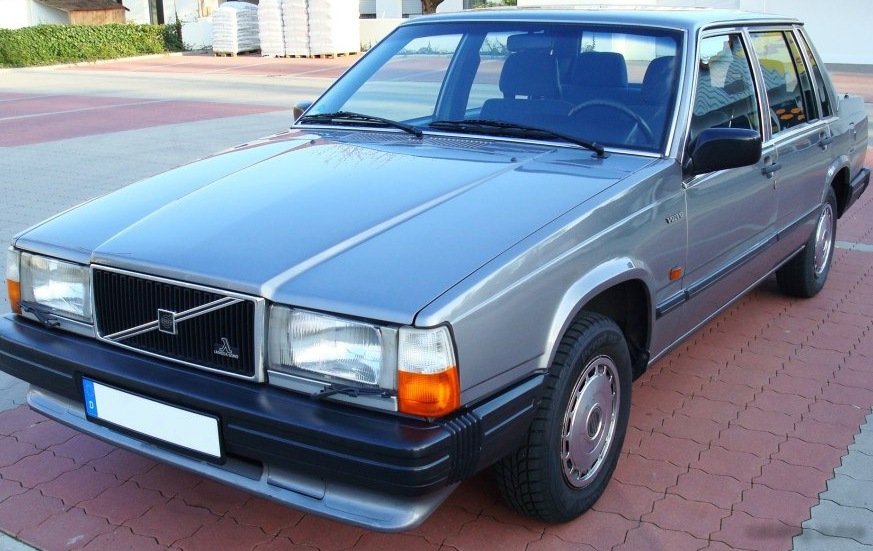
The Volvo 740 2.4 Diesel, specifically the 744 variant, represented a pragmatic and durable offering within Volvo’s popular 700-series lineup. Produced from 1984 to 1990, this model catered to buyers prioritizing fuel economy and longevity over outright performance. It occupied the lower end of the 740 range, serving as an entry point into Volvo ownership, particularly in European markets where diesel engines enjoyed significant popularity due to taxation and fuel costs. While not known for its speed, the 740 2.4 Diesel gained a reputation for being exceptionally robust and capable of high mileage with proper maintenance.
Technical Specifications
| Brand | Volvo |
| Model | 740 (744) |
| Generation | 740 (744) |
| Type (Engine) | 2.4 Diesel (82 Hp) |
| Start of Production | 1984 |
| End of Production | 1990 |
| Powertrain Architecture | Internal Combustion Engine |
| Body Type | Sedan |
| Seats | 5 |
| Doors | 4 |
| Fuel Type | Diesel |
| Power | 82 Hp |
| Engine Model/Code | D24 |
| Engine Aspiration | Naturally Aspirated |
| Engine Oil Capacity | 6 l (6.34 US qt | 5.28 UK qt) |
| Coolant Capacity | 9.5 l (10.04 US qt | 8.36 UK qt) |
| Fuel Tank Capacity | 60 l (15.85 US gal | 13.2 UK gal) |
| Length | 4785 mm (188.39 in) |
| Width | 1760 mm (69.29 in) |
| Height | 1430 mm (56.3 in) |
Powertrain & Engine Architecture
The heart of the 740 2.4 Diesel was the Volvo D24 engine, a naturally aspirated, indirect injection diesel inline-four. This engine was a workhorse, known for its simplicity and durability. The D24 featured a cast iron block and cylinder head, contributing to its longevity. The indirect injection system, common for diesels of this era, utilized a pre-chamber combustion system. Fuel was injected into a small pre-chamber, where it ignited, and then transferred to the main combustion chamber via a connecting passage. This design helped to reduce engine noise and improve combustion efficiency, although it wasn’t as efficient as later direct injection systems. The engine produced 82 horsepower and a respectable amount of torque for its displacement, though specific torque figures varied slightly depending on the year and market – typically around 140 lb-ft. The transmission paired with the D24 was typically a four-speed automatic, chosen for its ease of use and suitability for drivers not seeking a sporty driving experience. This automatic transmission, while reliable, wasn’t particularly sophisticated by modern standards, featuring relatively wide gear ratios. It was a Borg-Warner sourced unit, known for its robustness but not its responsiveness.
Driving Characteristics
The 740 2.4 Diesel with the automatic transmission offered a decidedly unhurried driving experience. Acceleration was modest, with a 0-60 mph time estimated to be around 14-16 seconds. The automatic transmission’s gear ratios were geared towards fuel efficiency rather than performance. The engine delivered its peak torque at relatively low RPMs, making it suitable for relaxed cruising and hauling loads. However, overtaking maneuvers required careful planning. Compared to the gasoline-powered 740 variants, particularly those equipped with the turbocharged engines, the diesel was significantly slower. The manual transmission versions of the D24 offered slightly improved performance and driver engagement, but the automatic was favored by those prioritizing comfort and convenience. The steering was relatively heavy, typical of Volvos of this era, providing a solid and connected feel to the road. The automatic transmission’s shift points were calibrated for economy, often holding gears longer to maximize fuel efficiency, which could sometimes feel sluggish during acceleration.
Equipment & Trim Levels
The 740 2.4 Diesel typically represented the base trim level within the 740 range. Standard equipment included cloth upholstery, a basic stereo system, and manual windows and door locks. Air conditioning was often an optional extra, as were power windows and central locking. The interior was functional and durable, prioritizing practicality over luxury. Dashboard design was typically a dark, conservative color scheme. Higher trim levels of the 740, such as the GL and GLE, offered more luxurious features like leather upholstery, wood trim, and upgraded audio systems, but these were not typically paired with the 2.4 Diesel engine. The focus with the diesel variant was on providing a reliable and affordable family car. Options like a sunroof and upgraded speakers were available, but rarely seen on the base diesel models.
Chassis & Braking
The 740 2.4 Diesel utilized a traditional body-on-frame construction, contributing to its robust feel and durability. The suspension consisted of a MacPherson strut front suspension and a solid axle rear suspension with leaf springs. This setup provided a comfortable ride, although it wasn’t particularly sporty. Braking was typically accomplished with disc brakes on the front wheels and drum brakes on the rear. Anti-lock braking systems (ABS) were available as an option, but not standard equipment on the base diesel model. Stabilizer bars were fitted to both the front and rear axles to reduce body roll during cornering, though the car’s overall handling characteristics were geared towards stability and comfort rather than agility. The rear leaf springs were tuned for a comfortable ride, even when the vehicle was loaded with passengers or cargo.
Market Reception & Comparison
The Volvo 740 2.4 Diesel was well-received in European markets, where diesel fuel was cheaper and diesel engines were favored for their fuel efficiency. Critics praised its durability and low running costs, but noted its lack of performance compared to gasoline-powered rivals. Compared to other 740 variants, such as the 2.3-liter gasoline models or the turbocharged versions, the diesel offered significantly lower fuel consumption but considerably less power. The diesel’s simplicity also meant lower maintenance costs, making it an attractive option for budget-conscious buyers. In the United States, the 740 Diesel was less common, as gasoline was more affordable and diesel engines were not as popular. The diesel’s fuel economy was a significant selling point in Europe, often exceeding 40 mpg on the highway.
Legacy
The Volvo 740 2.4 Diesel has earned a reputation as a remarkably durable and long-lasting vehicle. Many examples remain on the road today, often with exceptionally high mileage. The D24 engine is particularly well-regarded for its robustness and ability to withstand years of use with minimal maintenance. In the used car market, these models are often sought after by those looking for a reliable and affordable classic car. While not a performance icon, the 740 2.4 Diesel represents a significant chapter in Volvo’s history, embodying the brand’s commitment to safety, durability, and practicality. Parts availability remains relatively good, further contributing to its appeal as a classic vehicle. The D24 engine’s simplicity makes it relatively easy to repair, even for amateur mechanics, and its robust construction means that major engine failures are rare. Today, it’s often seen as a testament to Volvo’s engineering prowess and a symbol of a bygone era of automotive durability.
