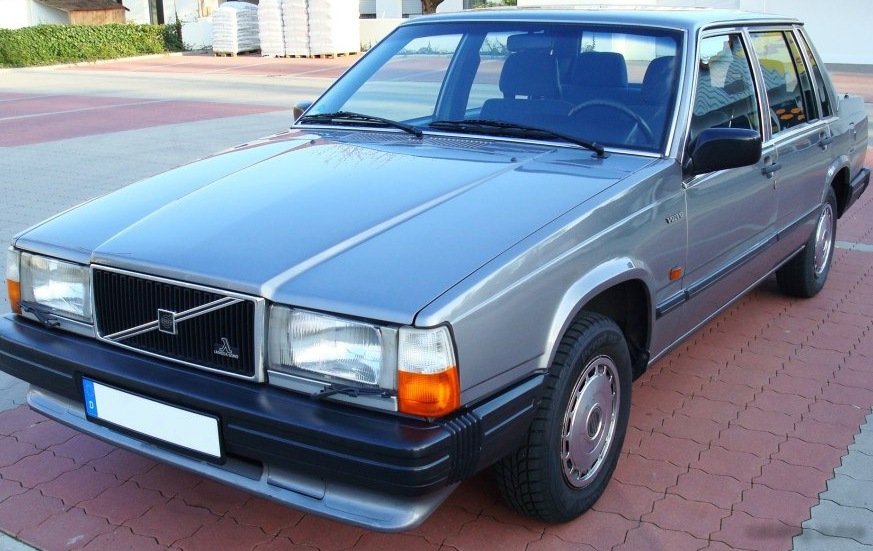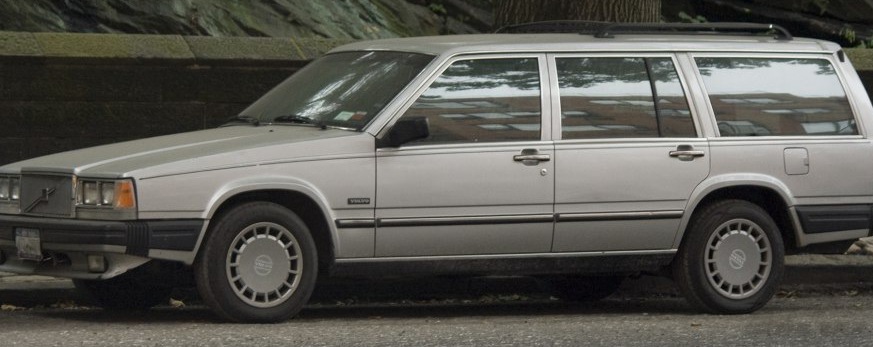
The Volvo 740 Combi, specifically the 745 variant with the 2.0-liter engine producing 112 horsepower, represents a pivotal point in Volvo’s history. Produced from 1989 to 1990, this model occupied a middle ground within the 740 series, offering a balance between practicality, affordability, and Volvo’s renowned safety standards. It was part of the broader 700/900 series, known for its robust construction and longevity, and the 745 Combi (estate) body style was particularly popular in Europe as a family vehicle. This variant aimed to provide a more accessible entry point into the 740 range compared to the more powerful turbocharged models, while still delivering the core Volvo experience.
Technical Specifications
| Brand | Volvo |
| Model | 740 |
| Generation | 740 Combi (745) |
| Type (Engine) | 2.0 (112 Hp) |
| Start of Production | 1989 |
| End of Production | 1990 |
| Powertrain Architecture | Internal Combustion Engine |
| Body Type | Station Wagon (Estate) |
| Seats | 5 |
| Doors | 5 |
| Fuel Type | Petrol (Gasoline) |
| Power | 112 Hp |
| Engine Aspiration | Naturally Aspirated |
| Engine Oil Capacity | 3.85 l / 4.07 US qt / 3.39 UK qt |
| Fuel Tank Capacity | 60 l / 15.85 US gal / 13.2 UK gal |
Powertrain & Engine Architecture
The heart of the 745 2.0 is Volvo’s B200F engine, a 1,986 cc (121.1 cu in) inline-four cylinder. This engine is a naturally aspirated, overhead valve (OHV) design, a relatively conservative choice for the late 1980s but one that prioritized reliability and ease of maintenance. Fuel delivery is managed by Bosch mechanical fuel injection – specifically the K-Jetronic system. This system, while not as sophisticated as later electronic fuel injection, was known for its durability and consistent performance. The B200F features a cast iron block and an aluminum cylinder head, contributing to its robustness. The engine produces 112 horsepower at 5,200 rpm and 138 lb-ft of torque at 3,500 rpm. The transmission paired with this engine was typically a four-speed automatic, although a five-speed manual was also available. The automatic transmission, a Borg-Warner unit, was chosen to provide ease of use, particularly appealing to families and drivers prioritizing comfort over sporty performance.
Driving Characteristics
The 745 2.0 automatic offered a comfortable, if not particularly exhilarating, driving experience. Acceleration was adequate for everyday driving, with a 0-60 mph time estimated around 12-13 seconds. The automatic transmission, while smooth, did detract from the engine’s available power, resulting in a noticeable delay in response. Gear ratios were geared towards fuel efficiency and cruising comfort rather than rapid acceleration. Compared to the turbocharged 740 models, the 2.0 felt significantly less powerful, but it also offered better fuel economy. The manual transmission version of the 2.0 offered a more engaging driving experience, allowing drivers to better utilize the engine’s torque, but the automatic was the more popular choice for the target demographic.
Equipment & Trim Levels
The 745 2.0 typically came with a fairly standard level of equipment for the time. Base models included cloth upholstery, a basic stereo system, and manual windows and door locks. Power steering was often included, but air conditioning was frequently an optional extra. Higher trim levels, such as the SE, added features like electric windows, central locking, and upgraded interior trim. The interior design was typically functional and understated, reflecting Volvo’s focus on practicality and durability. Safety features were a key selling point, and even base models included features like three-point seatbelts for all occupants and a reinforced safety cage.
Chassis & Braking
The 745 2.0 utilized a MacPherson strut front suspension and a solid axle rear suspension. This setup provided a comfortable ride, although it wasn’t particularly sporty. The rear axle was often equipped with a stabilizer bar to reduce body roll. Braking was typically accomplished with disc brakes on the front wheels and drum brakes on the rear. This configuration was common for vehicles in this price range during the late 1980s. The braking system was adequate for everyday use, but lacked the stopping power of more modern systems. The chassis was built with a focus on strength and durability, contributing to the 740’s reputation for longevity.
Market Reception & Comparison
The 745 2.0 was generally well-received by critics as a practical and reliable family car. It wasn’t praised for its performance, but it was lauded for its safety, spaciousness, and build quality. Compared to other station wagons of the time, such as the Ford Sierra Estate or the Opel/Vauxhall Astra Estate, the 745 offered a more premium feel and a stronger emphasis on safety. The 2.0-liter engine provided reasonable fuel economy, although it wasn’t class-leading. The automatic transmission was seen as a convenient feature, but some reviewers noted its impact on performance. Compared to the turbocharged 740 models, the 2.0 was significantly more affordable, making it accessible to a wider range of buyers.
Legacy
The Volvo 740 series, and the 745 2.0 in particular, has developed a strong following among enthusiasts and classic car collectors. The B200F engine is known for its exceptional durability and relatively simple maintenance requirements. Parts availability remains good, making it a relatively easy car to keep on the road. The 745’s reputation for safety and reliability has ensured its continued popularity in the used car market. While not a performance icon, the 745 2.0 represents a well-built, practical, and safe family car from a bygone era, and remains a testament to Volvo’s engineering prowess. Today, well-maintained examples command respectable prices, particularly those with low mileage and a complete service history.