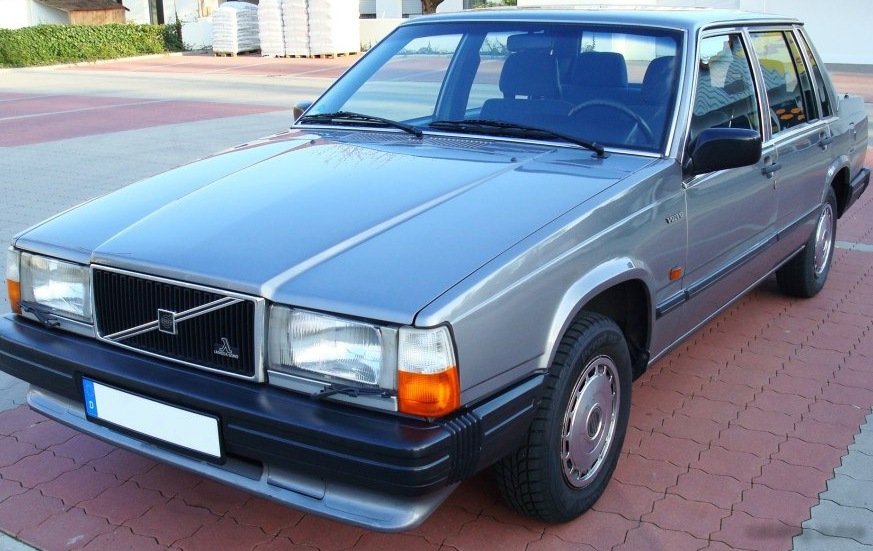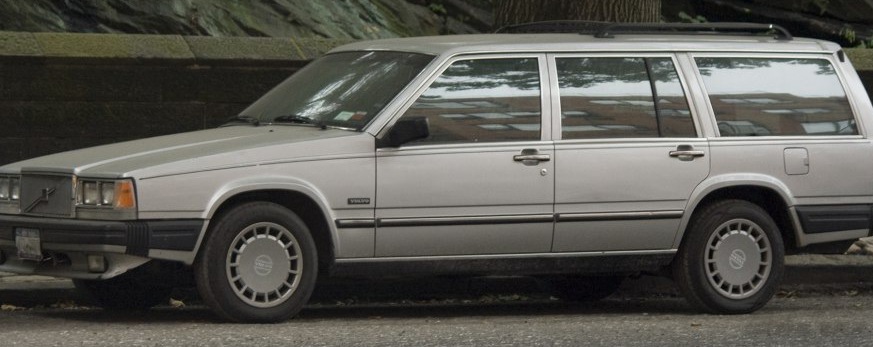
The Volvo 740 Combi, specifically the 745 variant with the 2.3-liter engine producing 113 horsepower, represents a significant chapter in Volvo’s long-standing reputation for building safe, durable, and practical vehicles. Produced from 1985 to 1989, this iteration of the 740 series occupied a middle ground within the lineup, offering a balance between affordability, space, and reasonable performance. It was part of the broader 700 series (720, 740, 760, 780) which fundamentally reshaped Volvo’s image and cemented its position as a maker of premium, family-oriented automobiles. The 745, in particular, became synonymous with the practical estate car, beloved by families and outdoor enthusiasts alike.
Technical Specifications
| Brand | Volvo |
| Model | 740 |
| Generation | 740 Combi (745) |
| Type (Engine) | 2.3 (113 Hp) |
| Start of production | 1985 |
| End of production | 1989 |
| Powertrain Architecture | Internal Combustion engine |
| Body type | Station wagon (estate) |
| Seats | 5 |
| Doors | 5 |
| Fuel Type | Petrol (Gasoline) |
| Power | 113 Hp |
| Engine Model/Code | B230F |
| Engine aspiration | Naturally aspirated engine |
| Engine oil capacity | 3.9 l (4.12 US qt | 3.43 UK qt) |
| Coolant capacity | 8.5 l (8.98 US qt | 7.48 UK qt) |
| Fuel tank capacity | 60 l (15.85 US gal | 13.2 UK gal) |
Powertrain & Engine Architecture
The heart of the 745 2.3 was the B230F engine, a 2.3-liter inline-four cylinder powerplant. This engine was a cornerstone of Volvo’s engineering during the 1980s and early 1990s, known for its robustness and relatively simple design. It featured a cast iron block and an aluminum cylinder head, contributing to its durability. Fuel delivery was handled by Bosch mechanical fuel injection – a system chosen for its reliability and relative simplicity compared to emerging electronic fuel injection systems. The B230F utilized a single overhead camshaft (SOHC) valvetrain, operating two valves per cylinder. While not particularly high-revving, the engine produced a respectable 113 horsepower and approximately 135 lb-ft of torque. This torque, delivered relatively low in the rev range, made the 745 a capable hauler, even when fully loaded.
Volvo offered a variety of transmissions with the 740, including both manual and automatic options. The 745 2.3 was frequently paired with a four-speed automatic transmission, designated AW71. This transmission, while not known for its sporty responsiveness, provided smooth and comfortable shifts, perfectly suited to the car’s intended purpose as a family vehicle. The automatic transmission contributed to a more relaxed driving experience, particularly in city traffic.
Driving Characteristics
The 745 2.3 with the automatic transmission wasn’t designed for outright speed. Acceleration from 0 to 60 mph took around 11-12 seconds, which was adequate for the era but certainly not exhilarating. The focus was on usability and comfort. The automatic transmission’s gear ratios were geared towards fuel efficiency and smooth cruising rather than rapid acceleration. The engine’s torque, however, meant that the car felt reasonably responsive in everyday driving situations, such as merging onto highways or overtaking slower traffic. Compared to the manual transmission versions, the automatic 745 felt slightly less engaging, but it offered a more relaxed and convenient driving experience. Compared to the later 740 Turbo models, the 2.3 was significantly less powerful, but also less prone to turbocharger-related issues and generally more fuel-efficient.
Equipment & Trim Levels
The 745 2.3 typically came with a fairly comprehensive list of standard features for the time. These included power steering, front disc brakes, and comfortable cloth upholstery. Trim levels varied depending on the market, but generally, the 745 2.3 occupied a mid-range position. Optional extras included a sunroof, air conditioning, power windows, and upgraded audio systems. The interior was characterized by its functional design and durable materials. Volvo prioritized safety, and even base models included features like three-point seatbelts for all occupants and a reinforced safety cage.
Chassis & Braking
The 745 featured a robust chassis with independent suspension at the front and a solid rear axle. The front suspension utilized MacPherson struts, while the rear employed a coil-sprung live axle. This setup provided a comfortable ride, although it wasn’t particularly sporty. Braking was handled by disc brakes at the front and drum brakes at the rear. While adequate for most driving conditions, the rear drum brakes were a point of criticism compared to the all-disc setups found on some higher-spec models. A stabilizer bar was fitted to the front suspension to reduce body roll during cornering.
Market Reception & Comparison
The Volvo 745 2.3 was generally well-received by automotive critics. It was praised for its practicality, safety, and durability. The automatic transmission was seen as a good match for the car’s intended purpose, providing a comfortable and convenient driving experience. Fuel economy was respectable for the time, averaging around 22-26 mpg. Compared to other trims in the 740 lineup, such as the 740 Turbo, the 2.3 offered a more affordable entry point and lower running costs. However, it lacked the performance of the turbocharged models. Compared to competitors like the Audi 80 Avant or BMW 3 Series Touring, the 745 was often seen as being more rugged and practical, but less refined in terms of driving dynamics.
Legacy
The Volvo 745 2.3 has proven to be a remarkably durable vehicle. Many examples are still on the road today, a testament to Volvo’s engineering and build quality. The B230F engine is known for its longevity, and with proper maintenance, it can easily exceed 200,000 miles. The automatic transmission, while not as sophisticated as modern units, is also relatively reliable. In the used car market, the 745 2.3 is valued for its practicality, affordability, and classic Volvo charm. It remains a popular choice for those seeking a safe, reliable, and spacious estate car with a touch of retro appeal. Its enduring popularity has also fostered a dedicated community of enthusiasts who continue to restore and maintain these iconic vehicles.