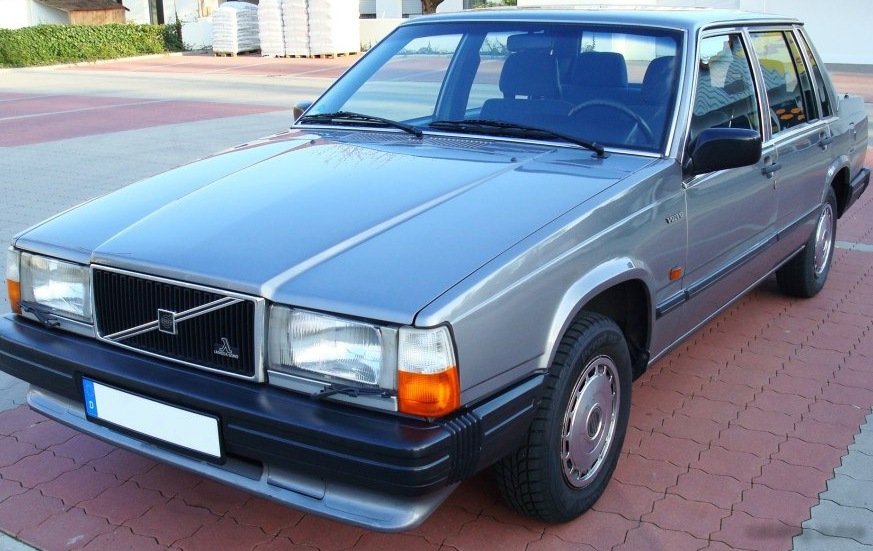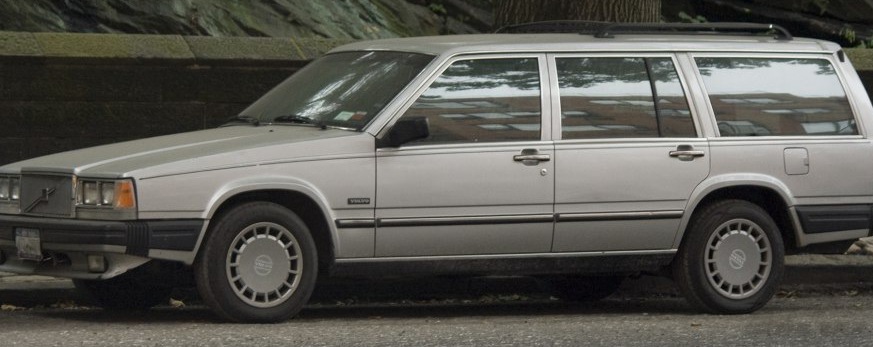
The Volvo 740 Combi, specifically the 745 variant with the 2.3-liter engine producing 114 horsepower, represents a significant chapter in Volvo’s long-standing reputation for building safe, durable, and practical vehicles. Produced from 1985 to 1990, this iteration of the 740 series occupied a middle ground within the lineup, offering a balance between affordability, space, and reasonable performance. It was part of the broader 700 series (720, 740, 760, 780) which fundamentally reshaped Volvo’s image and cemented its position as a maker of premium, family-oriented automobiles. The 745, denoting the five-door wagon configuration, was particularly popular in Europe where the demand for practical estate cars was high, but also found a dedicated following in North America.
Technical Specifications
| Brand | Volvo |
| Model | 740 |
| Generation | 740 Combi (745) |
| Type (Engine) | 2.3 (114 Hp) |
| Start of production | 1985 |
| End of production | 1990 |
| Powertrain Architecture | Internal Combustion engine |
| Body type | Station wagon (estate) |
| Seats | 5 |
| Doors | 5 |
| Fuel Type | Petrol (Gasoline) |
| Power | 114 Hp |
| Engine Model/Code | B230F |
| Engine aspiration | Naturally aspirated engine |
| Engine oil capacity | 3.9 l (4.12 US qt | 3.43 UK qt) |
| Coolant capacity | 8.5 l (8.98 US qt | 7.48 UK qt) |
| Fuel tank capacity | 60 l (15.85 US gal | 13.2 UK gal) |
Powertrain & Engine Architecture
The heart of the 745 2.3 was the B230F engine, a 2.3-liter inline-four cylinder powerplant. This engine was a cornerstone of Volvo’s engineering philosophy during the 1980s and early 1990s – overbuilt for longevity and reliability. The B230F featured a cast iron block and an aluminum cylinder head, a common configuration for durability. It employed a Bosch K-Jetronic fuel injection system, a mechanical system known for its robustness, though less efficient than later electronic systems. The engine utilized a single overhead camshaft (SOHC) valvetrain with two valves per cylinder. While not a high-revving engine, the B230F produced a respectable 114 horsepower and approximately 136 lb-ft of torque. This power was delivered in a relatively flat curve, making it well-suited for everyday driving and hauling loads. The engine was typically paired with a four-speed automatic transmission, although a five-speed manual was also available. The automatic transmission, while providing convenience, did slightly diminish the car’s acceleration and fuel economy compared to the manual version.
Driving Characteristics
The 745 2.3 automatic offered a comfortable and predictable driving experience. Acceleration was adequate for merging onto highways and passing slower vehicles, but it wasn’t a particularly sporty car. The automatic transmission’s gear ratios were geared towards fuel efficiency and smooth cruising rather than rapid acceleration. The car’s weight, typical of Volvo’s construction standards, contributed to a feeling of solidity and stability on the road. Steering was relatively light, making it easy to maneuver in urban environments, but lacked the precision found in some contemporary European cars. The suspension, tuned for comfort, absorbed bumps and imperfections in the road well, providing a smooth ride for passengers. Compared to the turbocharged versions of the 740 (like the 740 Turbo), the 2.3 offered significantly less power and acceleration. However, it also benefited from greater fuel economy and reduced mechanical complexity. Against the diesel-powered 740s, the 2.3 provided a smoother, quieter, and more refined driving experience, albeit with lower fuel efficiency.
Equipment & Trim Levels
The 745 2.3 typically came with a fairly comprehensive list of standard features for its time. These included power steering, front disc brakes, and cloth upholstery. Depending on the market and optional packages, features like power windows, central locking, a sunroof, and upgraded audio systems were available. Interior trim levels varied, with higher-spec models offering more luxurious fabrics and woodgrain accents. The dashboard layout was functional and straightforward, prioritizing ease of use over flashy design. Safety features were, as always with Volvo, a priority. The 745 included features like a reinforced passenger safety cage, side impact protection systems (SIPS), and three-point seatbelts for all occupants.
Chassis & Braking
The 745 2.3 utilized a relatively conventional chassis design. It featured a MacPherson strut front suspension and a solid rear axle with leaf springs. The rear axle was a key element in the car’s load-carrying capacity, making it ideal for hauling cargo or towing small trailers. Braking was provided by disc brakes at the front and drum brakes at the rear. While the drum brakes were adequate for normal driving, they lacked the stopping power and fade resistance of disc brakes. A stabilizer bar was fitted to the front suspension to reduce body roll during cornering. The car’s overall weight distribution was fairly balanced, contributing to its stable handling characteristics.
Market Reception & Comparison
The Volvo 745 2.3 was generally well-received by automotive critics. It was praised for its practicality, safety, and durability. However, some reviewers noted its relatively modest performance and somewhat dated interior design. Compared to other wagons in its class, such as the Audi 80 Avant or the BMW 3 Series Touring, the 745 offered a more spacious interior and a more robust build quality. Fuel economy was reasonable for a car of its size and weight, but not class-leading. Reliability was a strong point, with the B230F engine proving to be exceptionally durable. The automatic transmission, while reliable, was sometimes criticized for its sluggishness.
Legacy
The Volvo 745 2.3, and the 740 Combi series as a whole, has achieved a cult following among enthusiasts. Its reputation for reliability and durability has made it a popular choice for restoration projects and everyday transportation. Parts availability remains relatively good, and the car’s simple mechanical design makes it relatively easy to maintain. Today, well-maintained examples of the 745 2.3 are sought after by collectors and enthusiasts who appreciate its classic Volvo styling and practical nature. The B230F engine, in particular, is highly regarded for its longevity and ability to withstand high mileage. The 745 stands as a testament to Volvo’s commitment to building safe, reliable, and practical vehicles that stand the test of time.