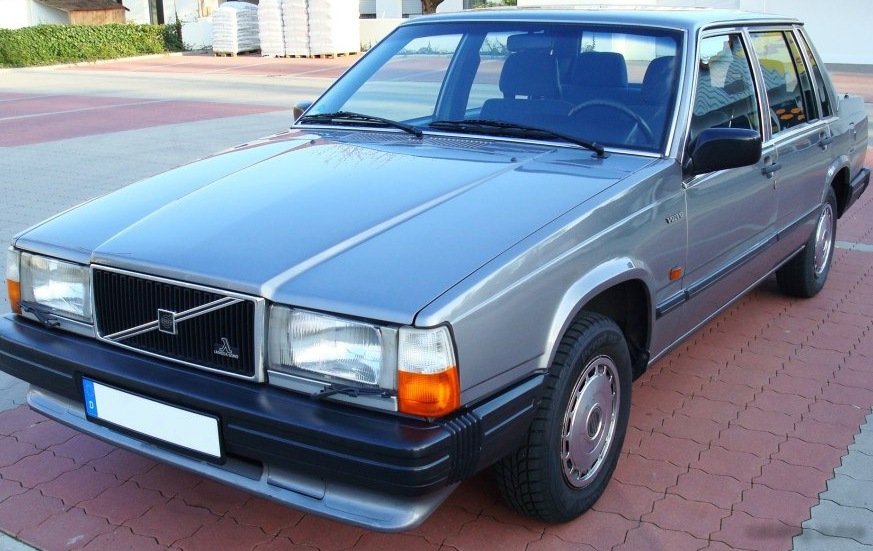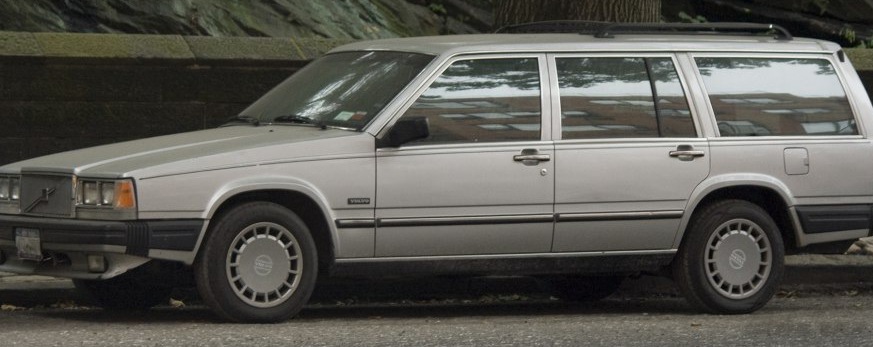
The Volvo 740 Combi, specifically the 745 variant with the 2.3-liter engine producing 131 horsepower, represents a significant chapter in Volvo’s long-standing reputation for building safe, durable, and practical vehicles. Produced from 1984 to 1988, this iteration of the 740 series occupied a middle ground within the lineup, offering a balance between affordability, space, and performance. It was part of the broader 700 series (720, 740, 760, 780) which fundamentally reshaped Volvo’s image and cemented its position as a maker of premium, family-oriented automobiles. The 745, denoting the five-door wagon configuration, was particularly popular in Europe where the demand for practical estate cars was high, but also found a dedicated following in North America.
Technical Specifications
| Brand | Volvo |
| Model | 740 |
| Generation | 740 Combi (745) |
| Type (Engine) | 2.3 (131 Hp) |
| Start of production | 1984 |
| End of production | 1988 |
| Powertrain Architecture | Internal Combustion engine |
| Body type | Station wagon (estate) |
| Seats | 5 |
| Doors | 5 |
| Fuel Type | Petrol (Gasoline) |
| Power | 131 Hp |
| Engine Model/Code | B230E |
| Engine aspiration | Naturally aspirated engine |
| Engine oil capacity | 3.85 l / 4.07 US qt / 3.39 UK qt |
| Coolant capacity | 9.3 l / 9.83 US qt / 8.18 UK qt |
| Fuel tank capacity | 60 l / 15.85 US gal / 13.2 UK gal |
Powertrain & Engine Architecture
The heart of the 745 2.3 was the B230E engine, a 2.3-liter inline-four cylinder powerplant. This engine was a cornerstone of Volvo’s engineering during the 1980s and early 1990s, known for its robustness and relatively simple design. It featured a cast iron block and an aluminum cylinder head, contributing to its durability. The B230E utilized Bosch K-Jetronic fuel injection, a mechanical system known for its reliability, though less efficient than later electronic systems. The engine employed a single overhead camshaft (SOHC) valvetrain with two valves per cylinder. While not a high-revving engine, the B230E delivered a broad torque curve, making it well-suited for hauling loads and providing relaxed cruising. The 131 horsepower was achieved at 5,200 rpm, with peak torque of approximately 130 lb-ft at 3,500 rpm. The transmission paired with this engine was typically a four-speed automatic, although a five-speed manual was also available. The automatic transmission, while providing convenience, did slightly diminish the car’s acceleration compared to the manual version.
Driving Characteristics
The 745 2.3 automatic offered a comfortable and composed driving experience. Acceleration was adequate for everyday driving, with a 0-60 mph time estimated around 11-12 seconds. The automatic transmission featured relatively widely spaced gear ratios, prioritizing fuel economy and smooth cruising over outright performance. The engine’s torque delivery meant that the car felt reasonably responsive in most situations, even when fully loaded. Compared to the more powerful 740 Turbo models, the 2.3 lacked the punch for quick overtaking maneuvers. However, it also offered better fuel economy and lower maintenance costs. Compared to the diesel-powered 740s, the 2.3 provided a smoother and quieter driving experience, albeit with lower fuel efficiency. The suspension, tuned for comfort, absorbed bumps well, making it a pleasant long-distance cruiser.
Equipment & Trim Levels
The 745 2.3 typically came with a fairly comprehensive list of standard features for its time. These included power steering, front disc brakes, and comfortable cloth upholstery. Higher trim levels, often denoted by “GL” or “GLE”, added features such as central locking, electric windows, a sunroof, and upgraded interior trim. Optional extras included air conditioning, a stereo system, and alloy wheels. The interior design was typically functional and understated, reflecting Volvo’s focus on practicality and safety. The dashboard layout was straightforward, with clearly labeled controls. The rear seats could be folded down to create a large, flat cargo area, enhancing the car’s versatility.
Chassis & Braking
The 745 2.3 utilized a robust chassis with independent front suspension and a solid rear axle. The front suspension featured MacPherson struts, while the rear employed a coil-sprung live axle. This setup provided a good balance between ride comfort and handling stability. Braking was initially provided by disc brakes at the front and drum brakes at the rear. Later models often featured disc brakes all around, improving stopping performance. The car’s relatively heavy weight (around 3,000 lbs) meant that the braking system needed to work hard, but it was generally considered adequate for the car’s performance capabilities. Stabilizer bars were fitted to both the front and rear axles to reduce body roll during cornering.
Market Reception & Comparison
The Volvo 745 2.3 was generally well-received by automotive critics. It was praised for its safety, practicality, and durability. However, some critics noted that the engine lacked the refinement and performance of some of its competitors. Compared to other wagons of the time, such as the Ford Sierra Estate or the Opel Ascona Caravan, the 745 offered a more premium feel and a stronger emphasis on safety. Fuel economy was reasonable for a car of its size and era, averaging around 22-26 mpg in mixed driving. Reliability was a strong point, with the B230E engine proving to be exceptionally durable. The 745 2.3 offered a compelling alternative to the more expensive and less practical sedan models.
Legacy
The Volvo 745 2.3, and the 740 Combi series as a whole, has achieved a cult following among enthusiasts. The B230E engine is renowned for its longevity and ability to withstand significant modifications. Today, well-maintained examples of the 745 2.3 are sought after by collectors and those looking for a classic Volvo with a reputation for reliability. Parts availability remains relatively good, although some trim-specific components can be difficult to find. The car’s simple mechanical design makes it relatively easy to maintain and repair, even for amateur mechanics. The 745 2.3 stands as a testament to Volvo’s commitment to building safe, durable, and practical vehicles that stand the test of time. It remains a popular choice for those seeking a classic wagon with a strong following and a reputation for dependability.