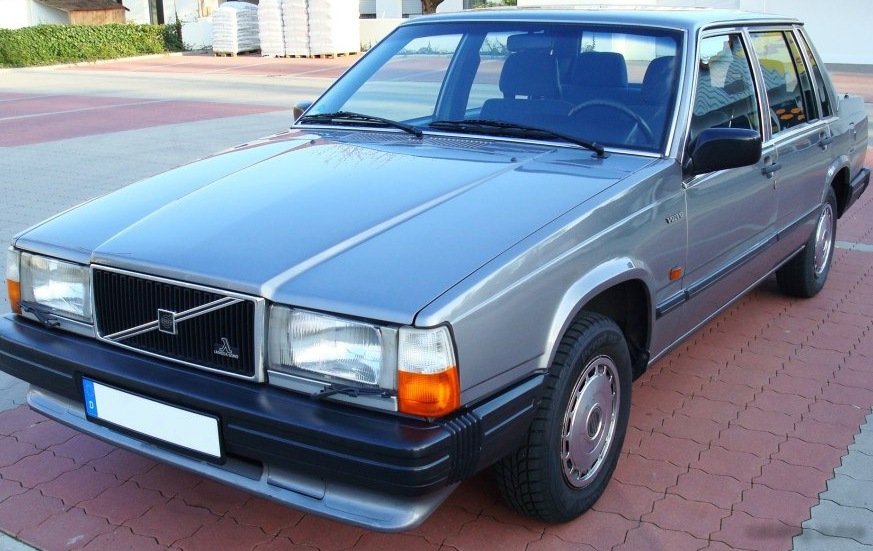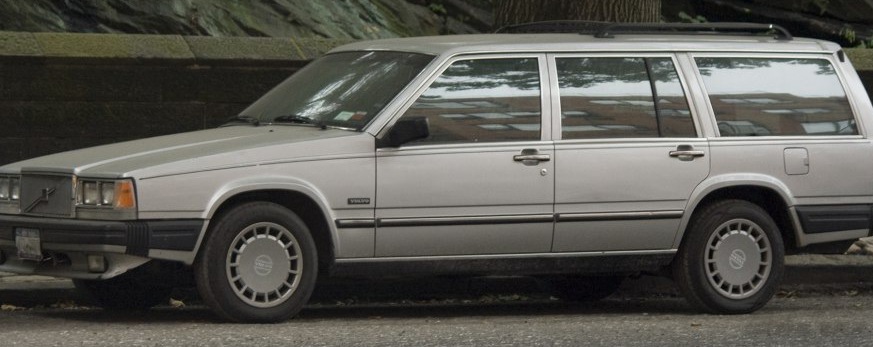
The Volvo 740 Combi (specifically the 745 variant) with the 2.3-liter, 136 horsepower engine represents a sweet spot in the final years of the iconic 700/900 series. Produced from 1989 through 1990, this configuration offered a blend of practicality, durability, and reasonable performance that appealed to families and those needing a robust, all-weather vehicle. It sat within the broader 740 Combi range as a mid-range offering, positioned above the lower-powered 2.0-liter models but below the turbocharged variants. The 745, denoting the five-door wagon body style, was a cornerstone of Volvo’s reputation for safety and longevity.
Technical Specifications
| Brand | Volvo |
| Model | 740 |
| Generation | 740 Combi (745) |
| Type (Engine) | 2.3 (136 Hp) |
| Start of production | 1989 |
| End of production | 1990 |
| Powertrain Architecture | Internal Combustion engine |
| Body type | Station wagon (estate) |
| Seats | 5 |
| Doors | 5 |
| Fuel Type | Petrol (Gasoline) |
| Power | 136 Hp |
| Engine aspiration | Naturally aspirated engine |
| Engine oil capacity | 3.85 l / 4.07 US qt / 3.39 UK qt |
| Fuel tank capacity | 60 l / 15.85 US gal / 13.2 UK gal |
Powertrain & Engine Architecture
The heart of the 745 2.3 was Volvo’s red-block four-cylinder engine, specifically the B230F variant. This engine was a robust, oversquare design with a cast iron block and an aluminum cylinder head. It featured a single overhead camshaft (SOHC) operating two valves per cylinder. Fuel delivery was handled by Bosch mechanical fuel injection – a system known for its reliability, though less sophisticated than later multi-point injection systems. The B230F produced 136 horsepower at 5,200 rpm and 130 lb-ft of torque at 3,700 rpm. This engine was known for its smooth operation and willingness to rev, though it wasn’t particularly high-strung. The engine was typically paired with a four-speed automatic transmission (AW71), sourced from Aisin-Warner. This transmission was a hydraulic control unit type, offering smooth shifts but lacking the responsiveness of more modern electronically controlled automatics. The automatic transmission was a key factor in the 745 2.3’s appeal to buyers prioritizing comfort and ease of driving.
Driving Characteristics
The 745 2.3 with the automatic transmission delivered a comfortable and predictable driving experience. Acceleration was adequate for everyday driving, with a 0-60 mph time estimated around 11-12 seconds. While not sporty, the engine provided sufficient power for highway cruising and overtaking. The automatic transmission’s gear ratios were geared towards fuel economy and smooth operation, rather than outright performance. Compared to the five-speed manual version, the automatic felt noticeably slower, particularly in kickdown situations. However, the automatic offered a more relaxed driving experience, especially in city traffic. The 745’s suspension, consisting of MacPherson struts in the front and a solid axle with coil springs in the rear, provided a comfortable ride, absorbing bumps and imperfections in the road well. The steering was relatively light and precise, making the car easy to maneuver.
Equipment & Trim Levels
The 745 2.3 typically came with a reasonable level of standard equipment. This included power steering, front disc brakes, cloth upholstery, and a basic stereo system. Higher trim levels, often denoted by suffixes like ‘LE’ or ‘GL’, added features such as power windows, power door locks, a sunroof, and upgraded interior trim. Optional extras included leather upholstery, air conditioning, and a more sophisticated audio system. The interior design was typically functional and durable, with a focus on ergonomics and practicality. The dashboard layout was straightforward, with clearly labeled controls. The rear seats were spacious and comfortable, and the large cargo area offered ample storage space. The 745 was renowned for its versatility, easily accommodating passengers and cargo alike.
Chassis & Braking
The 745’s chassis was a robust unibody construction, designed for durability and safety. The front suspension utilized MacPherson struts, while the rear employed a solid axle with coil springs. This setup provided a good balance of ride comfort and handling. Braking was initially provided by disc brakes in the front and drum brakes in the rear. Later models often featured disc brakes all around, improving stopping performance. The braking system was hydraulically assisted and offered adequate stopping power for the vehicle’s weight and performance. Stabilizer bars were fitted to both the front and rear axles, helping to reduce body roll during cornering. The 745’s tires were typically 175/70R15 or 185/65R15, providing good grip in a variety of weather conditions.
Market Reception & Comparison
The 745 2.3 Automatic was generally well-received by critics and buyers alike. It was praised for its practicality, durability, and safety features. While not the fastest or most exciting wagon on the market, it offered a compelling combination of attributes that appealed to a wide range of customers. Compared to the turbocharged 740 models, the 2.3 was less expensive to purchase and maintain, making it a more accessible option for many buyers. Fuel economy was reasonable for the time, averaging around 20-25 mpg in mixed driving. The 2.3 also proved to be more reliable than the turbocharged variants, which were prone to occasional issues with their turbochargers and fuel systems. Against competitors like the Audi 80 Avant and BMW 3 Series Touring, the 745 offered a more spacious interior and a reputation for exceptional longevity.
Legacy
The Volvo 745 2.3 Automatic has earned a reputation as a remarkably durable and reliable vehicle. Many examples are still on the road today, a testament to Volvo’s engineering and build quality. The B230F engine is known for its ability to withstand high mileage with proper maintenance. The automatic transmission, while not the most sophisticated, is also generally reliable. In the used car market, these 745s are sought after by enthusiasts and those looking for a practical and dependable vehicle. Parts availability is generally good, and the car’s simple mechanical design makes it relatively easy to repair. The 745 2.3 Automatic represents a high point in Volvo’s history, embodying the brand’s commitment to safety, durability, and practicality. It remains a popular choice for those seeking a classic Volvo wagon that can provide years of reliable service.