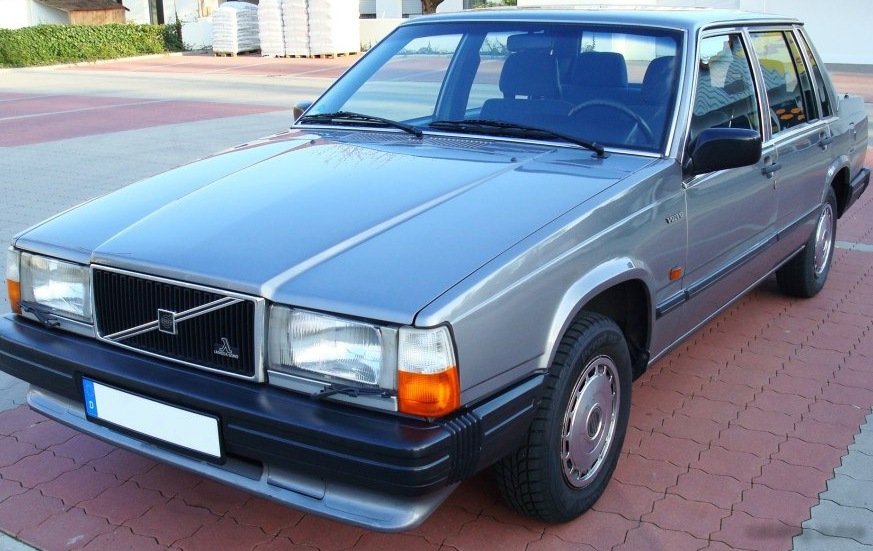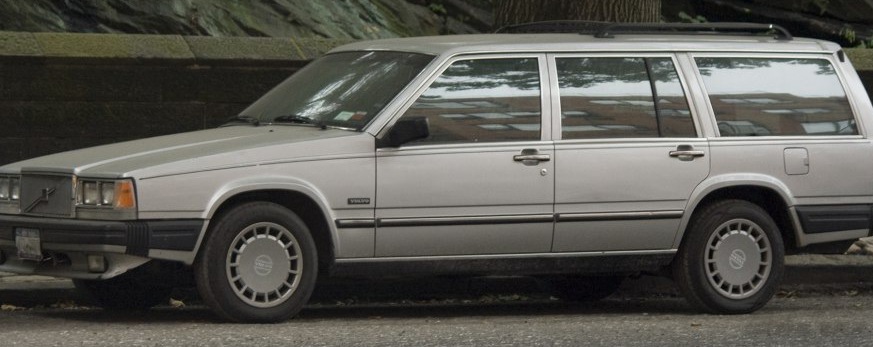
The Volvo 740 Combi, specifically the 745 variant with the 2.3-liter engine producing 151 horsepower, represented a high point in Volvo’s long-standing reputation for building safe, durable, and practical wagons. Produced from 1989 through 1990, this iteration of the 740 series sat near the top of the range, offering a significant step up in performance from the base models while retaining the core values of comfort and reliability that defined the Volvo brand. It was part of the broader 700/900 series, which spanned from 1982 to 1998, and is particularly remembered for its robust construction and longevity. The 745, with its five doors and spacious interior, was a popular choice for families and those needing a versatile vehicle capable of handling both daily commutes and substantial cargo.
Technical Specifications
| Brand | Volvo |
| Model | 740 |
| Generation | 740 Combi (745) |
| Type (Engine) | 2.3 (151 Hp) |
| Start of Production | 1989 |
| End of Production | 1990 |
| Powertrain Architecture | Internal Combustion Engine |
| Body Type | Station Wagon (Estate) |
| Seats | 5 |
| Doors | 5 |
| Fuel Type | Petrol (Gasoline) |
| Power | 151 Hp |
| Engine Aspiration | Naturally Aspirated |
| Engine Oil Capacity | 3.85 l / 4.07 US qt / 3.39 UK qt |
| Fuel Tank Capacity | 60 l / 15.85 US gal / 13.2 UK gal |
Powertrain & Engine Architecture
The heart of the 745 2.3 was Volvo’s red-block four-cylinder engine, specifically the B230F variant. This engine was a robust and over-engineered design, known for its ability to withstand high mileage and relatively simple maintenance requirements. The 2.3-liter displacement was achieved through a relatively long stroke and a moderate bore, contributing to its strong low-end torque. Fuel delivery was handled by Bosch mechanical fuel injection – a system chosen for its reliability and simplicity, though less sophisticated than later electronic fuel injection systems. The engine featured a cast iron block and an aluminum cylinder head, a common configuration for durability. The valvetrain employed a single overhead camshaft (SOHC) design with two valves per cylinder. While not a high-revving engine, the B230F delivered a broad torque curve, making it well-suited for everyday driving and hauling loads. The 745 2.3 was typically paired with a four-speed automatic transmission (AW71), known for its smooth operation and durability. This transmission was a common choice for buyers prioritizing comfort and ease of use over outright performance.
Driving Characteristics
The 745 2.3 with the automatic transmission offered a comfortable and relaxed driving experience. Acceleration was adequate for the time, with 0-60 mph times estimated around 9-10 seconds. However, it wasn’t a particularly sporty vehicle. The automatic transmission, while smooth, did sap some power compared to the available five-speed manual. The gear ratios were geared towards fuel efficiency and cruising comfort rather than rapid acceleration. The engine’s strong low-end torque meant that it felt responsive around town, and it could handle highway speeds with ease. Compared to the base 740 models with smaller engines, the 2.3 offered a noticeable improvement in performance, particularly when fully loaded with passengers or cargo. Compared to the later turbocharged Volvo models, the 2.3 was significantly less powerful, but it offered a more predictable and linear power delivery.
Equipment & Trim Levels
The 745 2.3 typically came well-equipped for its era, reflecting Volvo’s commitment to safety and comfort. Standard features included power steering, front disc brakes, and comfortable cloth upholstery. The interior was characterized by its functional design and durable materials. Higher trim levels offered options such as leather upholstery, power windows and locks, a sunroof, and upgraded audio systems. The dashboard layout was straightforward and easy to use, with clearly marked controls. The 745 also featured Volvo’s renowned safety features, including a reinforced passenger safety cage, side impact protection systems (SIPS), and three-point seatbelts for all occupants. The specific trim level could vary depending on the market, but generally, the 2.3 represented a mid-to-upper level offering within the 740 range.
Chassis & Braking
The 745 featured a robust chassis with independent front suspension using MacPherson struts and a solid rear axle with coil springs. This suspension setup provided a comfortable ride and good handling characteristics, although it wasn’t particularly sporty. The rear suspension was designed to handle heavy loads, making it ideal for carrying cargo. Braking was initially provided by front disc brakes and rear drum brakes, although later models often featured rear disc brakes as standard equipment. The braking system was generally effective, but it lacked the sophistication of more modern anti-lock braking systems (ABS), which were available as an option on some models. Stabilizer bars were fitted to both the front and rear axles to reduce body roll during cornering.
Market Reception & Comparison
The Volvo 745 2.3 was generally well-received by critics and consumers alike. It was praised for its safety, reliability, and practicality. While not the fastest wagon on the market, it offered a good balance of performance, comfort, and fuel economy. Compared to other wagons of the time, such as the Ford Sierra Estate or the Opel/Vauxhall Caravan, the 745 was often seen as being more refined and better built. Its fuel economy was respectable for a vehicle of its size and engine displacement, typically achieving around 20-25 mpg in mixed driving. Reliability was a major strength, with many 745s exceeding 200,000 miles with proper maintenance. The automatic transmission, while not as fuel-efficient as the manual, was a popular choice for buyers who prioritized ease of use.
Legacy
The Volvo 745 2.3 has developed a strong following among enthusiasts and classic car collectors. Its reputation for durability and reliability has ensured that many examples are still on the road today. The B230F engine is particularly well-regarded for its ability to be modified and upgraded. Parts availability remains relatively good, although some trim-specific components can be difficult to find. In the used car market, well-maintained 745 2.3s command a premium price, reflecting their desirability and rarity. The 745 continues to be appreciated for its timeless design, spacious interior, and overall practicality, solidifying its place as a classic Volvo wagon.