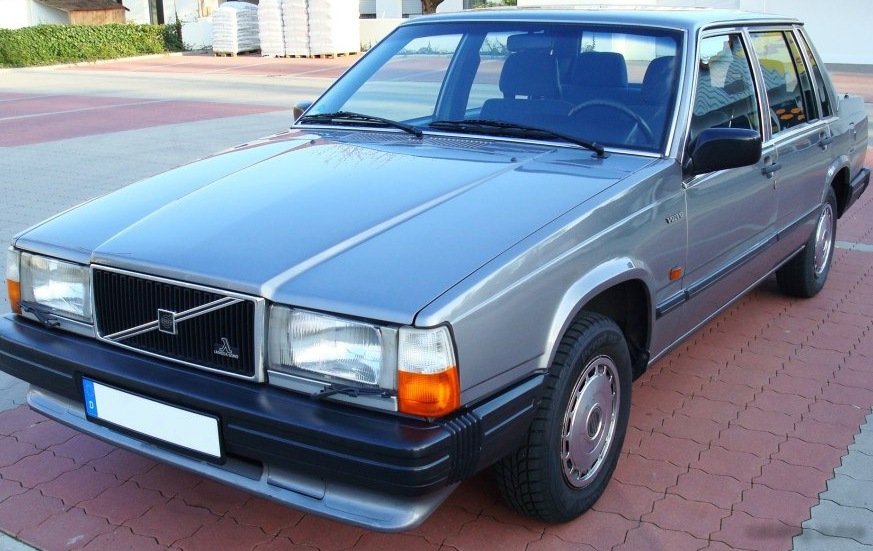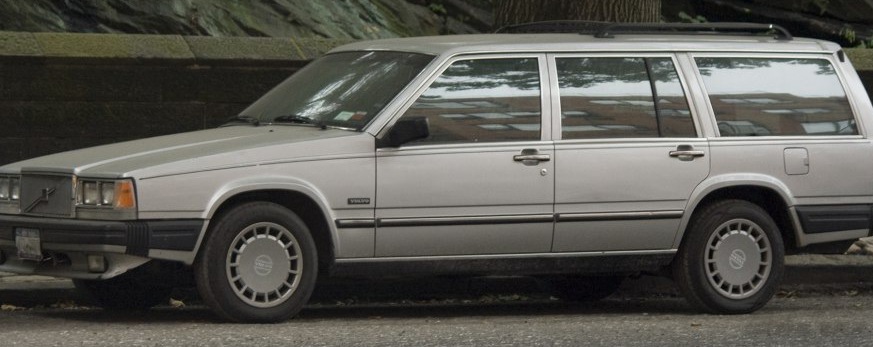
The Volvo 740 Combi (specifically the 745 model) with the 2.3-liter turbocharged engine producing 156 horsepower was a significant offering from Volvo between 1986 and 1989. This variant occupied a premium position within the 740 series, representing a blend of practicality, performance, and Volvo’s renowned safety features. It was built upon the foundation of the 740/760 series, known for its robust construction and longevity, and aimed at buyers seeking a versatile vehicle capable of both family duties and spirited driving. The 745, denoting the five-door wagon configuration, was particularly popular in Europe where estate cars held a strong market share, but also found a dedicated following in North America.
Technical Specifications
| Brand | Volvo |
| Model | 740 Combi (745) |
| Generation | 740 Combi (745) |
| Type (Engine) | 2.3 Turbo (156 Hp) |
| Start of production | 1986 |
| End of production | 1989 |
| Powertrain Architecture | Internal Combustion engine |
| Body type | Station wagon (estate) |
| Seats | 5 |
| Doors | 5 |
| Fuel Type | Petrol (Gasoline) |
| Power | 156 Hp |
| Engine Model/Code | B230FT |
| Engine aspiration | Turbocharger |
| Engine oil capacity | 4.5 l (4.76 US qt | 3.96 UK qt) |
| Coolant capacity | 9.3 l (9.83 US qt | 8.18 UK qt) |
| Fuel tank capacity | 60 l (15.85 US gal | 13.2 UK gal) |
Powertrain & Engine Architecture
The heart of the 745 2.3 Turbo was the B230FT engine, a 2.3-liter inline-four cylinder powerplant. This engine was a further development of Volvo’s well-established ‘Redblock’ family, known for its over-engineered durability. The ‘FT’ designation signified the factory turbocharger installation. The B230FT utilized a Garrett turbocharger, boosting the engine’s output significantly compared to the naturally aspirated versions. Fuel delivery was managed by Bosch mechanical fuel injection – a system known for its reliability, though less sophisticated than later electronic systems. The engine featured a cast iron block and an aluminum cylinder head, contributing to its robustness. The valvetrain employed a single overhead camshaft (SOHC) design with two valves per cylinder. While not the most modern configuration, it proved exceptionally reliable and easy to maintain. The turbocharger itself was an integral part of the engine’s design, with Volvo incorporating features like an intercooler to reduce intake air temperatures and improve efficiency. The engine was typically paired with a four-speed automatic transmission (AW71) sourced from Aisin-Warner, offering smooth shifts but not particularly quick acceleration.
Driving Characteristics
The 745 2.3 Turbo offered a noticeable step up in performance compared to the naturally aspirated 740 models. The 156 horsepower and 173 lb-ft of torque provided brisk acceleration, especially considering the vehicle’s weight. The automatic transmission, while comfortable, did detract somewhat from the engine’s potential. Gear ratios were geared towards cruising comfort rather than outright performance, resulting in a 0-60 mph time of around 8.5-9.5 seconds – respectable for the late 1980s, but slower than the manual transmission equipped versions. The turbocharger did exhibit some lag, typical of systems of that era, but once spooled up, provided a strong surge of power. Handling was safe and predictable, typical of Volvo’s engineering philosophy. The suspension was tuned for comfort, absorbing bumps well, but body roll was noticeable during aggressive cornering. The steering was relatively heavy, providing good feedback, but requiring some effort at low speeds.
Equipment & Trim Levels
The 745 2.3 Turbo generally represented a well-equipped trim level. Standard features typically included power steering, central locking, electric windows, and a basic stereo system. Interior upholstery was usually a durable cloth, though leather options were available. The dashboard layout was functional and straightforward, with clearly marked gauges and controls. Optional extras included a sunroof, upgraded stereo systems, and heated front seats. The 745 also benefited from Volvo’s commitment to safety, featuring standard anti-lock brakes (ABS) and reinforced body structure. The trim level often included nicer interior trim pieces and exterior detailing compared to the base models.
Chassis & Braking
The 745 2.3 Turbo utilized a robust chassis with independent suspension at the front and a solid rear axle. The front suspension employed MacPherson struts, while the rear featured a coil-sprung live axle. Stabilizer bars were fitted to both the front and rear axles to reduce body roll. Braking was provided by disc brakes at the front and drum brakes at the rear – a common configuration for vehicles of this era. The ABS system, standard on the Turbo model, significantly improved braking performance, particularly on slippery surfaces. The chassis was designed for durability and longevity, capable of handling the increased power of the turbocharged engine.
Market Reception & Comparison
The 745 2.3 Turbo was generally well-received by automotive critics. It was praised for its blend of practicality, performance, and safety. However, some reviewers noted the automatic transmission as a limiting factor, preferring the more engaging experience of the manual gearbox. Compared to other turbocharged wagons of the time, such as the Audi 80 Quattro, the Volvo offered a more understated and practical approach. Fuel economy was reasonable for a turbocharged vehicle, averaging around 20-25 mpg in mixed driving. Reliability was a strong point, with the B230FT engine proving to be exceptionally durable. The 745 Turbo was positioned above the naturally aspirated 740 models and below the more luxurious 760 series, offering a compelling value proposition for buyers seeking a versatile and capable wagon.
Legacy
The Volvo 745 2.3 Turbo has developed a strong following among enthusiasts. The B230FT engine is known for its tunability and ability to handle significant power upgrades. The robust construction of the 740 series ensures that many examples are still on the road today. While maintenance can be required due to the vehicle’s age, parts availability is generally good. The 745 Turbo remains a popular choice for those seeking a classic Volvo wagon that offers a unique blend of performance, practicality, and Scandinavian design. In the used car market, well-maintained examples command a premium, reflecting their enduring appeal and reputation for reliability. The 745 Turbo represents a high point in Volvo’s wagon heritage, and a testament to the company’s commitment to building durable and safe vehicles.