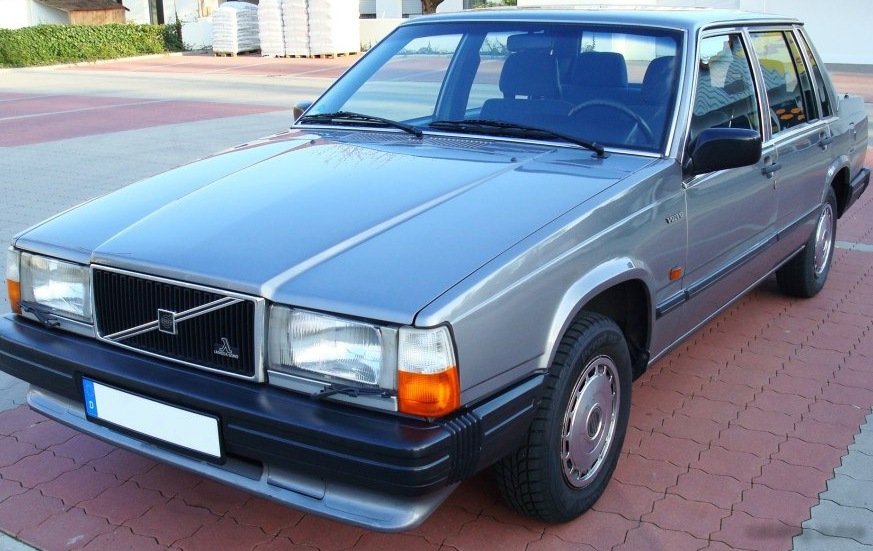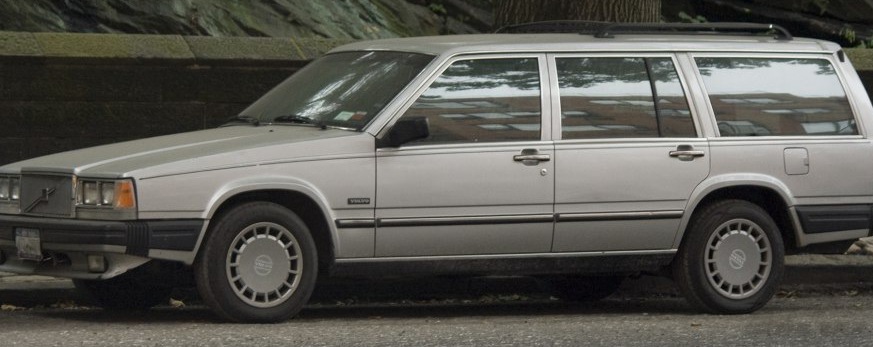
The Volvo 740 Combi (specifically the 745 model) with the 2.3-liter turbocharged engine producing 165 horsepower was a short-lived but significant variant of Volvo’s popular estate car, produced from 1989 to 1990. It represented a performance-oriented option within the 740 series, offering a blend of practicality, durability, and respectable speed. This model sat towards the upper end of the 740 range, positioned as a more engaging alternative to the naturally aspirated engines while remaining below the more expensive and focused 780 Turbo coupe.
Technical Specifications
| Brand | Volvo |
| Model | 740 Combi (745) |
| Generation | 740 Combi (745) |
| Type (Engine) | 2.3 Turbo (165 Hp) |
| Start of Production | 1989 |
| End of Production | 1990 |
| Powertrain Architecture | Internal Combustion Engine |
| Body Type | Station Wagon (Estate) |
| Seats | 5 |
| Doors | 5 |
| Fuel Type | Petrol (Gasoline) |
| Power | 165 Hp |
| Engine Model/Code | B230FT |
| Engine Aspiration | Turbocharger |
| Engine Oil Capacity | 4.5 l (4.76 US qt | 3.96 UK qt) |
| Coolant Capacity | 9.3 l (9.83 US qt | 8.18 UK qt) |
| Fuel Tank Capacity | 60 l (15.85 US gal | 13.2 UK gal) |
Powertrain & Engine Architecture
The heart of the 745 2.3 Turbo was the B230FT engine, a 2.3-liter inline-four cylinder powerplant. This engine was a development of Volvo’s well-regarded ‘Redblock’ family, known for its robustness and over-engineering. The ‘FT’ designation signified a factory turbocharged and fuel-injected variant. The B230FT utilized a Garrett T25 turbocharger, providing a significant boost in power compared to the naturally aspirated 740 models. Fuel injection was handled by Bosch’s K-Jetronic mechanical fuel injection system, a system known for its reliability but also its complexity. The engine featured a cast iron block and an aluminum cylinder head, contributing to its durability. The valvetrain employed a single overhead camshaft (SOHC) design with two valves per cylinder. While not the most modern configuration, it proved to be exceptionally reliable. The turbocharger increased cylinder pressures, necessitating a lower compression ratio than the naturally aspirated versions to prevent detonation. The engine was typically paired with a four-speed automatic transmission (AW71) or a five-speed manual transmission, though the automatic was a common choice for buyers prioritizing comfort and ease of use.
Driving Characteristics
The 745 2.3 Turbo offered a noticeable performance improvement over the standard 740 models. The 165 horsepower and approximately 200 lb-ft of torque provided brisk acceleration, especially considering the vehicle’s weight. The turbocharger did introduce a degree of turbo lag, meaning there was a slight delay between pressing the accelerator and feeling the full power delivery. However, once the turbo spooled up, the car offered strong and usable power throughout the rev range. The automatic transmission, while smooth, did detract somewhat from the sporty feel, with gear changes not being as quick or precise as a manual gearbox. The 745’s suspension, tuned for comfort and practicality, provided a stable and predictable ride, but it wasn’t particularly sporty. The car felt planted on the road, even when loaded with cargo, and the steering offered reasonable feedback. Compared to the manual transmission version, the automatic traded some responsiveness for convenience.
Equipment & Trim Levels
The 745 2.3 Turbo generally came well-equipped, reflecting its position as a premium variant. Standard features typically included power windows, central locking, a sunroof, and a decent audio system. Interior upholstery was usually a durable cloth, though leather was available as an option. The dashboard layout was typical of Volvo in the late 1980s – functional and ergonomically designed, with a focus on safety and ease of use. Optional extras included heated seats, a trip computer, and upgraded audio systems. The 745 also benefited from Volvo’s reputation for safety, featuring standard anti-lock brakes (ABS) and a robust safety cage construction. Trim levels were relatively simple, with most options being added individually rather than bundled into specific packages.
Chassis & Braking
The 745 2.3 Turbo utilized a MacPherson strut front suspension and a solid axle rear suspension. The rear axle was typically equipped with drum brakes, while the front brakes were discs. Stabilizer bars were fitted to both the front and rear axles to reduce body roll during cornering. The braking system, while adequate for the car’s performance, wasn’t particularly powerful by modern standards. The chassis was designed to prioritize comfort and practicality, rather than outright handling prowess. The car’s relatively high ground clearance made it suitable for tackling rough roads and inclement weather. The suspension was tuned to provide a comfortable ride, even when the car was fully loaded with passengers and luggage.
Market Reception & Comparison
The 745 2.3 Turbo was generally well-received by automotive critics. It was praised for its blend of performance, practicality, and safety. However, some critics noted the turbo lag and the somewhat dated interior. Compared to other turbocharged wagons of the era, such as the Audi 200 Turbo Quattro, the 745 offered a more affordable and arguably more durable alternative. Against its siblings, the 745 2.3 Turbo offered a significant performance advantage over the naturally aspirated models, but it came at a higher price. The 740 Turbo sedan was a similar offering, but the 745 Combi provided the added versatility of a wagon body style. Fuel economy was reasonable for a turbocharged vehicle of the time, averaging around 20-25 mpg in mixed driving. Reliability was generally good, although the K-Jetronic fuel injection system could require occasional maintenance.
Legacy
The Volvo 745 2.3 Turbo, despite its short production run, has become a sought-after classic among Volvo enthusiasts. The B230FT engine is known for its durability and tunability, making it a popular choice for performance upgrades. The car’s robust construction and practical design have ensured that many examples are still on the road today. In the used car market, well-maintained 745 2.3 Turbos command a premium price, reflecting their rarity and desirability. The car represents a high point in Volvo’s history, showcasing the company’s commitment to safety, durability, and understated performance. The 745 2.3 Turbo remains a testament to the enduring appeal of the classic Volvo estate car.