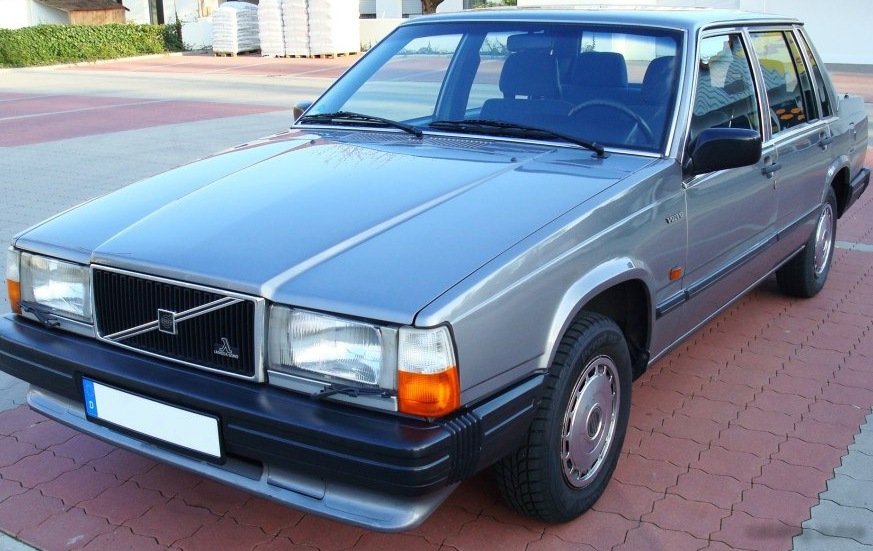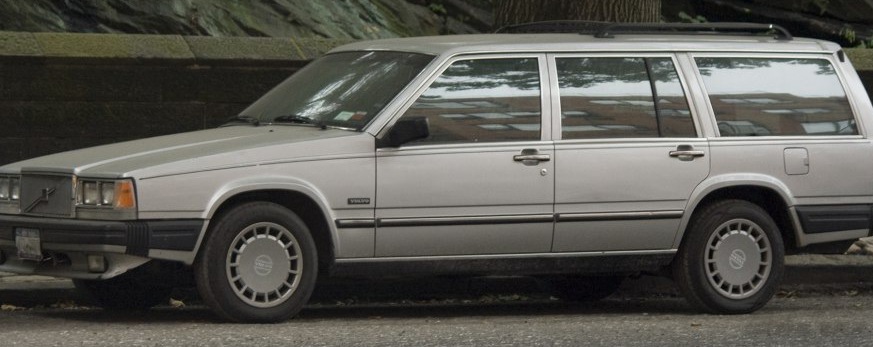
The Volvo 740 Combi (specifically the 745 model) 2.3 Turbo, produced from 1989 to 1990, represents a high-performance variant within the popular and long-running 740 series. This station wagon, a staple of Volvo’s reputation for safety and practicality, offered a significant performance upgrade over the naturally aspirated models, appealing to buyers seeking a blend of utility and spirited driving. The 745, denoting the five-door configuration, was a key part of Volvo’s strategy to offer versatile vehicles capable of handling both family duties and more demanding driving conditions. It built upon the foundation of the 740 series, known for its robust construction and longevity, and added a turbocharged engine to create a uniquely capable vehicle for its time.
Technical Specifications
| Brand | Volvo |
| Model | 740 |
| Generation | 740 Combi (745) |
| Type (Engine) | 2.3 Turbo (190 Hp) |
| Start of production | 1989 |
| End of production | 1990 |
| Powertrain Architecture | Internal Combustion engine |
| Body type | Station wagon (estate) |
| Seats | 5 |
| Doors | 5 |
| Fuel Type | Petrol (Gasoline) |
| Power | 190 Hp |
| Engine Model/Code | B230FT |
| Engine aspiration | Turbocharger |
| Engine oil capacity | 4.5 l (4.76 US qt | 3.96 UK qt) |
| Coolant capacity | 9.3 l (9.83 US qt | 8.18 UK qt) |
| Fuel tank capacity | 60 l (15.85 US gal | 13.2 UK gal) |
Powertrain & Engine Architecture
The heart of the 745 2.3 Turbo is the B230FT engine, a 2.3-liter inline-four cylinder powerplant. This engine is a derivative of Volvo’s well-regarded ‘Redblock’ family, known for its overbuilt nature and potential for modification. The ‘FT’ designation signifies the factory turbocharged version. The B230FT utilizes a Garrett turbocharger, boosting power output to 190 horsepower. Fuel delivery is managed by Bosch mechanical fuel injection, a system common for the era, providing reliable performance. The engine features a cast iron block and an aluminum cylinder head, contributing to its durability. The valvetrain consists of a single overhead camshaft (SOHC) operating two valves per cylinder. While not as sophisticated as dual overhead cam designs, the SOHC configuration proved robust and relatively simple to maintain. The turbocharger’s integration required a lower compression ratio than the naturally aspirated B230 engines to prevent pre-ignition. The engine’s design prioritized torque delivery, making it well-suited for hauling loads and providing strong acceleration in everyday driving situations.
Driving Characteristics
The 745 2.3 Turbo offered a noticeable performance increase over the standard 740 models. The turbocharger provides a distinct surge of power as boost builds, delivering strong acceleration in the mid-range. While not a sports car, the 745 Turbo could achieve respectable 0-60 mph times for the late 1980s and early 1990s, typically in the 7-8 second range. The added power did come with a slight increase in turbo lag, a characteristic of turbocharging technology at the time. The car’s weight, inherent to its station wagon body style, meant that handling was more focused on stability than outright agility. The suspension, while comfortable for everyday use, wasn’t particularly sporty. The 745 Turbo was best enjoyed as a capable and quick all-weather vehicle, able to handle a variety of driving conditions with ease. The engine’s torque output made it particularly adept at towing and carrying heavy loads without significant performance degradation.
Equipment & Trim Levels
The 745 2.3 Turbo generally represented a higher trim level within the 740 Combi range. Standard equipment typically included power steering, central locking, and a decent audio system. Interior upholstery was usually a durable cloth, though leather options were available. Dashboard configuration was functional and straightforward, reflecting Volvo’s emphasis on practicality. Optional extras included a sunroof, upgraded audio systems, and heated front seats. The 745 Turbo often featured unique badging to distinguish it from other 740 models. The interior trim was generally well-appointed for the era, with a focus on comfort and durability rather than outright luxury. The emphasis was on providing a functional and comfortable environment for both driver and passengers.
Chassis & Braking
The 745 2.3 Turbo utilized a MacPherson strut front suspension and a solid axle rear suspension. The rear axle was typically equipped with drum brakes, while the front brakes were discs. Stabilizer bars were fitted to both the front and rear axles to reduce body roll during cornering. The braking system, while adequate for the vehicle’s weight and performance, wasn’t particularly powerful by modern standards. The suspension setup prioritized ride comfort and stability over sporty handling. The solid rear axle contributed to the car’s robust construction and load-carrying capacity, but also limited its handling potential. The chassis was designed to withstand the stresses of frequent use and harsh weather conditions, reflecting Volvo’s commitment to building durable vehicles.
Market Reception & Comparison
The Volvo 745 2.3 Turbo was generally well-received by automotive critics. It was praised for its combination of practicality, performance, and safety. Compared to other station wagons of the time, the 745 Turbo offered a unique blend of attributes. It was more powerful than most of its competitors, but also more expensive. Compared to the naturally aspirated 740 models, the Turbo offered a significant performance upgrade, but at the cost of slightly reduced fuel economy. The 745 Turbo was often seen as a more sophisticated and refined alternative to other performance station wagons, such as those offered by Audi or Saab. Its reputation for reliability and durability also contributed to its positive market reception.
Legacy
The B230FT engine, found in the 745 2.3 Turbo, has proven to be remarkably durable over the long term. Many examples are still on the road today, a testament to Volvo’s engineering and build quality. The engine is relatively easy to maintain and repair, and parts availability remains good. In the used car market, the 745 2.3 Turbo is sought after by enthusiasts who appreciate its unique combination of performance, practicality, and classic Volvo styling. The car has also become a popular platform for modification, with many owners upgrading the turbocharger, fuel injection system, and other components to further enhance performance. The 745 2.3 Turbo represents a significant chapter in Volvo’s history, showcasing the brand’s commitment to building safe, reliable, and capable vehicles.