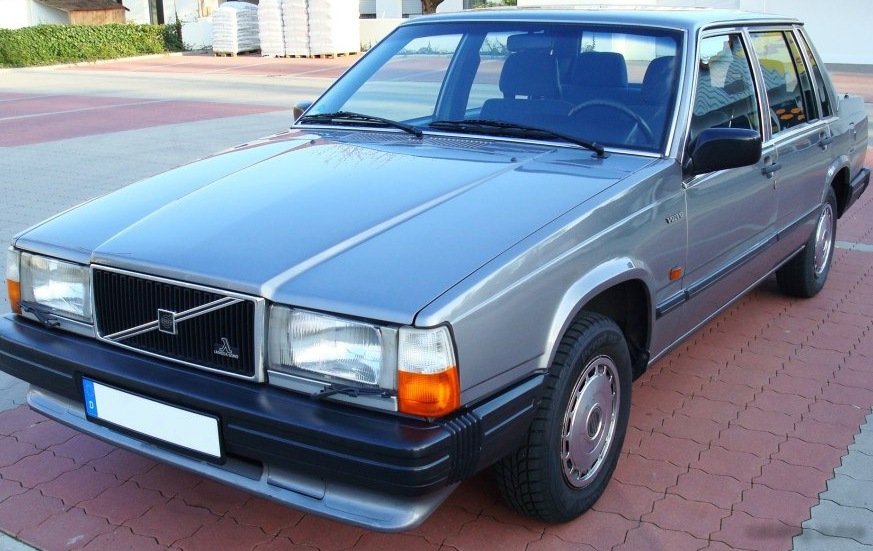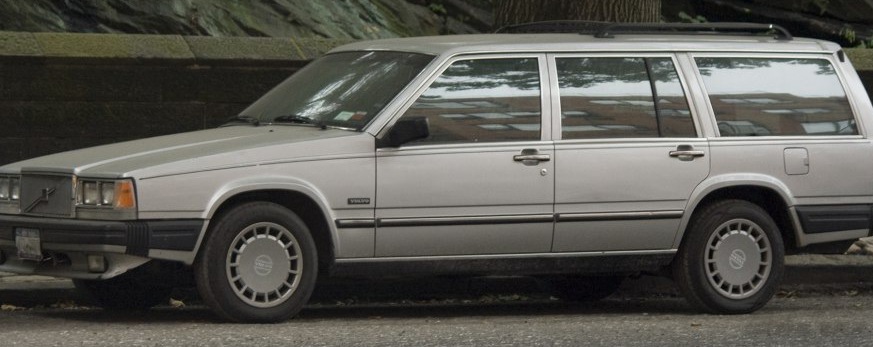
The Volvo 740 Combi (specifically the 745 variant) with the 2.4-liter diesel engine producing 82 horsepower was a practical and durable station wagon offered by Volvo between 1985 and 1988. It represented a key part of Volvo’s lineup during a period where the brand was renowned for safety, reliability, and a commitment to building vehicles that could withstand harsh conditions. The 745, as a member of the 740 series, was built on Volvo’s robust rear-wheel-drive platform, offering a spacious interior and a large cargo area, making it a popular choice for families and those needing a versatile vehicle. This diesel variant, while not the fastest, was prized for its fuel efficiency and longevity, particularly in European markets.
Technical Specifications
| Brand | Volvo |
| Model | 740 Combi (745) |
| Generation | 740 Combi (745) |
| Type (Engine) | 2.4 Diesel (82 Hp) |
| Start of Production | 1985 |
| End of Production | 1988 |
| Powertrain Architecture | Internal Combustion Engine |
| Body Type | Station Wagon (Estate) |
| Seats | 5 |
| Doors | 5 |
| Fuel Type | Diesel |
| Power | 82 Hp |
| Engine Model/Code | D24 |
| Engine Aspiration | Naturally Aspirated |
| Engine Oil Capacity | 6 liters (6.34 US qt | 5.28 UK qt) |
| Coolant Capacity | 9.5 liters (10.04 US qt | 8.36 UK qt) |
| Fuel Tank Capacity | 60 liters (15.85 US gal | 13.2 UK gal) |
Powertrain & Engine Architecture
The heart of the 745 diesel was the Volvo D24 engine, a 2.4-liter inline-four cylinder diesel. This engine was a workhorse, known for its simplicity and durability. It featured indirect injection, a common design for diesels of that era, utilizing a pre-chamber combustion system. This system involved a small auxiliary combustion chamber connected to the main cylinder, where fuel was initially injected and ignited, then transferred to the main chamber for complete combustion. This design helped to reduce engine noise and improve cold-starting performance, which were common challenges with early diesel engines. The D24 utilized a cast iron block and head, contributing to its robustness. The engine was typically paired with a four-speed automatic transmission, although a five-speed manual was also available. The automatic transmission, while providing ease of use, was not known for its sporty performance and was geared towards maximizing fuel economy and providing smooth, comfortable shifts.
Driving Characteristics
The 745 2.4 diesel automatic wasn’t designed for speed. With only 82 horsepower, acceleration was modest, and overtaking required careful planning. The automatic transmission further dampened performance, with relatively wide gear ratios prioritizing fuel efficiency over responsiveness. However, the engine delivered a respectable amount of torque for its displacement, making it capable of handling a full load of passengers and cargo without feeling overly strained. The rear-wheel-drive configuration provided a balanced driving experience, and the suspension, while not particularly sophisticated, offered a comfortable ride. Compared to the gasoline-powered 740 models, the diesel was significantly slower, but it offered substantially better fuel economy. The manual transmission versions of the D24 offered a more engaging driving experience, allowing the driver to better utilize the engine’s torque, but the automatic was favored by those seeking convenience.
Equipment & Trim Levels
The 745 diesel, positioned as a practical and economical option, typically came with a fairly basic level of equipment. Standard features generally included cloth upholstery, a simple dashboard layout with analog gauges, and manual windows and door locks. Power steering was often included, but air conditioning was typically an optional extra. The interior was designed with functionality in mind, offering ample space for passengers and cargo. Higher trim levels, if available, might have included features like upgraded upholstery, a sunroof, and more advanced audio systems. However, the focus remained on providing a durable and reliable vehicle rather than luxurious appointments. The 745 was known for its practical touches, such as a split rear seat and a large, easily accessible cargo area.
Chassis & Braking
The 740 series, including the 745, utilized a traditional rear-wheel-drive chassis with a solid rear axle. The suspension consisted of coil springs and dampers all around, providing a comfortable ride quality. The front suspension featured anti-roll bar to reduce body roll during cornering. Braking was typically accomplished with disc brakes on the front wheels and drum brakes on the rear. This configuration was common for vehicles of this era and price point. The braking system was adequate for the vehicle’s weight and performance, but it lacked the sophistication of more modern braking systems. The chassis was designed for durability and stability, prioritizing safety and reliability over sporty handling.
Market Reception & Comparison
The Volvo 745 2.4 diesel was well-received in European markets, where diesel engines were more popular due to their fuel efficiency and lower running costs. Critics praised the vehicle’s practicality, spaciousness, and durability. However, the engine’s modest power output and the automatic transmission’s lack of responsiveness were often noted as drawbacks. Compared to the gasoline-powered 740 models, the diesel offered significantly better fuel economy but considerably less performance. Compared to other diesel station wagons of the time, such as those offered by Mercedes-Benz or BMW, the 745 offered a more affordable option with a reputation for being exceptionally reliable. The D24 engine was particularly lauded for its longevity, with many examples exceeding 300,000 miles with proper maintenance.
Legacy
The Volvo 740 series, and the 745 diesel in particular, has earned a reputation as one of the most durable and reliable vehicles ever produced. The D24 engine is legendary for its longevity, and many examples are still on the road today. In the used car market, well-maintained 745 diesels are sought after by enthusiasts and those looking for a practical and dependable vehicle. While not a performance car, the 745 diesel represents a bygone era of automotive engineering, where durability and practicality were prioritized over speed and luxury. Its simple design and robust construction make it relatively easy to maintain and repair, contributing to its enduring appeal. The 745 diesel remains a testament to Volvo’s commitment to building safe, reliable, and long-lasting vehicles.