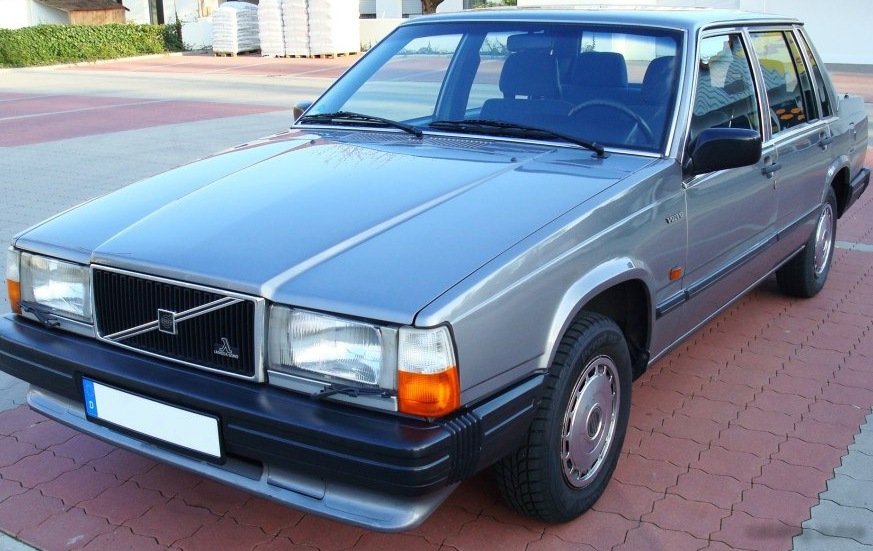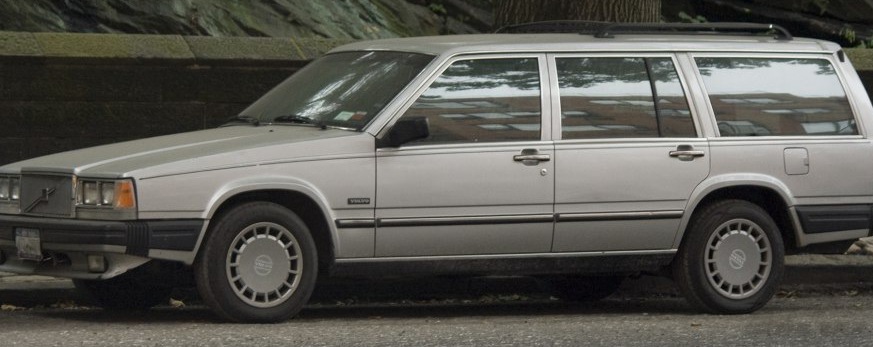
The Volvo 740 Combi (specifically the 745 variant) with the 2.4 TD Intercooled engine, produced between 1986 and 1988, represents a significant offering in Volvo’s long-running 700/900 series. This model combined the practicality of a spacious station wagon with the efficiency and torque of a turbocharged diesel engine, aimed at buyers needing a robust vehicle for towing, long distances, or simply carrying substantial loads. It occupied a niche within the 740 range, positioned as a more economical and utilitarian alternative to the gasoline-powered models, while offering more performance than the naturally aspirated diesel options.
Technical Specifications
| Brand | Volvo |
| Model | 740 Combi (745) |
| Generation | 740 Combi (745) |
| Type (Engine) | 2.4 TD Interc. (122 Hp) |
| Start of production | 1986 |
| End of production | 1988 |
| Powertrain Architecture | Internal Combustion engine |
| Body type | Station wagon (estate) |
| Seats | 5 |
| Doors | 5 |
| Fuel Type | Diesel |
| Power | 122 Hp |
| Engine Model/Code | D24TIC |
| Engine aspiration | Turbocharger, Intercooler |
| Engine oil capacity | 6 l (6.34 US qt | 5.28 UK qt) |
| Coolant capacity | 10 l (10.57 US qt | 8.8 UK qt) |
| Fuel tank capacity | 60 l (15.85 US gal | 13.2 UK gal) |
Powertrain & Engine Architecture
The heart of the 745 2.4 TD Intercooled is the D24TIC engine, a 2.4-liter inline-four diesel. This engine is a direct descendant of Volvo’s well-regarded D24 series, known for its durability and over-engineering. The “TIC” designation signifies “Turbocharged and Intercooled.” The turbocharger, a Garrett unit typically, significantly boosted power output compared to the naturally aspirated D24 diesels. The intercooler, mounted prominently at the front of the vehicle, cooled the compressed intake air, increasing its density and further improving performance and efficiency.
The D24TIC utilizes indirect fuel injection, employing a Bosch rotary injection pump. This system, while not as refined as modern common-rail diesel injection, was robust and capable of delivering sufficient fuel for the turbocharger’s demands. The engine features a cast iron block and cylinder head, contributing to its legendary longevity. Valve actuation is via a single overhead camshaft, operating two valves per cylinder. While not a high-revving engine, the D24TIC produced a substantial amount of torque – approximately 260 Nm (192 lb-ft) – from relatively low engine speeds, making it well-suited for hauling and towing. The transmission offered was typically a four-speed automatic, although a five-speed manual was also available, though less common in this configuration.
Driving Characteristics
The 745 2.4 TD Intercooled, equipped with the automatic transmission, offered a distinctly different driving experience compared to its gasoline-powered siblings or even the manual diesel versions. Acceleration was respectable, though not particularly brisk, with a 0-60 mph time estimated around 12-14 seconds. The focus was on effortless cruising and strong mid-range torque. The automatic transmission, while providing convenience, did sap some power and responsiveness. Gear changes were not particularly quick or sporty, prioritizing smooth operation over performance. The turbocharger provided a noticeable surge of power once boost pressure built up, typically around 2000-2500 rpm. This made overtaking at highway speeds relatively easy, despite the engine’s modest horsepower rating. The car felt planted and stable, thanks to its relatively heavy weight and well-tuned suspension.
Equipment & Trim Levels
The 745 2.4 TD Intercooled generally occupied a mid-range position in the 740 Combi lineup. Standard equipment typically included power steering, central locking, and a basic stereo system. Interior upholstery was usually a durable cloth material, though leather was available as an option. Dashboard configuration was functional and straightforward, reflecting Volvo’s emphasis on practicality and safety. Optional extras included sunroofs, electric windows, heated seats, and upgraded audio systems. The 745 also benefited from Volvo’s renowned safety features, including three-point seatbelts for all occupants and a reinforced safety cage construction.
Chassis & Braking
The 740 Combi chassis featured independent suspension at the front, utilizing MacPherson struts and coil springs. The rear suspension employed a solid axle with coil springs and a stabilizer bar. This setup provided a comfortable ride and good handling characteristics, although it wasn’t particularly sporty. Braking systems varied depending on the year and market. Earlier models often featured disc brakes at the front and drum brakes at the rear. Later models typically had disc brakes all around, providing improved stopping power. The braking system was generally reliable and effective, though not particularly powerful by modern standards.
Market Reception & Comparison
The 745 2.4 TD Intercooled was generally well-received by critics and buyers who prioritized fuel economy, durability, and practicality. It was seen as a sensible and reliable workhorse, capable of handling a variety of tasks. Compared to the gasoline-powered 740 models, the diesel offered significantly better fuel economy, making it an attractive option for high-mileage drivers. Compared to the naturally aspirated diesel 740s, the 2.4 TD Intercooled provided a substantial performance boost, thanks to the turbocharger and intercooler. However, the automatic transmission did detract somewhat from the driving experience, and some critics noted that the engine could be noisy and vibrate more than its gasoline counterparts. Reliability was a strong point, with the D24TIC engine proving to be exceptionally durable when properly maintained.
Legacy
The Volvo 740 Combi 2.4 TD Intercooled has developed a strong following among enthusiasts and classic car collectors. The D24TIC engine is renowned for its longevity and simplicity, and many examples are still on the road today, often with very high mileage. Parts availability remains relatively good, although some specific components can be difficult to find. The 745 2.4 TD Intercooled represents a unique blend of practicality, durability, and fuel efficiency, making it a desirable and increasingly collectible vehicle in the used car market. Its robust construction and simple mechanicals make it a relatively easy car to maintain and repair, appealing to owners who prefer to work on their own vehicles. The car stands as a testament to Volvo’s commitment to building safe, reliable, and long-lasting automobiles.