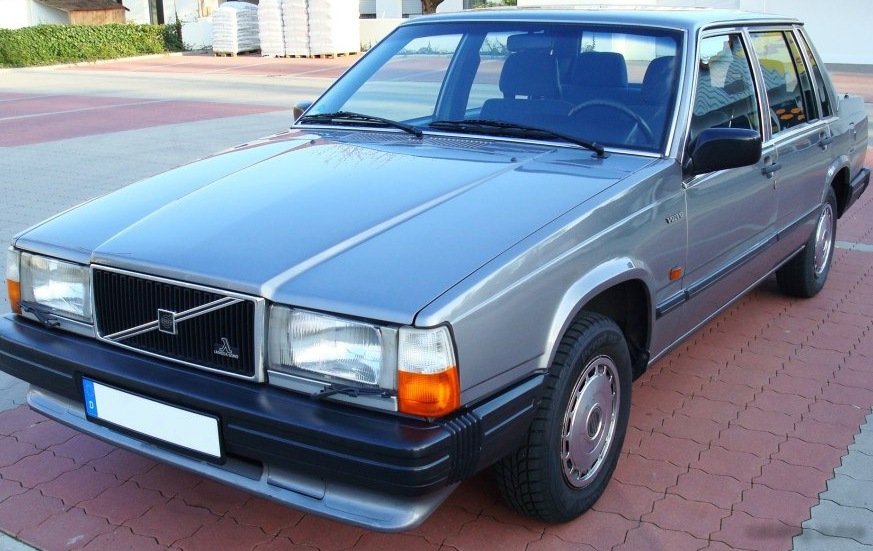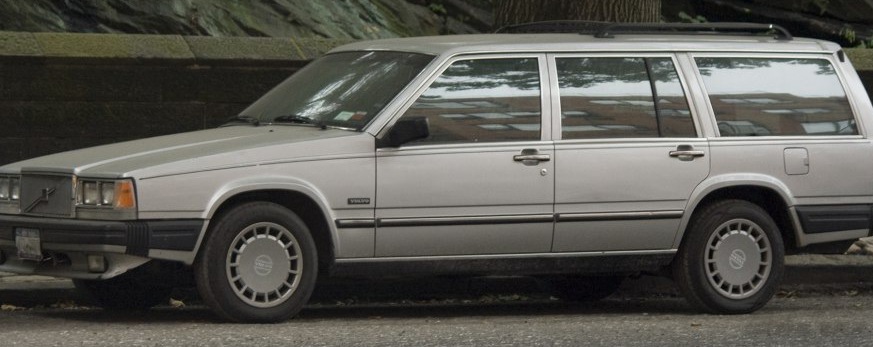
The Volvo 740 Combi (specifically the 745 variant) with the 2.4-liter Turbo-Diesel engine producing 109 horsepower was a significant offering from Volvo between 1985 and 1990. This model represented a blend of Volvo’s renowned safety and practicality, coupled with the increasing demand for fuel-efficient diesel engines in the European market. The 740 series, and particularly the Combi (estate/wagon) body style, became synonymous with durable, family-oriented transportation. The 745 designation specifically refers to the five-door wagon version, which was the most popular body style within the 740 range.
Technical Specifications
| Brand | Volvo |
| Model | 740 Combi (745) |
| Generation | 740 Combi (745) |
| Type (Engine) | 2.4 Turbo-Diesel (109 Hp) |
| Start of Production | 1985 |
| End of Production | 1990 |
| Powertrain Architecture | Internal Combustion Engine |
| Body Type | Station Wagon (Estate) |
| Seats | 5 |
| Doors | 5 |
| Fuel Type | Diesel |
| Power | 109 Hp |
| Engine Model/Code | D24T |
| Engine Aspiration | Turbocharger |
| Engine Oil Capacity | 6 l (6.34 US qt | 5.28 UK qt) |
| Coolant Capacity | 9.5 l (10.04 US qt | 8.36 UK qt) |
| Fuel Tank Capacity | 60 l (15.85 US gal | 13.2 UK gal) |
Powertrain & Engine Architecture
The heart of this 745 variant is the Volvo D24T engine, a 2.4-liter inline-four cylinder diesel. This engine was a development of Volvo’s long-running D24 series, known for its robustness and longevity. The ‘T’ designation signifies the addition of a turbocharger, which significantly boosted power output compared to naturally aspirated D24 diesels. The D24T utilized indirect injection, a common diesel technology of the era. Fuel was injected into a pre-chamber, where it partially combusted before entering the main cylinder, resulting in smoother combustion and reduced engine noise compared to direct injection systems. The turbocharger, a Garrett unit typically, provided approximately 7.5 psi of boost. The engine featured a cast iron block and cylinder head, contributing to its durability. While specific transmission options varied by market, this variant was commonly paired with a four-speed automatic transmission, a Borg-Warner unit known for its reliability, though not particularly sporty characteristics. The automatic transmission was chosen to appeal to buyers prioritizing comfort and ease of use over performance.
Driving Characteristics
The 745 2.4 Turbo-Diesel Automatic offered a distinctly different driving experience compared to its gasoline-powered siblings or even the manual diesel versions. With 109 horsepower and approximately 188 lb-ft of torque, acceleration was adequate but not brisk. The automatic transmission, while smooth, had relatively widely spaced gear ratios, meaning the engine often operated at lower RPMs, prioritizing fuel economy over responsiveness. This resulted in a relaxed cruising experience, well-suited for long highway journeys, but less engaging on winding roads. Compared to the 740 Turbo with its gasoline engine and manual transmission, the diesel automatic was significantly slower in acceleration and lacked the sporty feel. However, the diesel offered substantially better fuel economy – typically in the range of 30-35 mpg – making it an attractive option for high-mileage drivers. The turbocharger did provide a noticeable boost in power when overtaking, but the automatic transmission sometimes hesitated during kickdown.
Equipment & Trim Levels
The 745 2.4 Turbo-Diesel typically occupied a mid-range position within the 740 Combi lineup. Standard equipment generally included power steering, central locking, and a basic stereo system. Interior upholstery was typically cloth, with durable and practical materials chosen to withstand family use. Dashboard configuration was functional and straightforward, reflecting Volvo’s emphasis on usability. Optional extras included sunroofs, upgraded stereo systems, leather upholstery (rare on diesel models), and rear window wipers. The 745 also benefited from Volvo’s commitment to safety, featuring standard three-point seatbelts for all occupants and a reinforced safety cage construction. Air conditioning was a popular option, particularly in warmer climates.
Chassis & Braking
The 740 Combi chassis featured independent front suspension with MacPherson struts and a solid rear axle with coil springs. The suspension was tuned for comfort and stability, providing a relatively smooth ride even on uneven surfaces. Braking systems varied depending on the year and market. Earlier models typically featured disc brakes on the front wheels and drum brakes on the rear, while later models often upgraded to disc brakes all around. Stabilizer bars were standard on both axles, helping to reduce body roll during cornering. The steering was a traditional recirculating ball system, providing a weighty but precise feel. The 745’s robust construction and well-engineered chassis contributed to its reputation for handling and stability, even when fully loaded.
Market Reception & Comparison
The 745 2.4 Turbo-Diesel Automatic was generally well-received in Europe, where diesel engines were more popular than in the United States. Critics praised its fuel economy, durability, and practicality. However, some reviewers noted its lack of performance compared to gasoline-powered alternatives. Compared to the 740 Turbo, the diesel automatic was significantly slower and less engaging to drive. However, it offered a substantial advantage in fuel economy and a lower purchase price. Compared to other diesel wagons of the era, such as the Mercedes-Benz 200D Estate, the 745 offered a more modern design and a more spacious interior. Reliability was generally excellent, with the D24T engine proving to be exceptionally durable.
Legacy
The Volvo 740 Combi 2.4 Turbo-Diesel, and the D24T engine in particular, has achieved a legendary status among Volvo enthusiasts. The engine’s robustness and simplicity make it relatively easy to maintain, and parts availability remains good. Today, these vehicles are sought after by collectors and enthusiasts who appreciate their durability, practicality, and classic Volvo styling. While not particularly valuable in terms of monetary worth, well-maintained examples are increasingly rare and command a premium in the used car market. The D24T engine is often regarded as one of the most reliable diesel engines ever produced, and many examples are still in daily use decades after their original production date. The 745 continues to be a testament to Volvo’s commitment to building safe, durable, and practical vehicles.