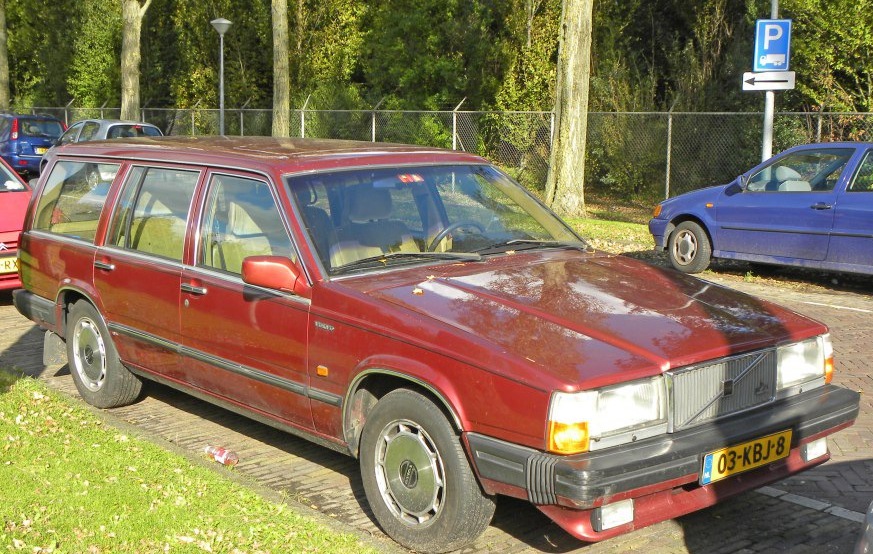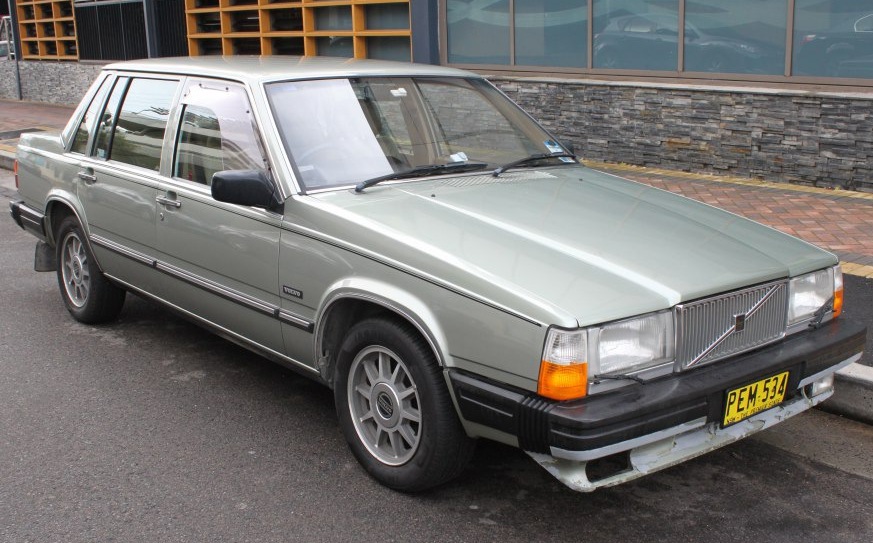
The Volvo 760 2.3 Turbo, specifically the 704 model produced between 1984 and 1985, represented a significant step forward for Volvo in terms of performance and luxury. Positioned as the flagship sedan within the 760 series (which also included the 740), the 760 aimed to compete with established German luxury cars. It was built on Volvo’s robust rear-wheel-drive platform, a configuration Volvo would soon abandon in favor of front-wheel drive. This initial iteration of the 760 Turbo laid the groundwork for future, more refined turbocharged Volvos, establishing a reputation for durable performance and understated Scandinavian design.
Technical Specifications
| Brand | Volvo |
| Model | 760 |
| Generation | 760 (704, 764) |
| Type (Engine) | 2.3 Turbo (704) (182 Hp) |
| Start of Production | 1984 |
| End of Production | 1985 |
| Powertrain Architecture | Internal Combustion Engine |
| Body Type | Sedan |
| Seats | 5 |
| Doors | 4 |
| Fuel Type | Petrol (Gasoline) |
| Power | 182 Hp |
| Engine Model/Code | B230ET |
| Engine Aspiration | Turbocharger |
| Engine Oil Capacity | 3.85 l (4.07 US qt | 3.39 UK qt) |
| Coolant Capacity | 9.5 l (10.04 US qt | 8.36 UK qt) |
| Fuel Tank Capacity | 80 l (21.13 US gal | 17.6 UK gal) |
| Length | 4785 mm (188.39 in) |
| Width | 1760 mm (69.29 in) |
| Height | 1430 mm (56.3 in) |
Powertrain & Engine Architecture
The heart of the 760 2.3 Turbo was the B230ET engine, a 2.3-liter inline-four cylinder powerplant. This engine was a development of Volvo’s well-regarded red-block series, known for its overbuilt durability. The “ET” designation signified “Einspritzung Turbo” (Fuel Injection Turbo). The B230ET featured Bosch K-Jetronic mechanical fuel injection, a system chosen for its reliability and ability to deliver consistent fuel metering under varying conditions. The turbocharger itself was a Garrett T25, providing approximately 8.5 psi of boost. The engine utilized a cast iron block and an aluminum cylinder head, contributing to its longevity. The valvetrain consisted of a single overhead camshaft operating two valves per cylinder. While not particularly high-revving, the B230ET produced a substantial amount of torque for its time, making it a capable cruiser and performer. The transmission was a four-speed automatic, chosen to appeal to the luxury car buyer who prioritized comfort over outright sportiness.
Driving Characteristics
The 760 2.3 Turbo, with its automatic transmission, offered a distinctly different driving experience compared to the manual transmission versions or the naturally aspirated 760 models. The automatic transmission, while smooth, did sap some of the engine’s potential. Acceleration from a standstill was respectable for the early 1980s, with 0-60 mph times estimated around 8.5-9 seconds. However, the real strength of the 760 Turbo lay in its mid-range power. The turbocharger provided a noticeable surge of acceleration when overtaking or merging onto highways. The automatic transmission’s gear ratios were geared towards comfortable cruising, rather than aggressive acceleration. The rear-wheel-drive layout provided a balanced feel, although the car’s weight (around 3,400 lbs) was noticeable in cornering. The suspension, while comfortable, wasn’t particularly sporty, resulting in some body roll during spirited driving.
Equipment & Trim Levels
The 760 2.3 Turbo was positioned as a premium offering, and as such, came standard with a number of features considered luxurious for the time. Standard equipment included power windows, power door locks, central locking, and a high-quality sound system. The interior was typically upholstered in leather, and featured wood trim on the dashboard and door panels. Air conditioning was also standard. Optional extras included a sunroof, heated seats, and a more advanced audio system. The 760 Turbo’s interior was designed with a focus on comfort and ergonomics, reflecting Volvo’s commitment to driver and passenger well-being. The dashboard layout was clean and functional, with easy-to-read gauges.
Chassis & Braking
The 760 series utilized a robust rear-wheel-drive chassis with independent front suspension and a solid rear axle. The front suspension featured MacPherson struts, while the rear axle was located by trailing arms and a Panhard rod. The braking system consisted of disc brakes on all four wheels, providing adequate stopping power for the car’s weight and performance. Anti-lock braking system (ABS) was available as an option, a relatively advanced feature for the mid-1980s. The 760’s chassis was designed for comfort and stability, rather than outright handling prowess. Stabilizer bars were fitted to both the front and rear axles to reduce body roll, but the car’s weight and suspension setup limited its cornering ability.
Market Reception & Comparison
The Volvo 760 2.3 Turbo was generally well-received by automotive critics. It was praised for its comfortable ride, spacious interior, and strong performance. However, some critics noted that the automatic transmission dulled the engine’s potential and that the car’s handling wasn’t as sharp as some of its German competitors. Compared to the naturally aspirated 760 models, the Turbo offered a significant performance upgrade. Compared to the later 760 Turbo models with more powerful engines and updated technology, the 1984-1985 version was considered somewhat basic. Fuel economy was reasonable for a turbocharged car of its size, averaging around 18-22 mpg in mixed driving. Reliability was generally good, although the K-Jetronic fuel injection system could require occasional maintenance.
Legacy
The Volvo 760 2.3 Turbo, while a relatively short-lived model, played an important role in establishing Volvo’s reputation for turbocharged performance. The B230ET engine proved to be remarkably durable, and many examples are still on the road today. The 760 Turbo paved the way for future Volvo models with more powerful and sophisticated turbocharged engines. In the used car market, the 1984-1985 760 2.3 Turbo is considered a collectible classic, particularly among Volvo enthusiasts. Its combination of understated styling, robust engineering, and turbocharged performance makes it a desirable and increasingly rare vehicle. Maintenance can be relatively straightforward, thanks to the engine’s simple design, but sourcing parts for the K-Jetronic fuel injection system can sometimes be challenging.