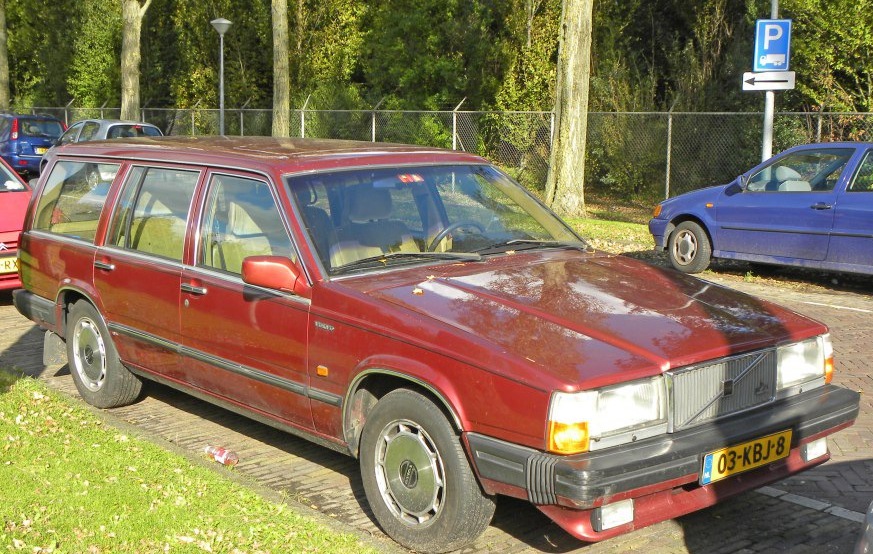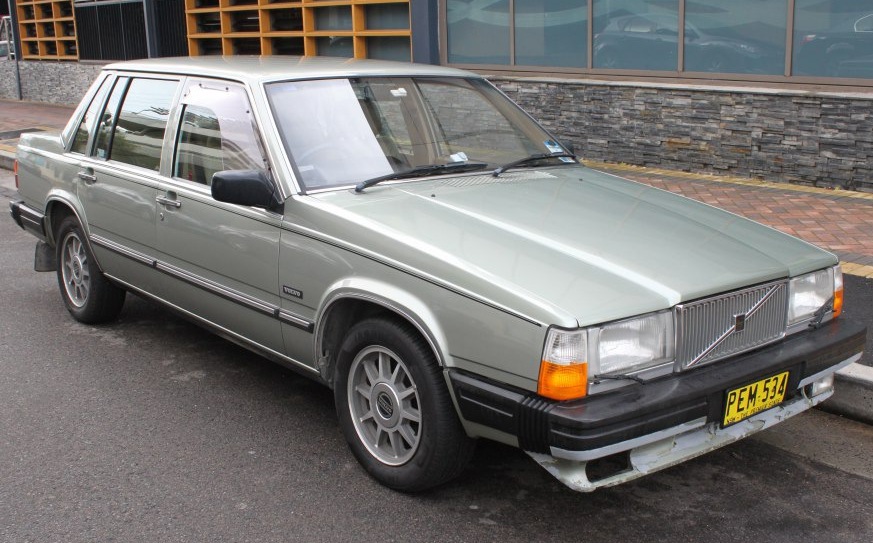
The Volvo 760 2.4 Turbo Diesel (designated internally as the 704 model) represents a unique offering within the broader 760/764 series produced between 1987 and 1992. Positioned as a more economical and long-distance-oriented variant, it distinguished itself from the gasoline-powered models with its focus on fuel efficiency and torque. This model was primarily aimed at European markets where diesel fuel was more prevalent and taxation favored lower displacement engines. While Volvo was known for safety and build quality, the 760 diesel offered a different proposition – a comfortable, durable, and relatively affordable luxury sedan capable of covering significant mileage.
Technical Specifications
| Brand | Volvo |
| Model | 760 |
| Generation | 760 (704, 764) |
| Type (Engine) | 2.4 Turbo Diesel (704) (109 Hp) |
| Start of Production | 1987 |
| End of Production | 1992 |
| Powertrain Architecture | Internal Combustion Engine |
| Body Type | Sedan |
| Seats | 5 |
| Doors | 4 |
| Fuel Type | Diesel |
| Power | 109 Hp |
| Engine Model/Code | D24T |
| Engine Aspiration | Turbocharger |
| Engine Oil Capacity | 6.2 l (6.55 US qt | 5.46 UK qt) |
| Coolant Capacity | 9.5 l (10.04 US qt | 8.36 UK qt) |
| Fuel Tank Capacity | 80 l (21.13 US gal | 17.6 UK gal) |
| Length | 4785 mm (188.39 in) |
| Width | 1760 mm (69.29 in) |
| Height | 1430 mm (56.3 in) |
Powertrain & Engine Architecture
The heart of the 760 2.4 Turbo Diesel is the Volvo D24T engine, a 2.4-liter inline-four cylinder diesel. This engine was a significant evolution of Volvo’s earlier D24 series, incorporating a turbocharger and intercooler to boost power and torque. The D24T utilizes indirect fuel injection, a common practice for diesel engines of the era, employing Bosch mechanical fuel injection components. The engine features a robust cast iron block and aluminum cylinder head, contributing to its longevity. The turbocharger, a Garrett unit, provides approximately 7.5 psi of boost. The valvetrain consists of a single overhead camshaft operating two valves per cylinder. The engine’s design prioritized durability and low-end torque over outright horsepower. The transmission paired with the D24T is a four-speed automatic, specifically the ZF 4HP22. This transmission was chosen for its smoothness and reliability, complementing the diesel engine’s torque characteristics. It’s a hydraulic control transmission, known for its relatively simple construction and ease of maintenance.
Driving Characteristics
The 760 2.4 Turbo Diesel, with its 109 horsepower and substantial 188 lb-ft of torque, offered a distinctly different driving experience compared to its gasoline-powered siblings. Acceleration was not its strong suit; 0-60 mph times were typically in the 12-14 second range. However, the engine’s ample torque provided effortless cruising and strong performance in highway overtaking situations. The four-speed automatic transmission, while smooth, had relatively widely spaced gear ratios. This meant that the engine often operated at lower RPMs, maximizing fuel economy but sometimes feeling slightly sluggish. Compared to the 760’s 2.8L inline-six or V6 options, the diesel lacked the responsiveness and high-end power of those engines. However, it significantly surpassed them in fuel economy, achieving upwards of 30 mpg on the highway. The diesel’s weight, due to the cast iron block, also contributed to a slightly heavier feel compared to the gasoline models.
Equipment & Trim Levels
The 760 2.4 Turbo Diesel typically came with a fairly comprehensive level of standard equipment, reflecting Volvo’s commitment to safety and comfort. Standard features included power windows, central locking, a basic stereo system, and cloth upholstery. Safety features, a Volvo hallmark, were also standard, including anti-lock brakes (ABS) and a reinforced safety cage. Optional extras included leather upholstery, a sunroof, heated front seats, and a more advanced audio system. The trim level was generally consistent across the 760 diesel range, with variations primarily stemming from optional equipment choices. The interior design was typical of Volvo in the late 1980s and early 1990s – functional, well-built, and focused on ergonomics. The dashboard layout was straightforward, with clearly labeled controls.
Chassis & Braking
The 760 2.4 Turbo Diesel utilized a traditional body-on-frame construction, contributing to its robust feel and durability. The suspension consisted of independent front suspension with MacPherson struts and a solid rear axle with coil springs. The rear axle featured a stabilizer bar to reduce body roll. Braking was accomplished via disc brakes on the front wheels and drum brakes on the rear. ABS was standard, enhancing braking performance and stability. The chassis was tuned for comfort rather than sporty handling, prioritizing a smooth and stable ride. The steering was power-assisted, providing relatively light steering effort.
Market Reception & Comparison
The Volvo 760 2.4 Turbo Diesel received generally positive reviews, particularly in Europe. Critics praised its fuel economy, durability, and comfortable ride. However, some noted its relatively slow acceleration and the somewhat agricultural nature of the diesel engine compared to the smoother gasoline alternatives. Compared to other diesel-powered sedans of the era, such as the Mercedes-Benz E-Class diesel, the 760 offered a more affordable entry point into the luxury diesel segment. Its fuel economy was competitive, and its reliability was generally considered to be excellent. Against the gasoline-powered 760 models, the diesel appealed to drivers who prioritized fuel efficiency and long-distance cruising over outright performance.
Legacy
The Volvo 760 2.4 Turbo Diesel has developed a reputation for exceptional longevity and reliability. The D24T engine, when properly maintained, is capable of exceeding 300,000 miles. The ZF 4HP22 automatic transmission is also known for its durability. In the used car market today, these vehicles are relatively rare, particularly in North America, where they were not widely imported. Well-maintained examples command a premium due to their rarity and reputation for reliability. The 760 diesel represents a unique chapter in Volvo’s history, showcasing the company’s ability to produce durable, comfortable, and fuel-efficient vehicles. While not a performance icon, it remains a testament to Volvo’s engineering prowess and commitment to building cars that last.