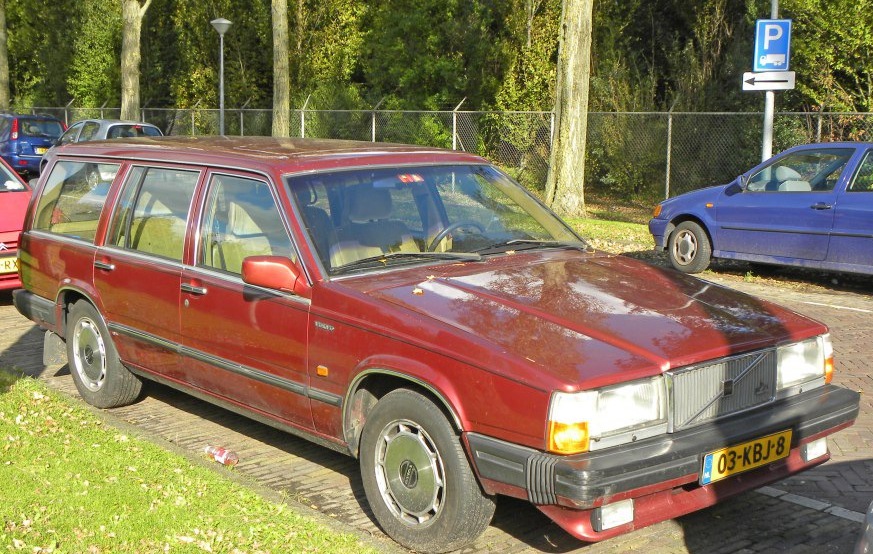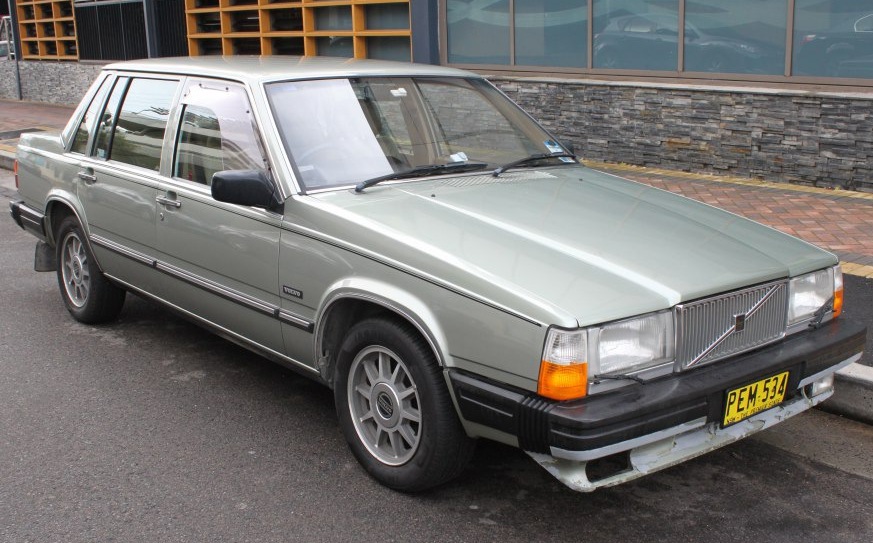
The Volvo 760, specifically the 2.8-liter (B28E) variant produced between 1982 and 1986, marked a pivotal moment for the Swedish automaker. Classified under the 704 and 764 chassis codes, this model represented Volvo’s initial venture into the upper-midsize segment, directly challenging established German competitors like BMW and Mercedes-Benz. The 760 was a departure from Volvo’s traditionally more compact vehicles, prioritizing luxury, safety, and a refined driving experience. This particular 2.8-liter engine, delivering 156 horsepower, served as the primary powerplant for the early 760 models, quickly gaining a reputation for durability and smooth operation. It was positioned as the premium offering in the 760 lineup during its initial years, preceding the introduction of turbocharged versions.
Technical Specifications
| Brand | Volvo |
| Model | 760 |
| Generation | 760 (704, 764) |
| Type (Engine) | 2.8 (704) (156 Hp) |
| Start of Production | 1982 |
| End of Production | 1986 |
| Powertrain Architecture | Internal Combustion Engine |
| Body Type | Sedan |
| Seats | 5 |
| Doors | 4 |
| Fuel Type | Petrol (Gasoline) |
| Power | 156 Hp |
| Engine Model/Code | B28E |
| Engine Aspiration | Naturally Aspirated |
| Engine Oil Capacity | 4.5 l (4.76 US qt | 3.96 UK qt) |
| Coolant Capacity | 8.5 l (8.98 US qt | 7.48 UK qt) |
| Fuel Tank Capacity | 80 l (21.13 US gal | 17.6 UK gal) |
| Length | 4785 mm (188.39 in) |
| Width | 1760 mm (69.29 in) |
| Height | 1430 mm (56.3 in) |
Powertrain & Engine Architecture
The 1982-1986 Volvo 760 2.8’s core was the B28E engine, a 2.8-liter inline-six cylinder powerplant. This engine signified a major development for Volvo, moving away from their traditional four-cylinder designs. The B28E featured a cast iron block and an aluminum cylinder head, contributing to its robust construction and relatively lightweight design. It employed a Bosch K-Jetronic fuel injection system, a mechanical system lauded for its reliability and precise fuel delivery, although it could present diagnostic challenges. The engine utilized a single overhead camshaft (SOHC) valvetrain, operating two valves per cylinder. This configuration prioritized smooth power delivery and low-end torque over high-revving performance. The B28E produced 156 horsepower at 5200 rpm and 172 lb-ft of torque at 3400 rpm. It was typically paired with a four-speed automatic transmission, though a five-speed manual transmission was also offered. The automatic transmission was engineered for smooth, comfortable shifts, prioritizing ease of use over sporty responsiveness.
Driving Characteristics
The Volvo 760 2.8 equipped with the automatic transmission delivered a comfortable and refined driving experience. Acceleration was adequate, achieving a 0-60 mph time of around 9-10 seconds, comparable to other luxury sedans of the era. The automatic transmission’s gear ratios were optimized for relaxed cruising, providing seamless transitions between gears. While not particularly sporty, the 760 offered sufficient power for highway passing and merging. The engine’s torque curve was relatively flat, providing good responsiveness across a broad range of engine speeds. Compared to the later turbocharged 760 models, the 2.8-liter version lacked the exhilarating acceleration of forced induction, but it offered a more predictable and linear power delivery. The manual transmission variant, though less common, provided a more engaging driving experience, allowing drivers to fully exploit the engine’s power band.
Equipment & Trim Levels
The 1982-1986 Volvo 760 2.8 was generously equipped for its time, reflecting Volvo’s dedication to safety and comfort. Standard features included power steering, power brakes, and a comfortable interior with cloth upholstery. Higher trim levels offered options such as leather upholstery, power windows, power locks, and a sunroof. The dashboard layout was functional and straightforward, with clearly marked controls. Air conditioning was a popular option, as was a premium sound system. Volvo also included a suite of safety features as standard equipment, including front disc brakes, rear drum brakes, and a robust safety cage construction. The interior was designed with a focus on ergonomics and practicality, providing a comfortable and spacious environment for both driver and passengers.
Chassis & Braking
The Volvo 760 featured a robust chassis designed for comfort and stability. It utilized a MacPherson strut front suspension and a solid rear axle with coil springs. The suspension was tuned for a comfortable ride, effectively absorbing bumps and road imperfections. The braking system consisted of front disc brakes and rear drum brakes. While adequate for typical driving conditions, the rear drum brakes were a point of criticism when compared to the all-disc brake systems found on some competitors. A stabilizer bar was fitted to both the front and rear suspension to minimize body roll during cornering. The steering was power-assisted, providing light and effortless steering control.
Market Reception & Comparison
The Volvo 760 was generally well-received by automotive critics, who lauded its safety, comfort, and build quality. However, some critics noted that its styling was somewhat conservative compared to its German rivals. The 2.8-liter engine was praised for its smoothness and durability, but its performance was considered adequate rather than exciting. Fuel economy was reasonable for a vehicle of its size and weight, averaging around 18-22 mpg in mixed driving conditions. Compared to the turbocharged 760 models, the 2.8-liter version offered a lower price point and simpler mechanicals, making it an appealing choice for buyers who prioritized reliability and affordability. The 760’s strong reputation for safety was a significant selling point, attracting families and safety-conscious consumers.
Legacy
The Volvo 760 2.8, though eventually superseded by more powerful and technologically advanced models, remains a respected classic car. The B28E engine is renowned for its exceptional durability and longevity, with numerous examples still operating reliably today. The 760’s robust construction and straightforward mechanicals make it relatively easy to maintain and repair. In the used car market, well-maintained 760s command a reasonable price, attracting enthusiasts and collectors. The 760 laid the groundwork for Volvo’s future success in the upper-midsize segment, solidifying the brand’s position as a leader in safety and quality. It represents a significant chapter in Volvo’s history, showcasing the company’s commitment to innovation and engineering excellence.