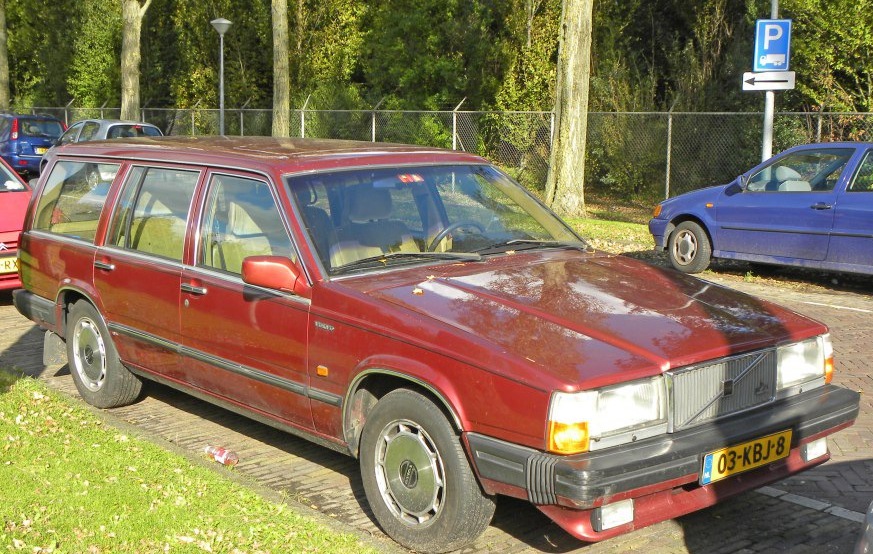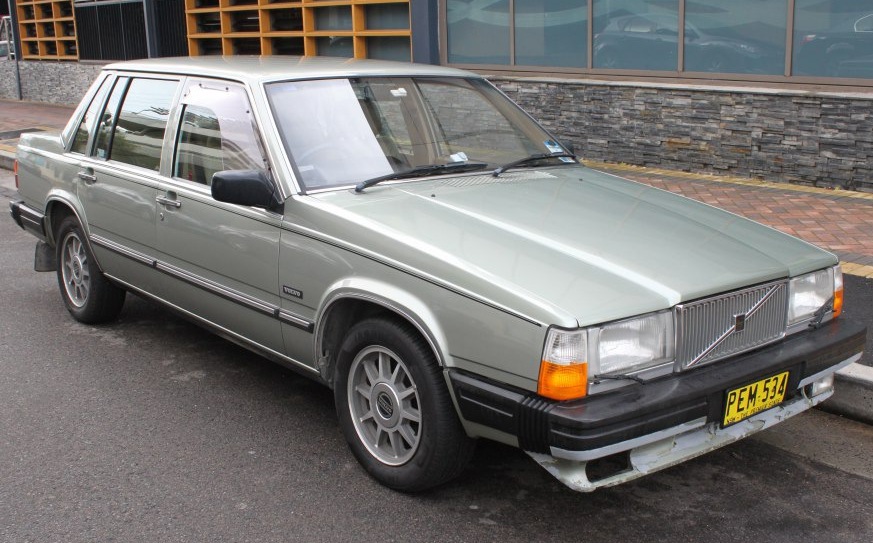
The Volvo 760, specifically the 764 variant with the 2.8-liter engine producing 147 horsepower, represented a significant step forward for the Swedish automaker in the mid-1980s. Produced between 1986 and 1990, this model (chassis codes 704 and 764) was Volvo’s initial foray into the upper-midsize segment, aiming to compete with established German rivals like BMW and Mercedes-Benz. It was the first Volvo to utilize a six-cylinder engine in a production vehicle for over two decades, and it established many of the safety and comfort features that would become hallmarks of the Volvo brand. The 764 occupied a middle ground within the 760 range, offering a balance between performance and affordability compared to the turbocharged variants.
Technical Specifications
| Brand | Volvo |
| Model | 760 |
| Generation | 760 (704, 764) |
| Type (Engine) | 2.8 (764) (147 Hp) |
| Start of Production | 1986 |
| End of Production | 1990 |
| Powertrain Architecture | Internal Combustion Engine |
| Body Type | Sedan |
| Seats | 5 |
| Doors | 4 |
| Fuel Type | Petrol (Gasoline) |
| Power | 147 Hp |
| Engine Model/Code | B280F |
| Engine Aspiration | Naturally Aspirated |
| Engine Oil Capacity | 6 l (6.34 US qt | 5.28 UK qt) |
| Coolant Capacity | 9.3 l (9.83 US qt | 8.18 UK qt) |
| Fuel Tank Capacity | 80 l (21.13 US gal | 17.6 UK gal) |
| Length | 4785 mm (188.39 in) |
| Width | 1760 mm (69.29 in) |
| Height | 1430 mm (56.3 in) |
Powertrain & Engine Architecture
The heart of the 764 was the B280F engine, a 2.8-liter inline-six cylinder powerplant. This engine represented a return to six-cylinder power for Volvo, a configuration they hadn’t offered since the 1960s. The B280F was a robust, oversquare design with a cast iron block and an aluminum cylinder head. It featured a single overhead camshaft operating two valves per cylinder. Fuel delivery was handled by Bosch K-Jetronic mechanical fuel injection, a system known for its reliability but less precise than later electronic systems. The engine produced 147 horsepower at 5,200 rpm and 195 lb-ft of torque at 3,400 rpm. The engine was mated to a four-speed automatic transmission, a common choice for American market Volvos prioritizing comfort over outright performance. This transmission was known for its smooth operation but wasn’t particularly fuel-efficient by modern standards. The automatic transmission utilized a torque converter for smooth launches and low-speed driving, and its gear ratios were optimized for relaxed highway cruising.
Driving Characteristics
The 764 with the 2.8-liter engine and automatic transmission offered a comfortable and refined driving experience. Acceleration was adequate, with a 0-60 mph time of around 9-10 seconds, placing it behind the turbocharged 760 models but still competitive within its class. The automatic transmission provided smooth shifts, but it lacked the responsiveness of a manual gearbox. The gear ratios were geared towards cruising comfort, making the car feel relaxed on the highway. While not a sports sedan, the 764 offered predictable handling and a stable ride, thanks to its well-tuned suspension. The steering was relatively light, making it easy to maneuver in city driving. Compared to the manual transmission versions, the automatic 764 felt less engaging to drive, but it appealed to buyers who prioritized ease of use and comfort. The automatic’s shift points were calibrated to balance fuel economy and drivability, resulting in a generally smooth, if not particularly sporty, experience. The engine’s torque delivery was linear, providing sufficient power for everyday driving situations.
Equipment & Trim Levels
The 760 764 typically came well-equipped, reflecting Volvo’s commitment to safety and comfort. Standard features included power windows, power locks, and a basic audio system. The interior was characterized by comfortable, supportive seats upholstered in durable cloth or optional leather. The dashboard layout was functional and straightforward, with clearly labeled controls. Optional extras included a sunroof, upgraded audio systems, and climate control. The 764 occupied a mid-range position in the 760 lineup, offering more features than the base models but lacking some of the luxury appointments found in the turbocharged variants. The interior trim was generally conservative, reflecting Volvo’s understated Scandinavian design aesthetic. Higher trim levels could include woodgrain accents and upgraded sound insulation.
Chassis & Braking
The 760 764 utilized a traditional body-on-frame construction, which contributed to its robust feel and durability. The suspension consisted of independent front suspension with MacPherson struts and a solid rear axle with coil springs. The braking system featured disc brakes on all four wheels, providing adequate stopping power. Anti-lock braking system (ABS) was available as an option, a relatively advanced feature for the time. The chassis was designed to prioritize ride comfort and stability, rather than sporty handling. The rear suspension, while simple, was effective at absorbing bumps and providing a comfortable ride. Stabilizer bars were fitted to both the front and rear axles to reduce body roll during cornering. The relatively heavy weight of the vehicle, combined with the body-on-frame construction, contributed to a substantial and secure feel on the road.
Market Reception & Comparison
The Volvo 760 764 was generally well-received by critics, who praised its safety features, comfortable ride, and durable construction. However, some reviewers noted that the 2.8-liter engine lacked the punch of the turbocharged variants. Fuel economy was also a concern, particularly compared to some of its Japanese competitors. In terms of reliability, the 764 proved to be a durable and dependable vehicle, although the K-Jetronic fuel injection system could require occasional maintenance. Compared to the turbocharged 760 models, the 764 offered a more affordable entry point into the Volvo range, appealing to buyers who didn’t need the extra performance. It also offered a more relaxed driving experience than the sportier BMW 5 Series or Mercedes-Benz E-Class. The 764 was often seen as a more practical and sensible alternative to its German rivals, emphasizing safety and long-term reliability.
Legacy
The Volvo 760 764 played a crucial role in establishing Volvo as a premium automaker in the United States and other key markets. Its robust construction and reliable powertrain have ensured that many examples remain on the road today. The B280F engine is known for its longevity, and with proper maintenance, it can provide many years of service. The 764 is now a popular choice among classic car enthusiasts, who appreciate its understated style, comfortable ride, and durable construction. While not as sought-after as the turbocharged models, the 764 offers a unique and rewarding driving experience, representing a significant chapter in Volvo’s history. The car’s emphasis on safety and practicality continues to influence Volvo’s design philosophy today. The K-Jetronic system, while requiring specialized knowledge for repair, is often considered a testament to mechanical engineering and durability when properly maintained. The 764 remains a symbol of Volvo’s commitment to building safe, reliable, and comfortable vehicles.