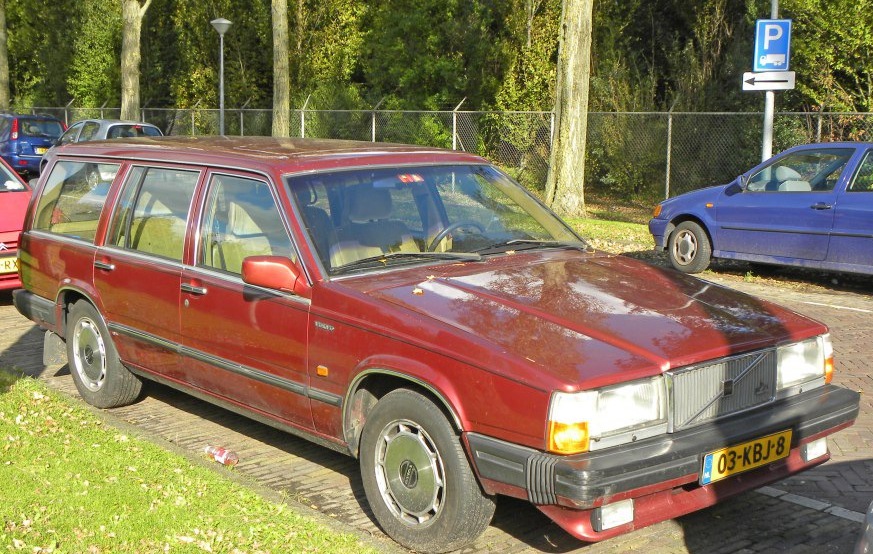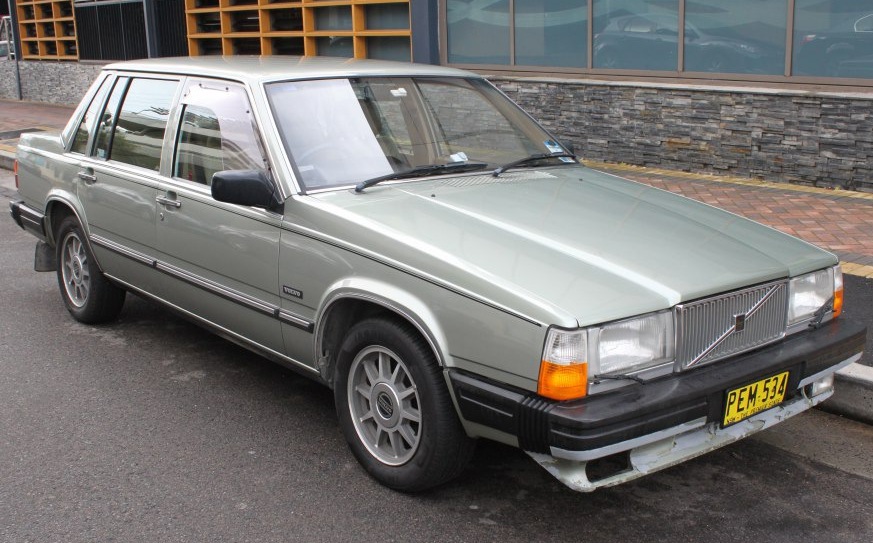
The Volvo 760, specifically the 764 variant with the 2.8-liter engine producing 156 horsepower, represented a significant step forward for the Swedish automaker in the mid-1980s. Produced from 1986 to 1988, this model occupied a crucial position in Volvo’s lineup as its flagship sedan, aiming to compete with established luxury brands from Germany and the United States. The 760 series (chassis codes 704 and 764) was Volvo’s first attempt at a truly modern, upscale sedan, incorporating advanced technology and a focus on safety – hallmarks of the Volvo brand. This particular 2.8-liter version was positioned as the premium offering within the 760 range, offering a balance of performance and refinement.
Technical Specifications
| Brand | Volvo |
| Model | 760 |
| Generation | 760 (704, 764) |
| Type (Engine) | 2.8 (764) (156 Hp) |
| Start of Production | 1986 |
| End of Production | 1988 |
| Powertrain Architecture | Internal Combustion Engine |
| Body Type | Sedan |
| Seats | 5 |
| Doors | 4 |
| Fuel Type | Petrol (Gasoline) |
| Power | 156 Hp |
| Engine Model/Code | B28E |
| Engine Aspiration | Naturally Aspirated |
| Engine Oil Capacity | 4.5 l (4.76 US qt | 3.96 UK qt) |
| Coolant Capacity | 8.5 l (8.98 US qt | 7.48 UK qt) |
| Fuel Tank Capacity | 80 l (21.13 US gal | 17.6 UK gal) |
| Length | 4785 mm (188.39 in) |
| Width | 1760 mm (69.29 in) |
| Height | 1430 mm (56.3 in) |
Powertrain & Engine Architecture
The heart of the 764 was the B28E engine, a 2.8-liter inline-six cylinder powerplant. This engine was a significant departure from Volvo’s earlier four-cylinder designs, offering increased smoothness and refinement. The B28E featured a cast iron block and an aluminum cylinder head, utilizing a single overhead camshaft (SOHC) design operating two valves per cylinder. Fuel delivery was managed by Bosch K-Jetronic mechanical fuel injection, a system known for its reliability and consistent performance, though less sophisticated than later electronic fuel injection systems. The engine produced 156 horsepower at 5200 rpm and 173 lb-ft of torque at 3400 rpm. The engine was known for its durability and relatively simple maintenance requirements. The 764 was exclusively offered with a four-speed automatic transmission, designed to provide smooth and comfortable shifting. This transmission, while not particularly sporty, was well-suited to the car’s intended role as a luxury cruiser.
Driving Characteristics
The 156 hp and 173 lb-ft of torque provided by the B28E engine delivered adequate, though not exhilarating, performance. Acceleration from 0 to 60 mph was typically in the 9-10 second range. The automatic transmission, while smooth, did contribute to some power loss. Compared to the later turbocharged Volvo 760 models, the 764 felt noticeably less powerful. However, it offered a more relaxed and refined driving experience. The gear ratios were optimized for cruising, making it a comfortable vehicle for long highway journeys. The steering was relatively light and precise, and the suspension provided a good balance between ride comfort and handling. It wasn’t a sports sedan, but it offered a secure and predictable driving experience.
Equipment & Trim Levels
The 764 was well-equipped for its time, reflecting its position as Volvo’s flagship model. Standard features included power windows, power locks, a power sunroof, and air conditioning. The interior was typically trimmed with comfortable cloth upholstery, although leather was available as an option. The dashboard featured a comprehensive array of gauges, including a voltmeter, ammeter, and fuel economy display. Optional extras included a premium sound system, heated seats, and a trip computer. The 764’s interior was designed with a focus on ergonomics and comfort, providing a spacious and inviting cabin for both driver and passengers.
Chassis & Braking
The 760 series utilized a robust chassis with independent suspension at all four wheels. The front suspension featured MacPherson struts, while the rear suspension employed a multi-link design. This setup provided a comfortable ride and good handling characteristics. Braking was initially accomplished with disc brakes at the front and drum brakes at the rear. Later models received disc brakes all around, improving stopping performance. The 764 also featured a standard anti-lock braking system (ABS), a relatively advanced feature for the mid-1980s, further enhancing safety. The steering was a rack-and-pinion system, providing precise and responsive control.
Market Reception & Comparison
The Volvo 760 764 was generally well-received by automotive critics. It was praised for its safety features, comfortable ride, and refined interior. However, some critics noted that its performance was not as competitive as some of its German rivals. Fuel economy was also a concern, averaging around 18-22 mpg in mixed driving. Compared to other trims in the 760 lineup, the 764 offered a more luxurious and refined experience than the base models, but lacked the performance of the turbocharged variants. It appealed to buyers who prioritized comfort, safety, and reliability over outright speed.
Legacy
The Volvo 760 764, while only produced for a short period, played a significant role in establishing Volvo as a maker of upscale, safe, and reliable automobiles. The B28E engine proved to be exceptionally durable, and many examples are still on the road today. The 760 series laid the foundation for Volvo’s future success in the luxury sedan market. In the used car market, the 764 is appreciated by enthusiasts for its classic Volvo styling, robust construction, and relatively simple mechanicals. While maintenance can be required due to its age, parts availability is generally good, and the car offers a unique and rewarding driving experience. It represents a piece of automotive history, embodying Volvo’s commitment to safety, quality, and Scandinavian design.