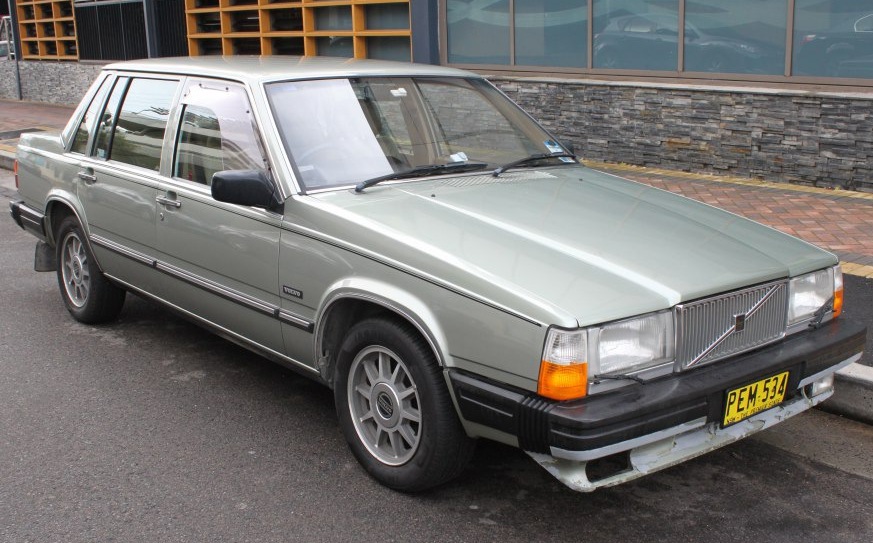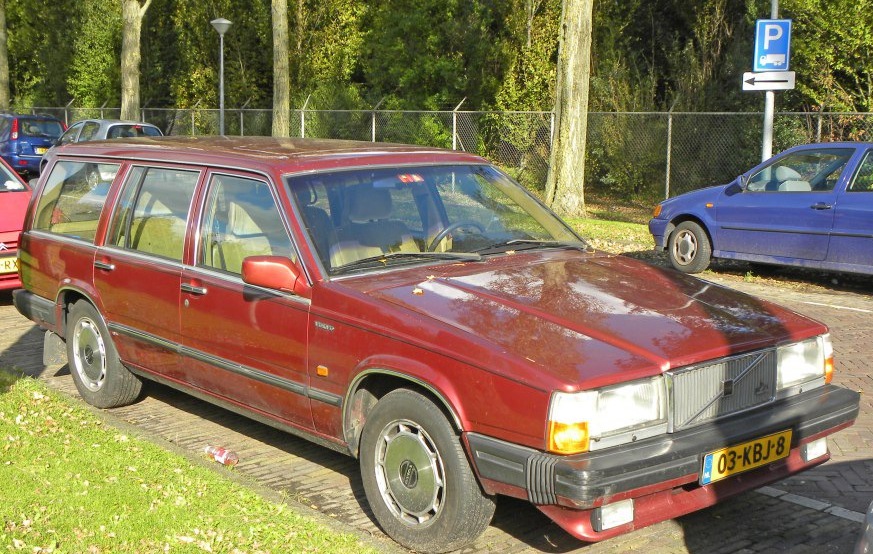
The Volvo 760 Kombi 2.4 TD Intercooled, produced between 1986 and 1991, represents a unique offering within the broader 760 series. This variant, designated model 765, combined the practicality of a station wagon (estate) body style with a turbocharged diesel engine, aimed at providing a blend of fuel efficiency and usable power for long-distance driving. It was positioned as a more economical and practical alternative to the gasoline-powered 760 models, particularly appealing to those needing a robust vehicle for towing or carrying substantial loads. The 760 series, built on Volvo’s robust rear-wheel-drive platform, was a significant model for the company, representing a move towards more modern styling and engineering while retaining Volvo’s reputation for safety and durability.
Technical Specifications
| Brand | Volvo |
| Model | 760 |
| Generation | 760 Kombi (704,765) |
| Type (Engine) | 2.4 TD Interc. (765) (116 Hp) |
| Start of production | 1986 |
| End of production | 1991 |
| Powertrain Architecture | Internal Combustion engine |
| Body type | Station wagon (estate) |
| Seats | 5 |
| Doors | 5 |
| Fuel Type | Diesel |
| Power | 116 Hp |
| Engine Model/Code | D24TIC |
| Engine aspiration | Turbocharger, Intercooler |
| Engine oil capacity | 6.2 l (6.55 US qt | 5.46 UK qt) |
| Coolant capacity | 9.5 l (10.04 US qt | 8.36 UK qt) |
| Fuel tank capacity | 60 l (15.85 US gal | 13.2 UK gal) |
Powertrain & Engine Architecture
The heart of the 760 Kombi 2.4 TD Intercooled is the D24TIC engine, a 2.4-liter inline-four cylinder diesel. This engine is a direct descendant of Volvo’s long-running D24 series, known for its robustness and longevity. The “TIC” designation signifies “Turbocharged and Intercooled,” indicating the presence of a turbocharger and an intercooler to enhance performance. The turbocharger, a Garrett unit in most applications, forces more air into the cylinders, increasing power output. The intercooler cools the compressed air from the turbocharger, further increasing density and improving combustion efficiency.
Fuel injection is handled by a Bosch mechanical injection system, a common setup for diesel engines of this era. This system delivers fuel directly into the cylinders under high pressure, optimizing combustion. The engine features a cast iron block and an aluminum cylinder head, contributing to its durability. Valve actuation is via a single overhead camshaft (SOHC) design. While not as sophisticated as dual overhead cam setups, the SOHC design proved reliable and relatively simple to maintain. The engine produces 116 horsepower and a substantial amount of torque, making it well-suited for hauling and towing. The transmission is a four-speed automatic, chosen for its ease of use and suitability for long-distance cruising. This automatic transmission, while not particularly sporty, provided smooth shifts and contributed to the vehicle’s overall comfort.
Driving Characteristics
The 760 Kombi 2.4 TD Intercooled offers a driving experience focused on practicality and comfort rather than outright performance. The turbocharged diesel engine delivers strong low-end torque, making it capable of handling heavy loads and maintaining comfortable speeds on the highway. Acceleration is not brisk, but adequate for most driving situations. The automatic transmission contributes to a relaxed driving experience, although it lacks the responsiveness of a manual gearbox. Compared to the gasoline-powered 760 models, the diesel version offers significantly better fuel economy, making it a more economical choice for high-mileage drivers. However, it is noticeably louder and produces more vibration than its gasoline counterparts. The rear-wheel-drive layout provides a balanced feel, but the vehicle’s weight and relatively soft suspension contribute to some body roll in corners.
Equipment & Trim Levels
The 760 Kombi 2.4 TD Intercooled typically came equipped with a reasonable level of standard features for its time. These included power steering, central locking, and a basic stereo system. Interior upholstery was typically cloth, with options for leather available at an extra cost. The dashboard layout is functional and straightforward, with clearly labeled controls. Optional extras included sunroofs, upgraded audio systems, and climate control. The trim level was generally consistent across the 765 models, with variations primarily stemming from optional equipment choices. The focus was on providing a practical and comfortable vehicle rather than luxurious appointments.
Chassis & Braking
The 760 Kombi utilizes a traditional body-on-frame construction, contributing to its robustness and durability. The suspension consists of independent front suspension with coil springs and a solid rear axle with leaf springs. This setup provides a comfortable ride, but is not particularly sporty. Braking is accomplished via disc brakes on the front wheels and drum brakes on the rear wheels. While adequate for most driving conditions, the rear drum brakes are less effective than disc brakes, particularly under heavy braking. A stabilizer bar is fitted to the front suspension to reduce body roll. The steering is a recirculating ball system, providing a relatively heavy but precise feel.
Market Reception & Comparison
The Volvo 760 Kombi 2.4 TD Intercooled was generally well-received by critics and buyers seeking a practical and fuel-efficient station wagon. It was praised for its durability, spacious interior, and strong towing capacity. However, it was also criticized for its relatively slow acceleration and noisy engine. Compared to the gasoline-powered 760 models, the diesel version offered significantly better fuel economy, but at the expense of performance and refinement. Compared to other diesel station wagons of the era, such as those offered by Mercedes-Benz and BMW, the 760 Kombi offered a more affordable alternative, although it lacked the same level of luxury and prestige.
Legacy
The Volvo 760 Kombi 2.4 TD Intercooled has proven to be a remarkably durable and reliable vehicle. The D24TIC engine is known for its longevity, and many examples are still on the road today, often with high mileage. The vehicle’s robust construction and simple mechanical design make it relatively easy to maintain and repair. In the used car market, the 760 Kombi 2.4 TD Intercooled is appreciated by enthusiasts and those seeking a practical and reliable classic vehicle. While not a particularly collectible model, it represents a unique chapter in Volvo’s history and a testament to the company’s commitment to building durable and safe vehicles. Parts availability can be a challenge, but a dedicated community of Volvo enthusiasts helps to keep these vehicles running.