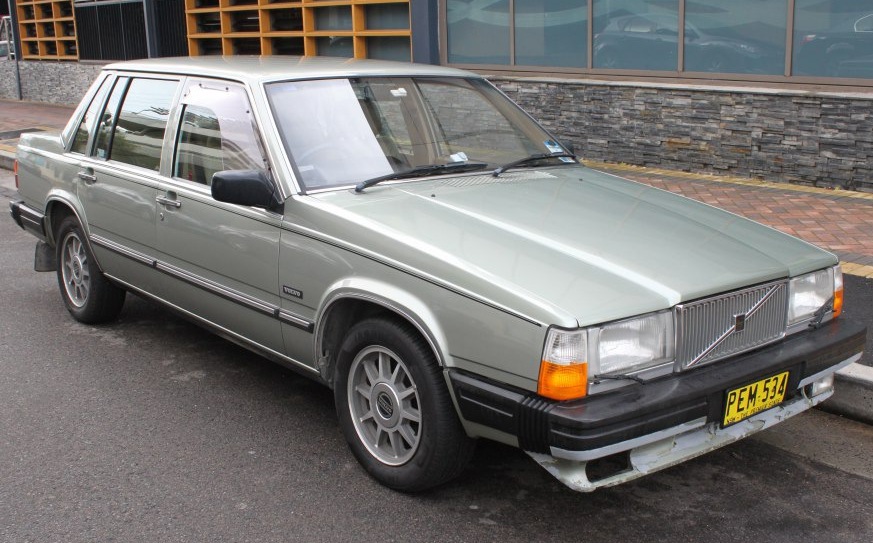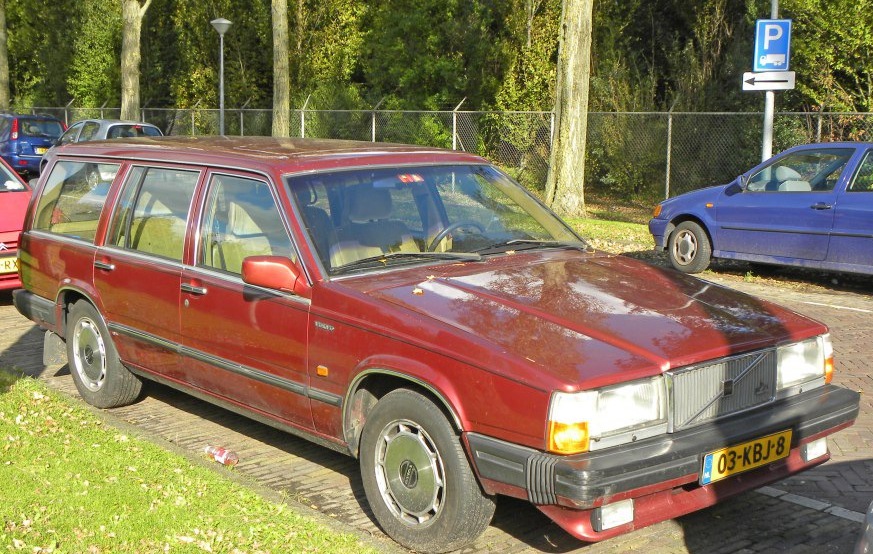
The Volvo 760 Kombi 2.8 (765), produced between 1985 and 1991, represents a significant offering from Volvo during a period of increasing demand for practical, yet refined, station wagons. Part of the 700/900 series, the 760 Kombi aimed to provide a spacious and comfortable family vehicle with Volvo’s renowned safety features. The “Kombi” designation, common in Europe, simply denotes the station wagon body style. This 2.8-liter (765) variant, producing 143 horsepower, occupied a middle ground in the 760 lineup, offering a balance between performance and fuel economy, and was positioned as a step up from the base 2.4-liter models. It was a key component of Volvo’s strategy to appeal to buyers seeking a premium wagon experience.
Technical Specifications
| Brand | Volvo |
| Model | 760 |
| Generation | 760 Kombi (704,765) |
| Type (Engine) | 2.8 (765) (143 Hp) |
| Start of Production | 1985 |
| End of Production | 1991 |
| Powertrain Architecture | Internal Combustion Engine |
| Body Type | Station Wagon (Estate) |
| Seats | 5 |
| Doors | 5 |
| Fuel Type | Petrol (Gasoline) |
| Power | 143 Hp |
| Engine Model/Code | B280F |
| Engine Aspiration | Naturally Aspirated |
| Engine Oil Capacity | 6 l (6.34 US qt | 5.28 UK qt) |
| Coolant Capacity | 9.3 l (9.83 US qt | 8.18 UK qt) |
| Fuel Tank Capacity | 60 l (15.85 US gal | 13.2 UK gal) |
Powertrain & Engine Architecture
The heart of the 760 Kombi 2.8 (765) is the B280F engine, a 2.8-liter inline-six cylinder powerplant. This engine is a descendant of Volvo’s long-running PRV V6, but adapted to an inline configuration. It features a cast iron block and an aluminum cylinder head, contributing to its durability. The B280F utilizes Bosch K-Jetronic fuel injection, a mechanical system known for its reliability, though less efficient than later electronic systems. The valvetrain consists of a single overhead camshaft (SOHC) operating two valves per cylinder. This configuration prioritized smooth power delivery over outright high-revving performance. While not a particularly high-output engine by modern standards, the B280F was known for its torque and longevity.
The 760 Kombi 2.8 (765) was typically paired with a four-speed automatic transmission, designated AW71. This transmission, developed by Aisin-Warner, was a robust unit designed to handle the engine’s torque. It featured electronic control for smoother shifting, a relatively advanced feature for the time. The automatic transmission contributed to the car’s ease of driving, making it a popular choice for families and those prioritizing comfort over sporty handling. Manual transmission options were available, but the automatic was by far the more common choice in the US market.
Driving Characteristics
The 760 Kombi 2.8 (765) with the automatic transmission offered a comfortable and relaxed driving experience. Acceleration was adequate, with 0-60 mph times estimated around 10-11 seconds. The automatic transmission’s gear ratios were geared towards fuel efficiency and smooth cruising, rather than aggressive acceleration. Compared to the five-speed manual version, the automatic sacrificed some responsiveness, but gained in ease of use. The inline-six engine provided a broad torque curve, making it capable of handling a fully loaded vehicle without feeling strained. Handling was typical of a large, boxy wagon – safe and predictable, but not particularly sporty. The focus was on stability and comfort rather than cornering prowess.
Equipment & Trim Levels
The 760 Kombi 2.8 (765) came reasonably well-equipped, reflecting Volvo’s commitment to safety and comfort. Standard features typically included power steering, power brakes, and a basic audio system. Interior upholstery was usually cloth, though leather was available as an option. Dashboard configuration was functional and straightforward, with clearly marked gauges. Optional extras included a sunroof, upgraded audio systems, cruise control, and heated seats. The 765 trim level generally represented a mid-range offering, positioned above the base models but below the more luxurious 760 GLE.
Chassis & Braking
The 760 Kombi utilized a traditional body-on-frame construction, contributing to its robust feel. Suspension consisted of independent front suspension with MacPherson struts and a solid rear axle with leaf springs. This setup prioritized ride comfort and load-carrying capacity. Braking was initially equipped with front disc brakes and rear drum brakes. Later models often featured rear disc brakes as standard equipment. Anti-lock braking systems (ABS) were available as an option, further enhancing safety. Stabilizer bars were fitted to both the front and rear axles to reduce body roll during cornering.
Market Reception & Comparison
The Volvo 760 Kombi 2.8 (765) was generally well-received by critics and consumers alike. It was praised for its spacious interior, comfortable ride, and strong safety features. Compared to other wagons of the time, such as the Mercedes-Benz 300E wagon or the BMW 5 Series Touring, the 760 offered a more affordable alternative with a distinct Scandinavian design aesthetic. Fuel economy was reasonable for the era, averaging around 18-22 mpg in mixed driving. Reliability was generally good, although the K-Jetronic fuel injection system could require occasional maintenance. The 760 Kombi 2.8 (765) appealed to buyers who valued practicality, safety, and a comfortable driving experience over outright performance.
Legacy
The Volvo 760 Kombi, and the 700/900 series as a whole, established Volvo as a leader in the station wagon segment. The B280F engine proved to be remarkably durable, with many examples still running today. The 760 Kombi 2.8 (765) remains a popular choice among classic Volvo enthusiasts, appreciated for its simplicity, reliability, and spaciousness. In the used car market, these wagons are often sought after for their practicality and unique character. While maintenance can be required due to the car’s age, parts availability is generally good, and the 760 Kombi continues to offer a compelling alternative to more modern vehicles for those seeking a classic, well-built wagon.