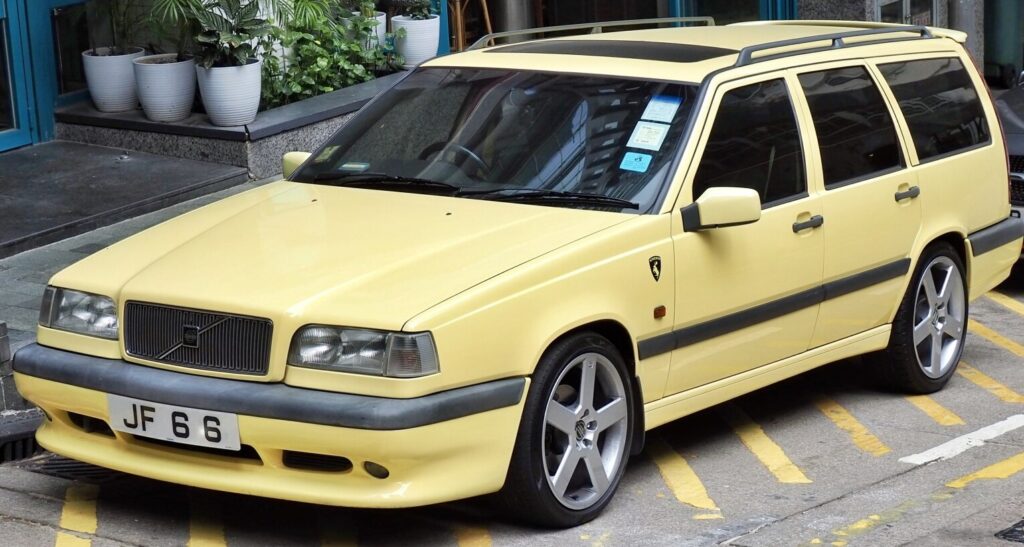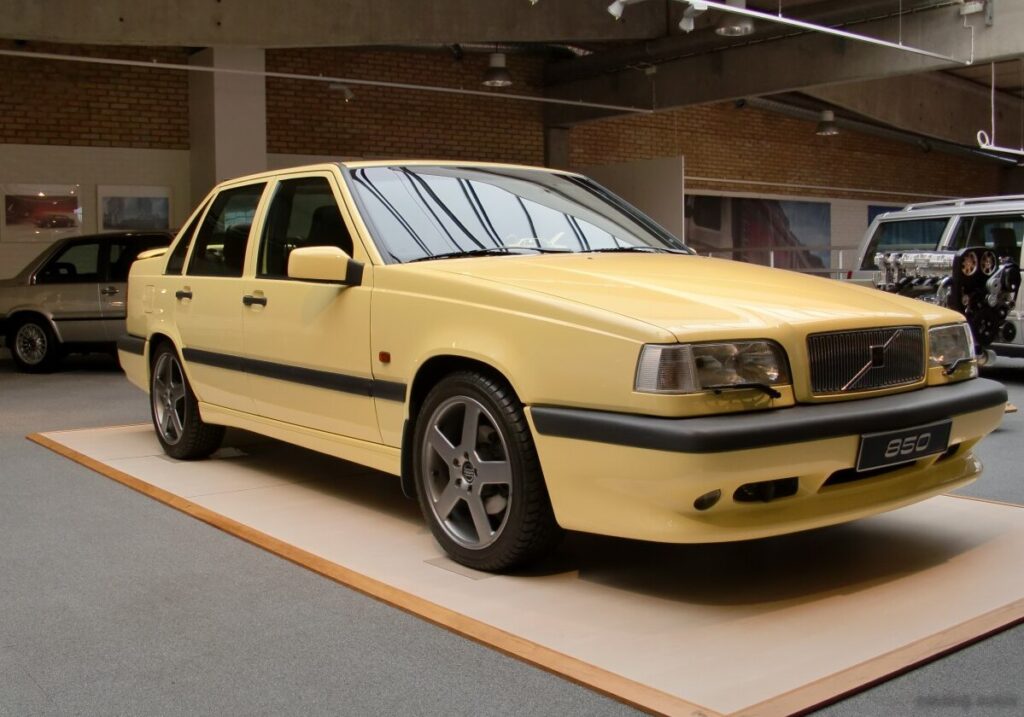
The Volvo 850 2.0 20V, produced between 1992 and 1996, represented a pivotal moment for the Swedish automaker. This model, part of the first generation 850 series (internally designated as the 850 LS), was Volvo’s attempt to enter the mid-size family car segment with a vehicle that prioritized safety, comfort, and a distinctively Scandinavian design. It was a departure from the more boxy Volvos of the past, embracing a more aerodynamic and modern aesthetic. The 2.0 20V variant, producing 143 horsepower, served as a strong contender within the lineup, offering a balance between performance and fuel efficiency. It was positioned as a step up from the base 850 models, appealing to buyers seeking a more spirited driving experience without the higher cost of the turbocharged options.
Technical Specifications
| Brand | Volvo |
| Model | 850 |
| Generation | 850 (LS) |
| Type (Engine) | 2.0 20V (143 Hp) |
| Start of production | 1992 |
| End of production | 1996 |
| Powertrain Architecture | Internal Combustion engine |
| Body type | Sedan |
| Seats | 5 |
| Fuel consumption (urban) | 9.4 l/100 km (25 US mpg, 30.1 UK mpg, 10.6 km/l) |
| Fuel consumption (extra urban) | 8 l/100 km (29.4 US mpg, 35.3 UK mpg, 12.5 km/l) |
| Fuel consumption (combined) | 8.8 l/100 km (26.7 US mpg, 32.1 UK mpg, 11.4 km/l) |
| Fuel Type | Petrol (Gasoline) |
| Maximum speed | 240 km/h (149.13 mph) |
| Power | 143 Hp |
| Power per litre | 71.5 Hp/l |
| Engine layout | Front, Transverse |
| Engine Model/Code | B5204S |
| Engine displacement | 2000 cm3 (122.05 cu. in.) |
| Number of cylinders | 5 |
| Engine configuration | Inline |
| Engine aspiration | Naturally aspirated engine |
| Engine oil capacity | 5.3 l (5.6 US qt | 4.66 UK qt) |
| Coolant capacity | 7.2 l (7.61 US qt | 6.34 UK qt) |
| Fuel tank capacity | 70 l (18.49 US gal | 15.4 UK gal) |
| Drivetrain | Front wheel drive |
| Number of gears & type | 5 gears, manual transmission |
| Front brakes | Disc |
| Rear brakes | Disc |
| Assisting systems | ABS (Anti-lock braking system) |
| Steering type | Steering rack and pinion |
| Power steering | Hydraulic Steering |
Powertrain & Engine Architecture
The heart of the 850 2.0 20V is the B5204S engine, a naturally aspirated, 2.0-liter inline five-cylinder gasoline engine. This engine was a significant engineering achievement for Volvo, representing a move towards more modern engine designs. The “20V” designation refers to the engine’s dual overhead camshafts (DOHC) operating four valves per cylinder, enhancing breathing and overall performance. Fuel delivery is managed by Bosch Motronic fuel injection, a sophisticated system for its time, optimizing fuel efficiency and reducing emissions. The inline-five configuration, while unusual, provided a smooth power delivery and a distinctive engine note. The engine’s robust construction and relatively simple design contributed to its long-term reliability. The 850 2.0 20V exclusively came with a 5-speed manual transmission, offering precise gear changes and a more engaging driving experience compared to the optional 4-speed automatic available on other 850 models.
Driving Characteristics
The 850 2.0 20V offered a balanced driving experience. With 143 horsepower and 132 lb-ft of torque, it wasn’t a sports car, but it provided ample power for everyday driving and comfortable highway cruising. Acceleration from 0 to 60 mph took around 9.5 seconds, respectable for the early 1990s. The five-speed manual transmission allowed drivers to fully utilize the engine’s powerband, providing good control and responsiveness. The gear ratios were well-matched, offering a good balance between acceleration and fuel economy. Compared to the turbocharged 850 T-5, the 2.0 20V lacked the outright punch of forced induction, but it offered a more linear power delivery and a more predictable driving experience. It also felt lighter and more nimble in corners than its turbocharged siblings.
Equipment & Trim Levels
The 850 2.0 20V typically came well-equipped, reflecting Volvo’s commitment to safety and comfort. Standard features included power windows and locks, central locking, a tilt steering wheel, and a basic audio system. Safety features were a major selling point, with standard ABS brakes and a reinforced safety cage. Interior upholstery was typically cloth, with options for leather available. Optional extras included a sunroof, upgraded audio systems, and heated front seats. The trim level, often referred to as the “LS” (Luxury Sedan), denoted a slightly higher level of equipment compared to the base 850 models. The dashboard layout was functional and ergonomically designed, prioritizing ease of use and driver visibility.
Chassis & Braking
The 850 2.0 20V utilized a MacPherson strut front suspension and a multi-link rear suspension, providing a comfortable ride and good handling characteristics. The suspension was tuned for comfort, absorbing bumps and irregularities in the road effectively. Front and rear disc brakes provided ample stopping power, aided by the standard ABS system. The steering was hydraulic power-assisted, offering light and precise steering feel. Stabilizer bars were fitted to both the front and rear axles, reducing body roll during cornering. The chassis was designed with safety in mind, incorporating a reinforced safety cage to protect occupants in the event of a collision.
Market Reception & Comparison
The Volvo 850 2.0 20V was generally well-received by automotive critics. It was praised for its safety, comfort, and distinctive styling. Critics noted the engine’s smooth power delivery and the car’s overall refinement. Fuel economy was considered good for its class, averaging around 26.7 mpg in combined driving. Compared to other mid-size sedans of the time, such as the Honda Accord and Toyota Camry, the 850 offered a more unique and European driving experience. However, some critics found the styling to be polarizing and the price to be slightly higher than its competitors. The 2.0 20V offered a compelling alternative to the turbocharged 850 T-5, appealing to buyers who prioritized fuel efficiency and a more relaxed driving experience.
Legacy
The Volvo 850 2.0 20V has proven to be a remarkably durable and reliable vehicle. The B5204S engine is known for its longevity, and many examples are still on the road today with high mileage. The car’s simple design and robust construction contribute to its reliability. In the used car market, the 850 2.0 20V is often sought after by enthusiasts and those looking for a safe, comfortable, and affordable family car. Parts availability is generally good, and maintenance costs are reasonable. The 850 series, as a whole, is credited with revitalizing Volvo’s image and paving the way for the company’s future success. It remains a fondly remembered and respected vehicle among automotive enthusiasts.