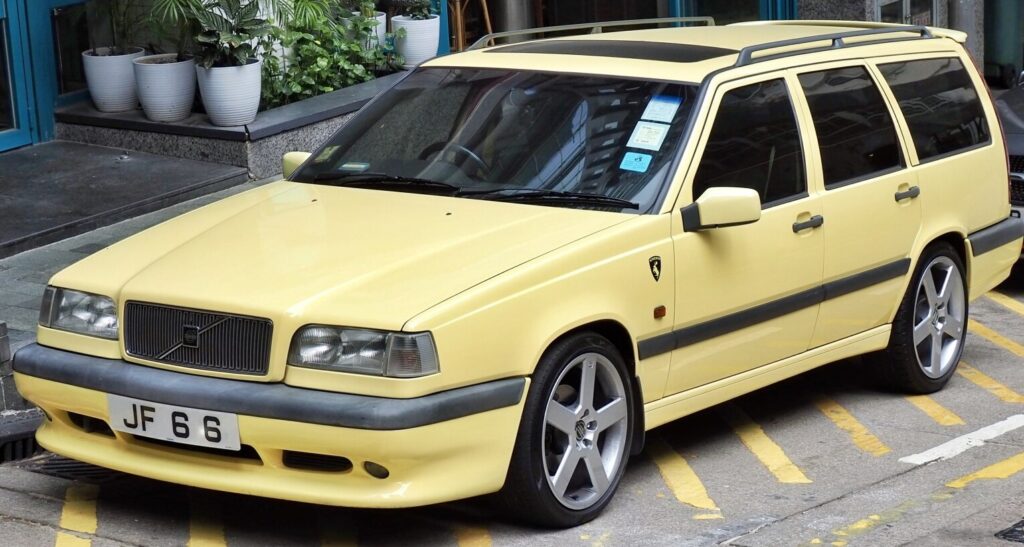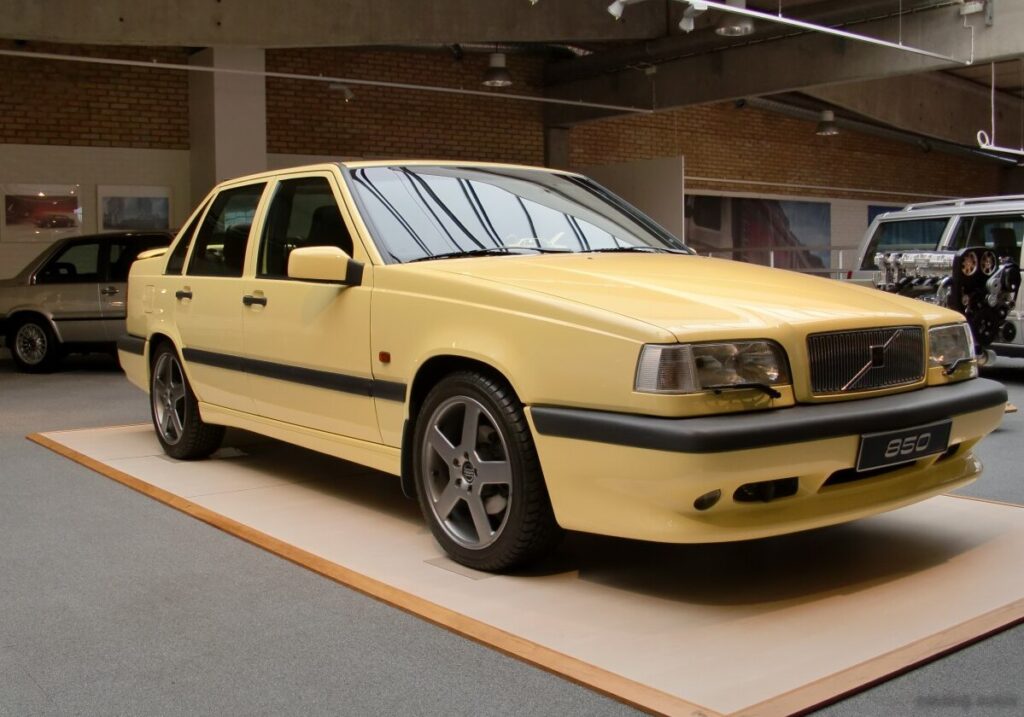
The Volvo 850 2.5 TDI, produced between 1995 and 1997, represented a significant step for Volvo in offering a diesel-powered option within its popular 850 range. This variant, often referred to as the LS trim in some markets, aimed to provide a blend of fuel efficiency and respectable performance, appealing to drivers seeking a practical and comfortable family sedan. It was positioned as a mid-range offering, slotting between the lower-powered gasoline engines and the higher-performance petrol turbo models. The 850 series, built on Volvo’s new (at the time) 850 platform, was a departure for the company, embracing more aerodynamic styling and a front-wheel-drive layout – a move away from their traditionally rear-wheel-drive configuration.
Technical Specifications
| Brand | Volvo |
| Model | 850 |
| Generation | 850 (LS) |
| Type (Engine) | 2.5 TDI (140 Hp) |
| Start of production | 1995 |
| End of production | 1997 |
| Powertrain Architecture | Internal Combustion engine |
| Body type | Sedan |
| Seats | 5 |
| Doors | 4 |
| Fuel Type | Diesel |
| Acceleration 0 – 100 km/h | 9.9 sec |
| Acceleration 0 – 62 mph | 9.9 sec |
| Acceleration 0 – 60 mph | 9.4 sec |
| Maximum speed | 200 km/h (124.27 mph) |
| Weight-to-power ratio | 10.4 kg/Hp, 96.1 Hp/tonne |
| Weight-to-torque ratio | 5 kg/Nm, 199 Nm/tonne |
| Power | 140 Hp @ 4000 rpm |
| Power per litre | 56.9 Hp/l |
| Torque | 290 Nm @ 1900 rpm (213.89 lb.-ft. @ 1900 rpm) |
| Engine layout | Front, Transverse |
| Engine Model/Code | D5252T |
| Engine displacement | 2461 cm3 (150.18 cu. in.) |
| Number of cylinders | 5 |
| Engine configuration | Inline |
| Cylinder Bore | 81 mm (3.19 in.) |
| Piston Stroke | 95.5 mm (3.76 in.) |
| Compression ratio | 20.5:1 |
| Number of valves per cylinder | 2 |
| Fuel injection system | Diesel Commonrail |
| Engine aspiration | Turbocharger |
| Valvetrain | OHC |
| Engine oil capacity | 6 l (6.34 US qt | 5.28 UK qt) |
| Coolant | 12 l (12.68 US qt | 10.56 UK qt) |
| Kerb Weight | 1457 kg (3212.14 lbs.) |
| Max. weight | 1960 kg (4321.06 lbs.) |
| Max load | 503 kg (1108.93 lbs.) |
| Trunk (boot) space – minimum | 445 l (15.72 cu. ft.) |
| Fuel tank capacity | 73 l (19.28 US gal | 16.06 UK gal) |
| Length | 4660 mm (183.46 in.) |
| Width | 1761 mm (69.33 in.) |
| Height | 1415 mm (55.71 in.) |
| Wheelbase | 2665 mm (104.92 in.) |
| Front track | 1520 mm (59.84 in.) |
| Rear (Back) track | 1470 mm (57.87 in.) |
| Drivetrain Architecture | The Internal combustion engine (ICE) drives the front wheels of the vehicle. |
| Drive wheel | Front wheel drive |
| Number of gears and type of gearbox | 5 gears, manual transmission |
| Front suspension | Wishbone |
| Rear suspension | Coil spring |
| Front brakes | Ventilated discs |
| Rear brakes | Disc |
| Assisting systems | ABS (Anti-lock braking system) |
| Steering type | Steering rack and pinion |
| Power steering | Hydraulic Steering |
| Tires size | 185/65 R15 |
| Wheel rims size | 15 |
Powertrain & Engine Architecture
The heart of the 850 2.5 TDI is the D5252T engine, a five-cylinder, 2.5-liter diesel powerplant. This engine utilized a direct injection system, a relatively advanced technology for diesel engines in the mid-1990s, contributing to improved fuel efficiency and reduced emissions. The engine featured an overhead camshaft (OHC) valvetrain and was turbocharged to boost power output to 140 horsepower and 290 Nm (213.89 lb-ft) of torque. The turbocharger provided a noticeable increase in performance compared to naturally aspirated diesel engines of the time. The engine’s robust construction and relatively simple design contributed to its longevity. The 850 TDI was exclusively offered with a 5-speed manual transmission, designed to handle the engine’s torque output. Automatic transmissions were not available with this engine configuration.
Driving Characteristics
The 850 2.5 TDI offered a distinctly different driving experience compared to its gasoline-powered siblings. While not as overtly sporty as the turbocharged petrol versions, the diesel provided strong low-end torque, making it a capable and relaxed cruiser. Acceleration to 60 mph took around 9.4 seconds, respectable for a family sedan of that era. The manual transmission allowed for precise control, and the gear ratios were well-suited to both city driving and highway cruising. The turbocharger did introduce a slight amount of turbo lag, but once spooled up, it provided a useful boost in power. Compared to the 850 2.0 or 2.3 non-turbo gasoline engines, the TDI offered significantly more torque, making it easier to carry a full load of passengers and luggage. However, it lacked the high-revving character and outright speed of the 850 T5.
Equipment & Trim Levels
The 850 2.5 TDI, typically sold as the LS trim, came reasonably well-equipped for its time. Standard features generally included power windows and locks, central locking, a basic audio system, and cloth upholstery. Safety features, a Volvo hallmark, were also prominent, with ABS (Anti-lock Braking System) being standard. Optional extras included a sunroof, upgraded audio systems, leather upholstery, and heated front seats. The interior design was typically Scandinavian – functional, comfortable, and understated. The dashboard layout was clean and straightforward, with easy-to-read gauges.
Chassis & Braking
The 850 2.5 TDI utilized a front-wheel-drive layout with independent wishbone suspension at the front and a coil spring rear suspension. This setup provided a comfortable ride and predictable handling. The front brakes were ventilated discs, offering good stopping power, while the rear brakes were solid discs. The steering was rack and pinion with hydraulic power assistance, providing a light and responsive feel. The chassis was designed to handle the increased weight of the diesel engine and its associated components. Stabilizer bars were fitted to both the front and rear axles to reduce body roll during cornering.
Market Reception & Comparison
The Volvo 850 2.5 TDI was generally well-received by automotive critics. It was praised for its fuel efficiency, comfortable ride, and strong torque output. However, some critics noted that the engine was somewhat noisy compared to gasoline engines and that the turbo lag was noticeable. Compared to other diesel-powered sedans of the time, the 850 TDI offered a good balance of performance, comfort, and practicality. It was often seen as a more refined and sophisticated alternative to some of the more utilitarian diesel offerings from other manufacturers. Fuel economy was a key selling point, with the TDI achieving significantly better mileage than its gasoline counterparts.
Legacy
The Volvo 850 2.5 TDI, while not the most common variant, has developed a loyal following among Volvo enthusiasts. The D5252T engine is known for its durability and reliability, and many examples are still on the road today. The 850 series, as a whole, is remembered as a pivotal model for Volvo, marking a shift towards more modern design and engineering. The TDI variant, in particular, represents a significant step in Volvo’s diesel engine development. In the used car market, well-maintained 850 2.5 TDI models are sought after by those looking for a classic Volvo with good fuel economy and a comfortable driving experience. Parts availability remains reasonable, contributing to the continued viability of these vehicles.