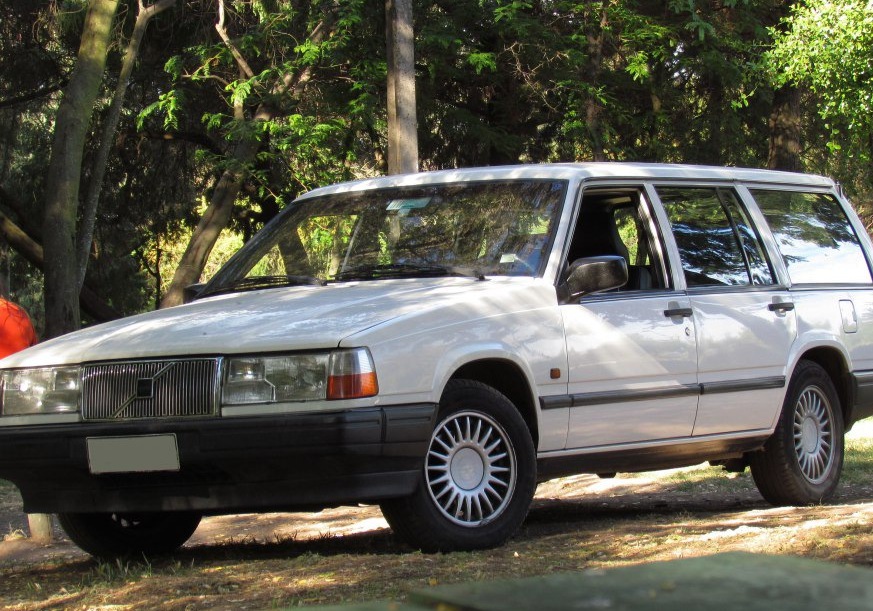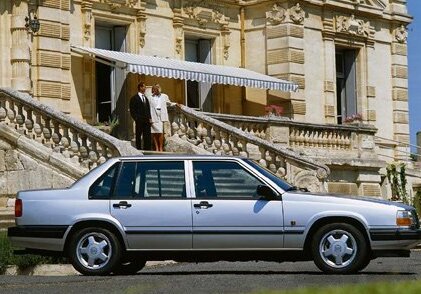
The Volvo 940 2.0 i 16V Turbo, produced between 1991 and 1994, represents a high-performance variant within the final generation of the Volvo 940 series (944 chassis code). Positioned as a premium offering, it combined a turbocharged four-cylinder engine with a focus on driver engagement. The 940 series, a continuation of the long-running 900 series, was Volvo’s flagship sedan during this period, known for its robust construction, safety features, and practicality. This particular iteration aimed to deliver a more spirited driving experience than the naturally aspirated models, appealing to enthusiasts while retaining Volvo’s core values.
Technical Specifications
| Brand | Volvo |
| Model | 940 |
| Generation | 940 (944) |
| Type (Engine) | 2.0 i 16V Turbo (190 Hp) |
| Start of production | 1991 |
| End of production | 1994 |
| Powertrain Architecture | Internal Combustion engine |
| Body type | Sedan |
| Seats | 5 |
| Doors | 4 |
| Fuel consumption (urban) | 12.7 l/100 km (18.5 US mpg, 22.2 UK mpg, 7.9 km/l) |
| Fuel consumption (extra urban) | 7.5 l/100 km (31.4 US mpg, 37.7 UK mpg, 13.3 km/l) |
| Fuel consumption (combined) | 9.8 l/100 km (24 US mpg, 28.8 UK mpg, 10.2 km/l) |
| Fuel Type | Petrol (Gasoline) |
| Acceleration 0 – 100 km/h | 8.2 sec |
| Acceleration 0 – 62 mph | 8.2 sec |
| Acceleration 0 – 60 mph | 7.8 sec |
| Maximum speed | 216 km/h (134.22 mph) |
| Weight-to-power ratio | 7.3 kg/Hp, 137.7 Hp/tonne |
| Weight-to-torque ratio | 4.9 kg/Nm, 202.9 Nm/tonne |
| Power | 190 Hp @ 5300 rpm |
| Power per litre | 95.4 Hp/l |
| Torque | 280 Nm @ 2950 rpm (206.52 lb.-ft. @ 2950 rpm) |
| Engine layout | Front, Longitudinal |
| Engine Model/Code | B204FT |
| Engine displacement | 1991 cm3 (121.5 cu. in.) |
| Number of cylinders | 4 |
| Engine configuration | Inline |
| Cylinder Bore | 89 mm (3.5 in.) |
| Piston Stroke | 80 mm (3.15 in.) |
| Compression ratio | 8.2:1 |
| Number of valves per cylinder | 4 |
| Fuel injection system | Multi-port manifold injection |
| Engine aspiration | Turbocharger |
| Valvetrain | DOHC |
| Engine oil capacity | 3.9 l (4.12 US qt | 3.43 UK qt) |
| Coolant capacity | 9.5 l (10.04 US qt | 8.36 UK qt) |
| Kerb Weight | 1380 kg (3042.38 lbs.) |
| Max. weight | 1880 kg (4144.69 lbs.) |
| Max load | 500 kg (1102.31 lbs.) |
| Trunk (boot) space – minimum | 471 l (16.63 cu. ft.) |
| Fuel tank capacity | 75 l (19.81 US gal | 16.5 UK gal) |
| Length | 4871 mm (191.77 in.) |
| Width | 1750 mm (68.9 in.) |
| Height | 1411 mm (55.55 in.) |
| Wheelbase | 2770 mm (109.06 in.) |
| Front track | 1470 mm (57.87 in.) |
| Rear (Back) track | 1460 mm (57.48 in.) |
| Drivetrain Architecture | Rear wheel drive |
| Drive wheel | Rear wheel drive |
| Number of gears and type of gearbox | 4 gears, manual transmission |
| Front suspension | Wishbone |
| Rear suspension | Coil spring |
| Front brakes | Ventilated discs |
| Rear brakes | Disc |
| Assisting systems | ABS (Anti-lock braking system), Hydraulic Steering |
| Tires size | 185/65 R15 V |
| Wheel rims size | 15 |
Powertrain & Engine Architecture
The heart of the 940 2.0 i 16V Turbo is the B204FT engine, a 1991cc inline-four cylinder powerplant. This engine builds upon the earlier B202 series, incorporating a 16-valve cylinder head and, crucially, a Mitsubishi TD04HL-13C turbocharger. The turbocharger significantly boosted power output compared to the naturally aspirated 940 variants. Fuel delivery is managed by Bosch LH 2.4 multi-port fuel injection, a sophisticated system for its time that optimized fuel atomization and delivery for improved performance and efficiency. The engine features a double overhead camshaft (DOHC) valvetrain, allowing for precise control of valve timing and contributing to the engine’s broader powerband. The B204FT boasts a compression ratio of 8.2:1, a compromise between performance and reliability when used with a turbocharger. The engine is longitudinally mounted in the engine bay, driving the rear wheels.
Driving Characteristics
The 190 horsepower and 280 Nm (206 lb-ft) of torque delivered by the B204FT engine transformed the driving experience of the 940. Acceleration to 60 mph was achieved in around 7.8 seconds, a respectable figure for a sedan of its size in the early 1990s. The turbocharger provides a noticeable surge of power as boost builds, offering strong acceleration in the mid-range. While not a particularly high-revving engine, the B204FT provides ample torque for comfortable cruising and overtaking. Compared to the non-turbocharged 940s, the 2.0 i 16V Turbo felt significantly more responsive and capable. The manual transmission, with its four forward gears, was well-matched to the engine’s characteristics, although some drivers found the gear ratios slightly spaced for optimal performance.
Equipment & Trim Levels
The 940 2.0 i 16V Turbo typically came well-equipped, reflecting its position as a premium trim level. Standard features included power windows, central locking, a sunroof, and a decent audio system. Interior upholstery was typically cloth, although leather options were available. The dashboard layout was functional and ergonomically designed, typical of Volvo’s focus on usability. Optional extras included automatic climate control, heated front seats, and upgraded audio systems. The exterior often featured body-colored bumpers and side moldings, adding to its more refined appearance.
Chassis & Braking
The 940’s chassis was robust and well-engineered, providing a comfortable ride and stable handling. The front suspension utilized a wishbone setup, while the rear employed a coil spring arrangement. Braking duties were handled by ventilated discs at the front and solid discs at the rear, providing adequate stopping power for the vehicle’s weight and performance. Anti-lock braking system (ABS) was standard, enhancing safety. The steering was hydraulic, offering a reasonable level of assistance without feeling overly light or disconnected.
Market Reception & Comparison
The 940 2.0 i 16V Turbo was generally well-received by automotive critics. It was praised for its strong performance, comfortable ride, and Volvo’s renowned safety features. However, some reviewers noted that the interior, while functional, lacked the visual flair of some competitors. Compared to the naturally aspirated 940 models, the Turbo offered a significant performance upgrade, but at a higher price point. Against rivals like the BMW 3 Series and Audi 80, the 940 Turbo offered a different proposition – a focus on practicality, safety, and durability rather than outright sporting prowess. Fuel economy, while not exceptional, was reasonable for a turbocharged engine of this era.
Legacy
The Volvo 940 2.0 i 16V Turbo has developed a loyal following among enthusiasts. The B204FT engine is known for its robustness and potential for modification. While not immune to age-related issues, these engines are generally reliable if properly maintained. Today, well-maintained examples are sought after by collectors and enthusiasts who appreciate the 940’s blend of performance, practicality, and classic Volvo character. The 940 Turbo represents a high point in Volvo’s rear-wheel-drive sedan lineage, and remains a distinctive and enjoyable classic car.