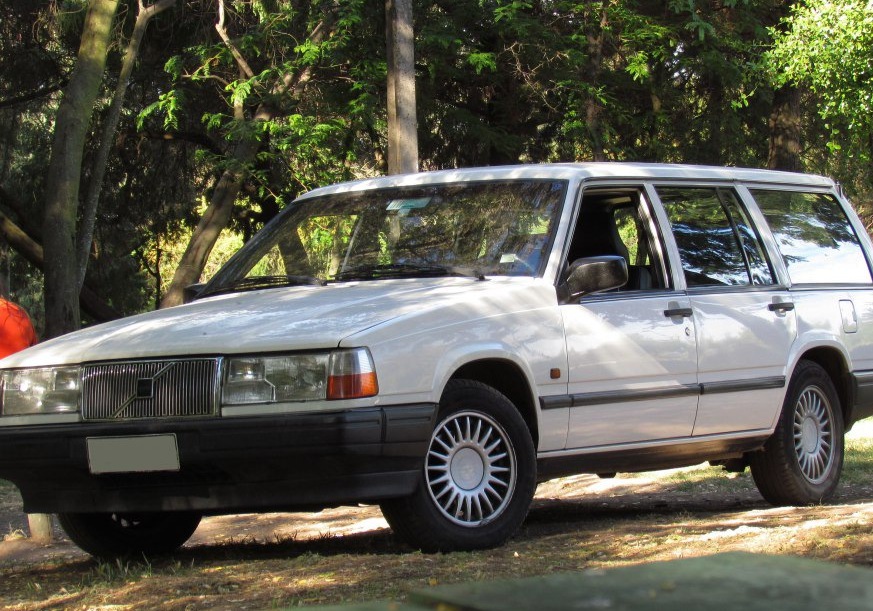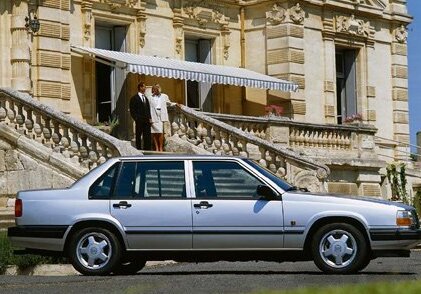
The Volvo 940 2.0i, produced between 1990 and 1994, represented a key iteration of Volvo’s long-running 900 series. Falling within the 944 chassis designation (referring to the four-door sedan body style), the 2.0i variant occupied a middle ground in the 940 lineup, offering a balance between affordability and reasonable performance. It was positioned as a more accessible alternative to the higher-performance 940 Turbo models, while providing a step up in refinement compared to the base 940 models with smaller engines. The 940 series, built on Volvo’s robust rear-wheel-drive platform, was renowned for its durability and safety, cementing Volvo’s reputation for building practical and long-lasting vehicles.
Technical Specifications
| Brand | Volvo |
| Model | 940 |
| Generation | 940 (944) |
| Type (Engine) | 2.0i (111 Hp) |
| Start of production | 1990 |
| End of production | 1994 |
| Powertrain Architecture | Internal Combustion engine |
| Body type | Sedan |
| Seats | 5 |
| Doors | 4 |
| Fuel consumption (urban) | 13.4 l/100 km (17.6 US mpg, 21.1 UK mpg, 7.5 km/l) |
| Fuel consumption (extra urban) | 7.3 l/100 km (32.2 US mpg, 38.7 UK mpg, 13.7 km/l) |
| Fuel consumption (combined) | 9.7 l/100 km (24.2 US mpg, 29.1 UK mpg, 10.3 km/l) |
| Fuel Type | Petrol (Gasoline) |
| Acceleration 0 – 100 km/h | 12.5 sec |
| Acceleration 0 – 62 mph | 12.5 sec |
| Acceleration 0 – 60 mph | 11.9 sec |
| Maximum speed | 173 km/h (107.5 mph) |
| Weight-to-power ratio | 12.3 kg/Hp, 81 Hp/tonne |
| Weight-to-torque ratio | 8.7 kg/Nm, 115.3 Nm/tonne |
| Power | 111 Hp @ 5700 rpm |
| Power per litre | 55.9 Hp/l |
| Torque | 158 Nm @ 2800 rpm (116.53 lb.-ft. @ 2800 rpm) |
| Engine layout | Front, Longitudinal |
| Engine Model/Code | B200F |
| Engine displacement | 1986 cm3 (121.19 cu. in.) |
| Number of cylinders | 4 |
| Engine configuration | Inline |
| Cylinder Bore | 88.9 mm (3.5 in.) |
| Piston Stroke | 80 mm (3.15 in.) |
| Compression ratio | 10:1 |
| Number of valves per cylinder | 2 |
| Fuel injection system | Multi-port manifold injection |
| Engine aspiration | Naturally aspirated engine |
| Valvetrain | OHC |
| Engine oil capacity | 3.9 l (4.12 US qt | 3.43 UK qt) |
| Coolant capacity | 8.5 l (8.98 US qt | 7.48 UK qt) |
| Kerb Weight | 1370 kg (3020.33 lbs.) |
| Max. weight | 1865 kg (4111.62 lbs.) |
| Max load | 495 kg (1091.29 lbs.) |
| Trunk (boot) space – minimum | 471 l (16.63 cu. ft.) |
| Fuel tank capacity | 75 l (19.81 US gal | 16.5 UK gal) |
| Length | 4871 mm (191.77 in.) |
| Width | 1750 mm (68.9 in.) |
| Height | 1425 mm (56.1 in.) |
| Wheelbase | 2770 mm (109.06 in.) |
| Front track | 1470 mm (57.87 in.) |
| Rear (Back) track | 1460 mm (57.48 in.) |
| Drivetrain Architecture | Rear wheel drive |
| Drive wheel | Rear wheel drive |
| Number of gears and type of gearbox | 5 gears, manual transmission |
| Front suspension | Wishbone |
| Rear suspension | Coil spring |
| Front brakes | Ventilated discs |
| Rear brakes | Disc |
| Assisting systems | ABS (Anti-lock braking system) |
| Power steering | Hydraulic Steering |
| Tires size | 195/65 R15 |
| Wheel rims size | 15 |
Powertrain & Engine Architecture
The heart of the 940 2.0i was the B200F engine, a 1.986-liter (121.19 cubic inches) inline-four cylinder powerplant. This engine was a descendant of Volvo’s long-standing red-block series, known for its robustness and over-engineering. The B200F featured a cast iron block and an aluminum cylinder head, employing a single overhead camshaft (OHC) design operating two valves per cylinder. Fuel delivery was handled by Bosch multi-port fuel injection, providing a more refined and efficient fuel atomization compared to earlier carbureted Volvo engines. The engine produced 111 horsepower at 5700 rpm and 158 Nm (116.53 lb-ft) of torque at 2800 rpm. The 940 2.0i was typically paired with a five-speed manual transmission, although a four-speed automatic transmission was also available, albeit less common. The automatic transmission, while offering convenience, did impact acceleration and fuel economy.
Driving Characteristics
The 940 2.0i with the manual transmission offered a reasonably engaging driving experience. While not a sports car, the engine provided adequate power for everyday driving and highway cruising. Acceleration from 0-60 mph took around 11.9 seconds, and top speed was approximately 107.5 mph. The automatic transmission version, however, noticeably dulled performance, extending the 0-60 mph time to around 12.5 seconds. The rear-wheel-drive layout provided a balanced feel, and the suspension, while tuned for comfort, offered decent handling characteristics. The 940 2.0i wasn’t about outright speed; it was about providing a comfortable, safe, and reliable driving experience.
Equipment & Trim Levels
The 940 2.0i typically came equipped with a respectable level of standard features for its time. These included power steering, central locking, and a basic stereo system. Interior upholstery was typically cloth, with options for leather available at an extra cost. Trim levels varied slightly depending on the market, but generally, the 2.0i offered a step up in interior appointments compared to the base models. Optional extras included a sunroof, upgraded audio systems, and heated front seats. The dashboard layout was functional and straightforward, prioritizing usability over flashy design.
Chassis & Braking
The 940 2.0i utilized a robust chassis featuring independent front suspension with wishbones and a coil-sprung solid rear axle. Braking was accomplished via ventilated discs on the front wheels and discs on the rear, providing adequate stopping power. Anti-lock braking system (ABS) was standard, enhancing safety in emergency braking situations. The 940’s relatively heavy weight (approximately 3020 lbs) contributed to its stable handling but also impacted acceleration and fuel economy.
Market Reception & Comparison
The 940 2.0i was generally well-received by automotive critics as a practical and reliable family sedan. It was praised for its safety features, comfortable ride, and durable construction. However, it was often criticized for its relatively modest performance, particularly in automatic transmission guise. Compared to the 940 Turbo models, the 2.0i offered significantly less power and acceleration. However, it was also more affordable to purchase and maintain. Compared to the smaller-engined 940 variants, the 2.0i provided a noticeable improvement in performance and refinement.
Legacy
The Volvo 940 2.0i has earned a reputation as a remarkably durable and long-lasting vehicle. Many examples are still on the road today, a testament to Volvo’s engineering prowess. The B200F engine is known for its reliability, and parts availability remains relatively good. In the used car market, the 940 2.0i represents a good value for those seeking a classic Volvo with a reputation for dependability. While not a collector’s item like the Turbo models, well-maintained 940 2.0i examples are increasingly sought after by enthusiasts and those looking for a safe, reliable, and affordable classic car.