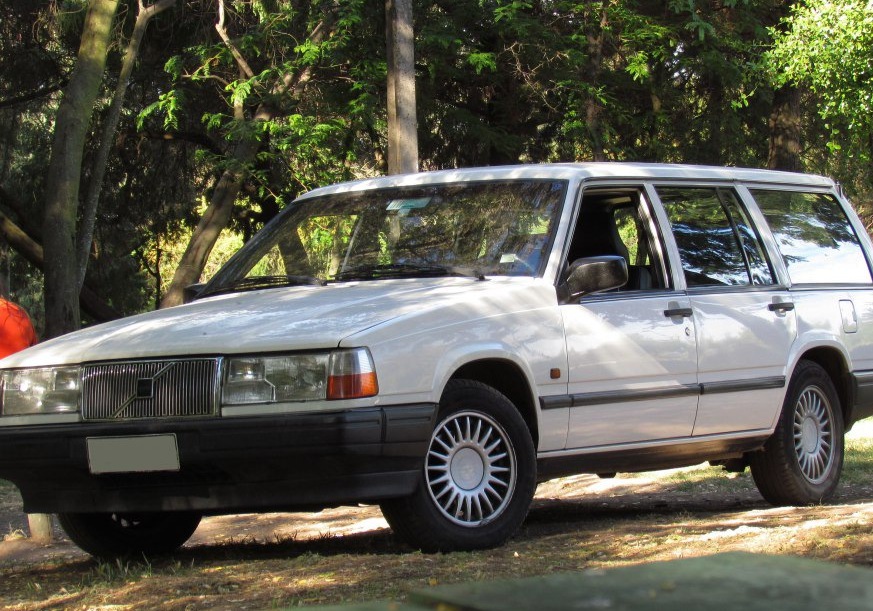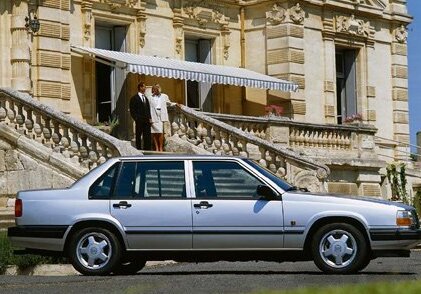
The Volvo 940 2.4 D, produced between 1990 and 1993, represents a pragmatic and durable offering within the final generation of the Volvo 900 series (internally designated the 944). Positioned as an entry-level diesel variant, it catered to buyers prioritizing fuel economy and longevity over outright performance. The 940 series, built on the P24 platform, was Volvo’s mainstay in the mid-size segment, known for its robust construction and commitment to safety. This particular diesel model aimed to provide a cost-effective and reliable transportation solution, especially in European markets where diesel fuel was more affordable and readily available.
Technical Specifications
| Brand | Volvo |
| Model | 940 |
| Generation | 940 (944) |
| Type (Engine) | 2.4 D (82 Hp) |
| Start of production | 1990 |
| End of production | 1993 |
| Powertrain Architecture | Internal Combustion engine |
| Body type | Sedan |
| Seats | 5 |
| Doors | 4 |
| Fuel consumption (urban) | 9.4 l/100 km (25 US mpg) |
| Fuel consumption (extra urban) | 6.1 l/100 km (38.6 US mpg) |
| Fuel consumption (combined) | 8.3 l/100 km (28.3 US mpg) |
| Fuel Type | Diesel |
| Acceleration 0 – 100 km/h | 17.5 sec |
| Acceleration 0 – 62 mph | 17.5 sec |
| Acceleration 0 – 60 mph | 16.6 sec |
| Maximum speed | 155 km/h (96.31 mph) |
| Weight-to-power ratio | 16.2 kg/Hp |
| Weight-to-torque ratio | 9.2 kg/Nm |
| Power | 82 Hp @ 4800 rpm |
| Torque | 145 Nm @ 2000 rpm (106.95 lb.-ft. @ 2000 rpm) |
| Engine layout | Front, Longitudinal |
| Engine Model/Code | D24T |
| Engine displacement | 2383 cm3 (145.42 cu. in.) |
| Number of cylinders | 6 |
| Engine configuration | Inline |
| Cylinder Bore | 76.5 mm (3.01 in.) |
| Piston Stroke | 86.4 mm (3.4 in.) |
| Compression ratio | 23:1 |
| Number of valves per cylinder | 2 |
| Fuel injection system | Precombustion chamber injection |
| Engine aspiration | Naturally aspirated |
| Valvetrain | OHC |
| Engine oil capacity | 6 l (6.34 US qt | 5.28 UK qt) |
| Coolant capacity | 9.5 l (10.04 US qt | 8.36 UK qt) |
| Kerb Weight | 1330 kg (2932.15 lbs.) |
| Max. weight | 1820 kg (4012.41 lbs.) |
| Max load | 490 kg (1080.27 lbs.) |
| Trunk (boot) space | 471 l (16.63 cu. ft.) |
| Fuel tank capacity | 75 l (19.81 US gal | 16.5 UK gal) |
| Length | 4871 mm (191.77 in.) |
| Width | 1750 mm (68.9 in.) |
| Height | 1411 mm (55.55 in.) |
| Wheelbase | 2770 mm (109.06 in.) |
| Front track | 1470 mm (57.87 in.) |
| Rear track | 1460 mm (57.48 in.) |
| Drivetrain Architecture | Rear wheel drive |
| Drive wheel | Rear wheel drive |
| Number of gears | 5 gears, manual transmission |
| Front suspension | Wishbone |
| Rear suspension | Coil spring |
| Front brakes | Ventilated discs |
| Rear brakes | Disc |
| Assisting systems | ABS (Anti-lock braking system) |
| Power steering | Hydraulic Steering |
| Tires size | 185/65 R15 V |
| Wheel rims size | 15 |
Powertrain & Engine Architecture
The heart of the 940 2.4 D is the Volvo D24T engine, a 2.4-liter inline-six cylinder diesel. This engine is a descendant of Volvo’s long-running D24 series, known for its robustness and simplicity. The D24T utilizes precombustion chamber injection, a system where fuel is injected into a small pre-chamber connected to the main combustion chamber. This design aids in cold starting and reduces engine noise compared to direct injection systems of the time. The engine produces 82 horsepower at 4800 rpm and 145 Nm (107 lb-ft) of torque at 2000 rpm. The five-speed manual transmission was standard, providing a relatively long-legged gearing setup optimized for fuel efficiency rather than rapid acceleration. The engine’s longitudinal mounting and rear-wheel drive configuration were traditional for Volvo at the time, contributing to a balanced chassis.
Driving Characteristics
The 940 2.4 D, with its 82 horsepower, was not designed for spirited driving. Acceleration was leisurely, taking approximately 17.5 seconds to reach 62 mph. However, the engine’s torque delivery was relatively smooth and usable from low engine speeds, making it suitable for everyday driving and hauling loads. The manual transmission, while not particularly sporty, offered precise shifts. Compared to the gasoline-powered 940 variants (like the 2.3L or the later 2.0L turbo), the diesel offered significantly better fuel economy but lacked the responsiveness and higher top speed. The diesel’s heavier engine also impacted handling, making the car feel slightly more ponderous in corners.
Equipment & Trim Levels
The 940 2.4 D typically came with a fairly basic level of equipment. Standard features included power steering, ventilated front disc brakes, and ABS. Interior appointments were functional and durable, with cloth upholstery and a straightforward dashboard layout. Optional extras included a sunroof, upgraded audio systems, and central locking. The trim level was generally considered the base offering within the 940 range, focusing on practicality and affordability. Higher trim levels, available with gasoline engines, offered more luxurious features like leather upholstery, wood trim, and automatic climate control.
Chassis & Braking
The 940 2.4 D utilized a robust chassis with a wishbone front suspension and a coil spring rear suspension. The rear brakes were discs, a step up from the drums found on some earlier models. The suspension was tuned for comfort and stability, providing a relatively smooth ride even on uneven surfaces. The car’s weight distribution was reasonably balanced, contributing to predictable handling. The hydraulic power steering provided assistance at low speeds, making maneuvering easier.
Market Reception & Comparison
The 940 2.4 D was well-received in markets where diesel fuel was economical and reliability was highly valued. Critics praised its fuel efficiency and durability, but noted its lack of performance. Compared to the gasoline-powered 940 models, the diesel offered significantly better fuel economy – around 28.3 US mpg combined – but at the cost of acceleration and refinement. The diesel also tended to be slightly more expensive to maintain due to the complexity of the fuel injection system. However, the D24 engine’s inherent robustness often resulted in lower overall repair costs over the long term.
Legacy
The Volvo 940 2.4 D has earned a reputation as a remarkably durable and reliable vehicle. Many examples are still on the road today, a testament to the quality of its construction and the longevity of the D24 engine. In the used car market, these models are often sought after by enthusiasts and those looking for a dependable and affordable classic car. The D24 engine is particularly well-regarded for its ability to withstand high mileage and its relatively simple design, making it easier to maintain and repair. While not a performance icon, the 940 2.4 D remains a respected and enduring example of Volvo’s commitment to building safe, reliable, and long-lasting automobiles.