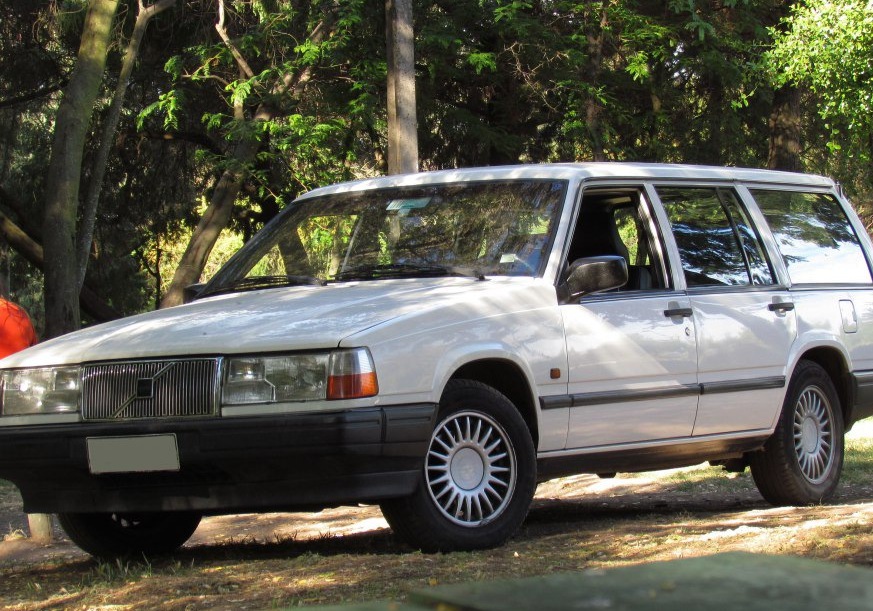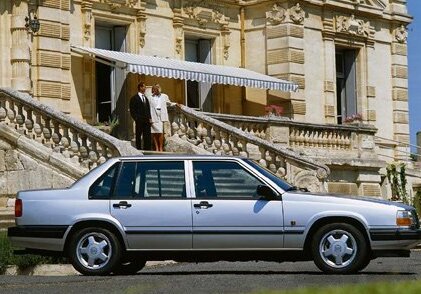
The Volvo 940 2.4 Turbo D, produced between 1992 and 1998, represents a compelling blend of Scandinavian practicality and turbocharged diesel performance. This variant, often designated as the 944 in some markets, occupied a significant position within the broader 940 series – the final iteration of Volvo’s long-running 900 series. It was positioned as a more economical and torque-rich alternative to the gasoline-powered 940s, appealing to drivers prioritizing fuel efficiency and towing capacity. The 940 series as a whole, built on the P24 platform, was renowned for its robust construction and longevity, cementing Volvo’s reputation for safety and reliability.
Technical Specifications
| Brand | Volvo |
| Model | 940 |
| Generation | 940 (944) |
| Type (Engine) | 2.4 Turbo D (122 Hp) |
| Start of production | 1992 |
| End of production | 1998 |
| Powertrain Architecture | Internal Combustion engine |
| Body type | Sedan |
| Seats | 5 |
| Doors | 4 |
| Fuel Type | Diesel |
| Acceleration 0 – 100 km/h | 11.6 sec |
| Acceleration 0 – 62 mph | 11.6 sec |
| Acceleration 0 – 60 mph | 11 sec |
| Maximum speed | 185 km/h (114.95 mph) |
| Weight-to-power ratio | 12 kg/Hp, 83.7 Hp/tonne |
| Weight-to-torque ratio | 6.2 kg/Nm, 161.2 Nm/tonne |
| Power | 122 Hp @ 4800 rpm |
| Power per litre | 51.2 Hp/l |
| Torque | 235 Nm @ 2400 rpm (173.33 lb.-ft. @ 2400 rpm) |
| Engine layout | Front, Longitudinal |
| Engine Model/Code | D24TIC |
| Engine displacement | 2383 cm3 (145.42 cu. in.) |
| Number of cylinders | 6 |
| Engine configuration | Inline |
| Cylinder Bore | 76.5 mm (3.01 in.) |
| Piston Stroke | 86.4 mm (3.4 in.) |
| Compression ratio | 23:1 |
| Number of valves per cylinder | 2 |
| Fuel injection system | Precombustion chamber injection |
| Engine aspiration | Turbocharger, Intercooler |
| Valvetrain | SOHC |
| Engine oil capacity | 6 l (6.34 US qt | 5.28 UK qt) |
| Coolant | 9.5 l (10.04 US qt | 8.36 UK qt) |
| Kerb Weight | 1458 kg (3214.34 lbs.) |
| Max. weight | 1945 kg (4287.99 lbs.) |
| Max load | 487 kg (1073.65 lbs.) |
| Trunk (boot) space – minimum | 470 l (16.6 cu. ft.) |
| Fuel tank capacity | 75 l (19.81 US gal | 16.5 UK gal) |
| Permitted trailer load with brakes (12%) | 1600 kg (3527.4 lbs.) |
| Permitted towbar download | 75 kg (165.35 lbs.) |
| Length | 4871 mm (191.77 in.) |
| Width | 1750 mm (68.9 in.) |
| Height | 1411 mm (55.55 in.) |
| Wheelbase | 2770 mm (109.06 in.) |
| Front track | 1470 mm (57.87 in.) |
| Rear (Back) track | 1460 mm (57.48 in.) |
| Drivetrain Architecture | Rear wheel drive |
| Number of gears and type of gearbox | 5 gears, manual transmission |
| Front suspension | Wishbone |
| Rear suspension | Coil spring |
| Front brakes | Ventilated discs |
| Rear brakes | Disc |
| Assisting systems | ABS (Anti-lock braking system) |
| Power steering | Hydraulic Steering |
| Tires size | 185/65 R15 |
| Wheel rims size | 15 |
Powertrain & Engine Architecture
The heart of the 940 2.4 Turbo D is the D24TIC engine, a 2.4-liter inline-six cylinder diesel. This engine is a direct descendant of Volvo’s venerable D24 series, known for its durability. The “TIC” designation signifies the addition of a turbocharger and intercooler, significantly boosting power output compared to naturally aspirated D24 diesels. The D24TIC utilizes a precombustion chamber injection system, a common diesel technology of the era. This system involves injecting fuel into a small precombustion chamber connected to the main cylinder, promoting more complete combustion and reducing engine noise. The engine features a single overhead camshaft (SOHC) valvetrain operating two valves per cylinder. The five-speed manual transmission was the standard offering, providing a good balance between fuel economy and drivability. The transmission’s gear ratios were tuned to take advantage of the engine’s strong low-end torque.
Driving Characteristics
The 940 2.4 Turbo D, with its 122 horsepower and 235 Nm (173 lb-ft) of torque, offered a distinctly different driving experience compared to its gasoline counterparts. Acceleration was respectable, taking around 11.6 seconds to reach 62 mph, but the real strength lay in its mid-range grunt. The turbocharger provided a noticeable boost in power, making overtaking and hill climbing relatively effortless. Compared to the higher-output gasoline 940s, the diesel felt less eager to rev, but its superior torque made it a more relaxed and capable cruiser, especially when carrying a load. The manual transmission, while not particularly sporty, was robust and provided precise shifts. The rear-wheel-drive configuration contributed to a balanced feel, although it could be challenging in slippery conditions without the aid of the ABS system.
Equipment & Trim Levels
The 940 2.4 Turbo D typically came with a fairly comprehensive level of standard equipment, reflecting Volvo’s commitment to safety and comfort. This included power steering, ABS brakes, and a comfortable interior with cloth upholstery. Higher trim levels offered options such as leather seats, sunroof, and upgraded audio systems. The dashboard layout was typical of Volvo’s design language of the period – functional and ergonomically designed. The 940 also featured a spacious interior and a large trunk, making it a practical choice for families and those needing to transport cargo.
Chassis & Braking
The 940’s chassis was a robust and well-engineered unit, designed to withstand the rigors of daily use and provide a comfortable ride. The front suspension utilized a wishbone setup, while the rear featured a coil spring arrangement. Braking duties were handled by ventilated discs at the front and solid discs at the rear. The ABS system, standard on the Turbo D, significantly improved braking performance, particularly on slippery surfaces. Stabilizer bars were fitted to both the front and rear axles to reduce body roll during cornering.
Market Reception & Comparison
The 940 2.4 Turbo D was generally well-received by automotive critics, who praised its fuel efficiency, strong torque, and robust construction. It was often seen as a sensible and practical choice for those seeking a durable and reliable family car. Compared to the gasoline-powered 940s, the diesel offered significantly better fuel economy, making it a more economical option for high-mileage drivers. However, it was generally slower in acceleration and produced more engine noise. Compared to other diesel-powered cars of the era, the 940 Turbo D stood out for its refined engine and comfortable ride.
Legacy
The Volvo 940 2.4 Turbo D has earned a reputation as a remarkably durable and long-lasting vehicle. Many examples are still on the road today, a testament to the quality of its engineering and construction. The D24TIC engine, in particular, is known for its ability to withstand high mileage with proper maintenance. In the used car market, the 940 Turbo D remains a popular choice for those seeking a classic Volvo with a reliable diesel engine. Its simplicity and robust design make it relatively easy to maintain and repair, further adding to its appeal. The 940 series, and the 2.4 Turbo D variant specifically, represents a high point in Volvo’s history, embodying the brand’s core values of safety, durability, and practicality.