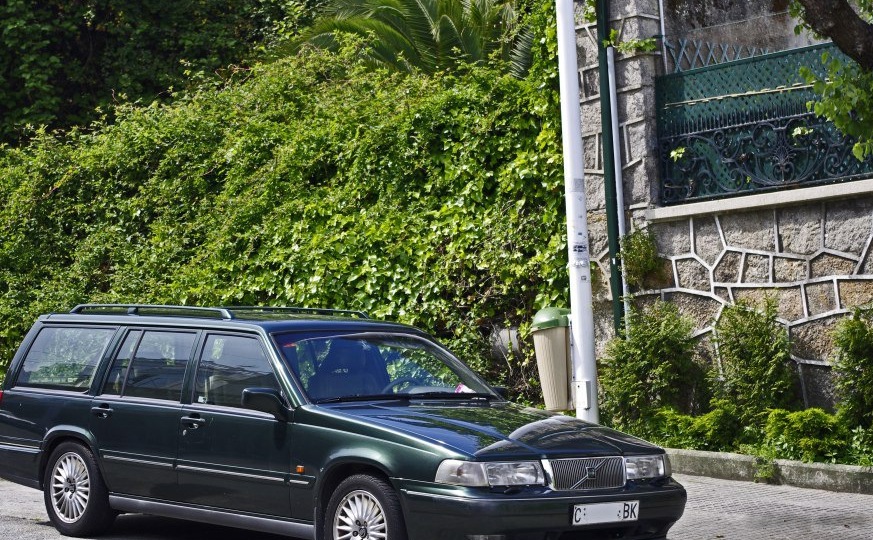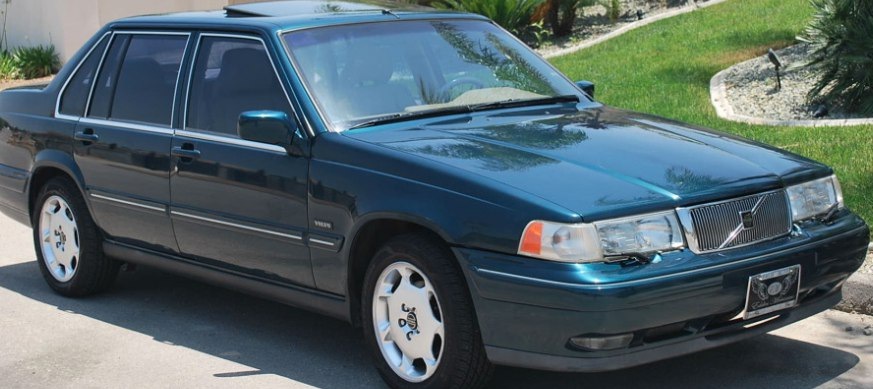
The Volvo 960, specifically the 2.0 i 16V variant produced between 1990 and 1994, represented a significant step forward for the Swedish automaker. Falling under the 964 chassis code, this model served as Volvo’s flagship sedan during a period of transition, bridging the gap between the older 700-series and the more modern 850. The 2.0 i 16V occupied a middle ground in the 960 lineup, offering a balance of performance and refinement compared to the base models, while remaining more accessible than the range-topping turbocharged versions. It was primarily marketed towards buyers seeking a comfortable, safe, and relatively sporty sedan for family use, particularly in Europe where Volvo had a strong reputation.
Technical Specifications
| Brand | Volvo |
| Model | 960 |
| Generation | 960 (964) |
| Type (Engine) | 2.0 i 16V (190 Hp) |
| Start of production | August, 1990 |
| End of production | July, 1994 |
| Powertrain Architecture | Internal Combustion engine |
| Body type | Sedan |
| Seats | 5 |
| Doors | 4 |
| Fuel consumption (urban) | 15 l/100 km (15.7 US mpg, 18.8 UK mpg, 6.7 km/l) |
| Fuel consumption (extra urban) | 9 l/100 km (26.1 US mpg, 31.4 UK mpg, 11.1 km/l) |
| Fuel Type | Petrol (Gasoline) |
| Maximum speed | 210 km/h (130.49 mph) |
| Power | 190 Hp @ 5300 rpm |
| Power per litre | 95.4 Hp/l |
| Torque | 280 Nm @ 2950 rpm (206.52 lb.-ft. @ 2950 rpm) |
| Engine layout | Front, Longitudinal |
| Engine Model/Code | B204FT |
| Engine displacement | 1991 cm3 (121.5 cu. in.) |
| Number of cylinders | 4 |
| Engine configuration | Inline |
| Cylinder Bore | 89 mm (3.5 in.) |
| Piston Stroke | 80 mm (3.15 in.) |
| Compression ratio | 8.2:1 |
| Number of valves per cylinder | 4 |
| Fuel injection system | Multi-port manifold injection |
| Engine aspiration | Turbocharger |
| Valvetrain | DOHC |
| Engine oil capacity | 3.9 l (4.12 US qt | 3.43 UK qt) |
| Coolant | 9.5 l (10.04 US qt | 8.36 UK qt) |
| Trunk (boot) space (minimum) | 491 l (17.34 cu. ft.) |
| Fuel tank capacity | 80 l (21.13 US gal | 17.6 UK gal) |
| Length | 4871 mm (191.77 in.) |
| Width | 1750 mm (68.9 in.) |
| Height | 1411 mm (55.55 in.) |
| Wheelbase | 2770 mm (109.06 in.) |
| Front track | 1502 mm (59.13 in.) |
| Rear track | 1502 mm (59.13 in.) |
| Drivetrain Architecture | The Internal combustion engine (ICE) drives the rear wheels of the vehicle. |
| Drive wheel | Rear wheel drive |
| Number of gears and type of gearbox | 4 gears, manual transmission |
| Front suspension | Wishbone |
| Rear suspension | Coil spring |
| Front brakes | Ventilated discs |
| Rear brakes | Disc |
| Assisting systems | ABS (Anti-lock braking system), Hydraulic Steering |
| Tires size | 205/55 R16 |
| Wheel rims size | 16 |
Powertrain & Engine Architecture
The heart of the 960 2.0 i 16V is the B204FT engine, a 1991cc inline-four cylinder powerplant. This engine featured a cast iron block and an aluminum cylinder head, incorporating dual overhead camshafts (DOHC) and four valves per cylinder. The “16V” designation refers to this four-valve configuration, which improved breathing and contributed to the engine’s relatively high output for its displacement. Fuel delivery was handled by a Bosch multi-port fuel injection system, providing precise control over the air-fuel mixture. The B204FT was turbocharged, providing a significant boost in power and torque. The turbocharger itself was a Garrett unit, carefully matched to the engine’s characteristics. The 960 2.0 i 16V was typically paired with a four-speed automatic transmission, although a five-speed manual was also available. The automatic transmission, while offering convenience, was known for its somewhat conservative shift programming, prioritizing smoothness over outright performance.
Driving Characteristics
The 960 2.0 i 16V with the automatic transmission offered a comfortable and refined driving experience. Acceleration was adequate, with the turbocharger providing a noticeable surge of power once boost pressure built up. However, the automatic transmission’s shift points could feel somewhat sluggish, especially when compared to the more responsive manual gearbox. The rear-wheel-drive layout provided a balanced feel, although it wasn’t particularly sporty. Steering was light and precise, making the car easy to maneuver in urban environments. The suspension, tuned for comfort, absorbed bumps and imperfections in the road well, but didn’t offer a particularly engaging driving experience. Compared to the higher-output turbocharged versions of the 960, the 2.0 i 16V felt less powerful, but it also offered better fuel economy and a more relaxed driving experience.
Equipment & Trim Levels
The 960 2.0 i 16V typically came well-equipped, reflecting Volvo’s commitment to safety and comfort. Standard features included power windows, power locks, central locking, and a basic audio system. The interior was typically upholstered in cloth, although leather was available as an option. Dashboard design was functional and understated, with a focus on ergonomics. Optional extras included a sunroof, upgraded audio systems, and climate control. Safety features were a major selling point for Volvo, and the 960 2.0 i 16V came standard with ABS anti-lock brakes and a robust safety cage.
Chassis & Braking
The 960 2.0 i 16V utilized a traditional body-on-frame construction, providing a solid and durable platform. The front suspension featured independent wishbones, while the rear suspension employed a coil-sprung solid axle. Brakes were ventilated discs at the front and solid discs at the rear, providing adequate stopping power. The ABS system helped to prevent wheel lockup during hard braking, enhancing safety. Stabilizer bars were fitted to both the front and rear axles to reduce body roll during cornering.
Market Reception & Comparison
The Volvo 960 2.0 i 16V was generally well-received by critics, who praised its comfort, safety, and build quality. However, some reviewers noted that the automatic transmission felt somewhat dated and that the car lacked the sporty handling of some of its competitors. Compared to the base 960 models, the 2.0 i 16V offered a significant performance upgrade, while remaining more affordable than the turbocharged versions. Fuel economy was reasonable for a car of its size and class, although it wasn’t class-leading. Reliability was generally good, although the turbocharger could be a potential source of problems if not properly maintained.
Legacy
The Volvo 960 2.0 i 16V, while not as iconic as some of Volvo’s other models, remains a respected and sought-after classic car. The B204FT engine is known for its durability and tunability, and many examples are still on the road today. The car’s simple, robust construction and readily available parts make it relatively easy to maintain. In the used car market, well-maintained examples of the 960 2.0 i 16V command a reasonable price, appealing to enthusiasts who appreciate its classic Volvo charm and understated elegance. The 960 paved the way for Volvo’s future models, incorporating many of the safety and technology features that would become hallmarks of the brand.