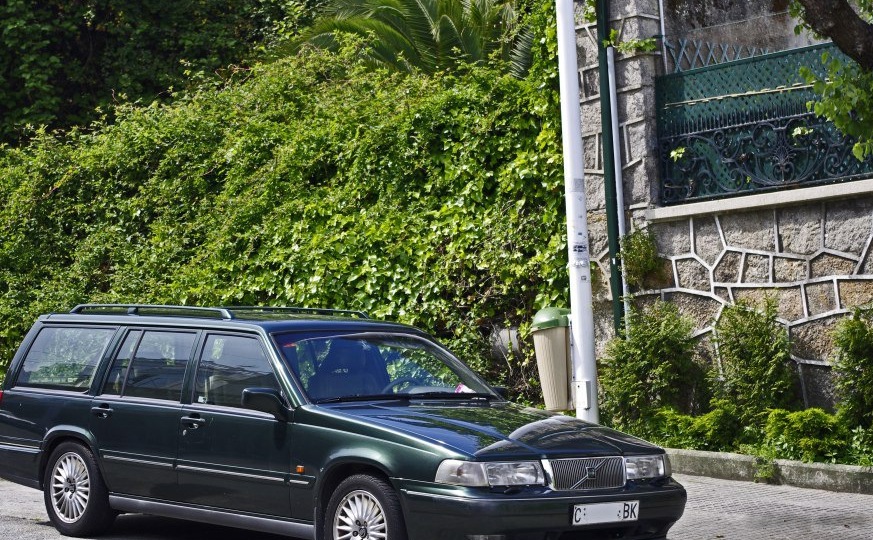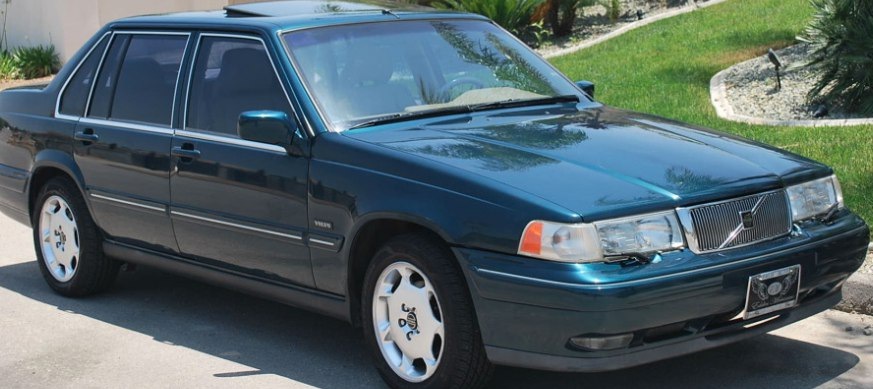
The Volvo 960 2.5i 24V, produced between September 1994 and December 1996, represented a significant evolution in Volvo’s lineup. Part of the 960 (964) generation, this variant occupied a middle ground, offering a balance between performance and refinement. It was positioned above the base 2.0L models and below the more powerful turbocharged variants, appealing to buyers seeking a comfortable and capable grand touring sedan. The 960 series, and specifically this 2.5L 24-valve iteration, aimed to continue Volvo’s reputation for safety and durability while incorporating more modern technology and design elements.
Technical Specifications
| Brand | Volvo |
| Model | 960 |
| Generation | 960 (964) |
| Type (Engine) | 2.5 i 24V (170 Hp) |
| Start of production | September, 1994 |
| End of production | December, 1996 |
| Powertrain Architecture | Internal Combustion engine |
| Body type | Sedan |
| Seats | 5 |
| Doors | 4 |
| Fuel consumption (combined) | 10.5 l/100 km |
| Fuel consumption (US mpg) | 22.4 US mpg |
| Fuel consumption (UK mpg) | 26.9 UK mpg |
| Fuel consumption (km/l) | 9.5 km/l |
| Fuel Type | Petrol (Gasoline) |
| Acceleration 0 – 100 km/h | 9.7 sec |
| Acceleration 0 – 62 mph | 9.7 sec |
| Acceleration 0 – 60 mph | 9.2 sec |
| Maximum speed | 210 km/h (130.49 mph) |
| Weight-to-power ratio | 9.4 kg/Hp |
| Weight-to-torque ratio | 7 kg/Nm |
| Power | 170 Hp @ 5700 rpm |
| Power per litre | 68.7 Hp/l |
| Torque | 230 Nm @ 4400 rpm (169.64 lb.-ft. @ 4400 rpm) |
| Engine layout | Front, Longitudinal |
| Engine Model/Code | B6254S |
| Engine displacement | 2473 cm3 (150.91 cu. in.) |
| Number of cylinders | 6 |
| Engine configuration | Inline |
| Cylinder Bore | 81 mm (3.19 in.) |
| Piston Stroke | 80 mm (3.15 in.) |
| Compression ratio | 10.5:1 |
| Number of valves per cylinder | 4 |
| Fuel injection system | Multi-port manifold injection |
| Engine aspiration | Naturally aspirated engine |
| Valvetrain | DOHC |
| Engine oil capacity | 5.8 l (6.13 US qt | 5.1 UK qt) |
| Coolant capacity | 10.7 l (11.31 US qt | 9.41 UK qt) |
| Kerb Weight | 1600 kg (3527.4 lbs.) |
| Max. weight | 1960 kg (4321.06 lbs.) |
| Max load | 360 kg (793.66 lbs.) |
| Trunk (boot) space – minimum | 491 l (17.34 cu. ft.) |
| Fuel tank capacity | 80 l (21.13 US gal | 17.6 UK gal) |
| Length | 4871 mm (191.77 in.) |
| Width | 1750 mm (68.9 in.) |
| Height | 1411 mm (55.55 in.) |
| Wheelbase | 2770 mm (109.06 in.) |
| Front track | 1502 mm (59.13 in.) |
| Rear (Back) track | 1502 mm (59.13 in.) |
| Drivetrain Architecture | Rear wheel drive |
| Drive wheel | Rear wheel drive |
| Number of gears and type of gearbox | 5 gears, manual transmission |
| Front suspension | Wishbone |
| Rear suspension | Coil spring |
| Front brakes | Ventilated discs |
| Rear brakes | Disc |
| Assisting systems | ABS (Anti-lock braking system) |
| Power steering | Hydraulic Steering |
| Tires size | 195/65 R15 V |
| Wheel rims size | 15 |
Powertrain & Engine Architecture
The heart of the 960 2.5i 24V is the B6254S engine, a naturally aspirated, inline-six cylinder powerplant displacing 2.5 liters (2473 cc). This engine utilized a cast iron block with an aluminum cylinder head, a common configuration for Volvo at the time. The “24V” designation refers to the four valves per cylinder (dual overhead camshafts – DOHC), contributing to improved breathing and higher power output compared to earlier Volvo engines. Fuel delivery was managed by a Bosch multi-port fuel injection system, providing precise fuel metering for optimal combustion. The engine’s robust construction and relatively simple design contributed to its reputation for reliability. The 960 2.5i 24V was typically paired with a 5-speed manual transmission, although a 4-speed automatic transmission was also available, impacting performance and fuel economy.
Driving Characteristics
The 960 2.5i 24V offered a refined driving experience, prioritizing comfort and stability over outright sportiness. With 170 horsepower and 230 Nm (169.64 lb-ft) of torque, acceleration was adequate, achieving 0-60 mph in around 9.2 seconds. The inline-six engine delivered a smooth and linear power delivery, making it well-suited for long-distance cruising. The manual transmission provided precise gear changes, while the optional automatic, though less engaging, offered convenience. Compared to the turbocharged 960 models, the 2.5i 24V lacked the immediate punch of forced induction, but it offered a more predictable and manageable powerband. The rear-wheel-drive configuration provided a balanced feel, although it wasn’t as nimble as front-wheel-drive competitors.
Equipment & Trim Levels
The 960 2.5i 24V typically came well-equipped, reflecting Volvo’s commitment to safety and comfort. Standard features included power windows, power locks, central locking, and a basic audio system. Upholstery was typically cloth, although leather was available as an option. Higher trim levels could include features like a sunroof, upgraded audio systems, and wood trim interior accents. Safety features were a hallmark of Volvo, and the 960 2.5i 24V included standard ABS brakes and a robust safety cage construction. Optional equipment often included heated front seats and automatic climate control.
Chassis & Braking
The 960 2.5i 24V utilized a traditional chassis design with an independent front suspension featuring wishbones and coil springs. The rear suspension employed a coil-sprung solid axle. This setup prioritized ride comfort and stability. Braking duties were handled by ventilated discs at the front and solid discs at the rear, providing adequate stopping power. The ABS system enhanced braking performance, particularly in slippery conditions. Steering was hydraulic power-assisted, offering a relatively light and responsive feel.
Market Reception & Comparison
The Volvo 960 2.5i 24V was generally well-received by automotive critics. It was praised for its comfortable ride, spacious interior, and strong build quality. However, some critics noted its relatively modest performance compared to competitors and its somewhat dated styling. Fuel economy was considered average for its class, around 22.4 US mpg combined. Compared to the turbocharged 960 models, the 2.5i 24V offered a lower price point and potentially lower maintenance costs, making it an attractive option for buyers prioritizing value and reliability. Compared to the 2.0L base models, the 2.5i 24V offered a noticeable performance improvement.
Legacy
The Volvo 960 2.5i 24V has developed a loyal following among enthusiasts. The B6254S engine is known for its durability and relatively simple maintenance requirements. While parts availability can be a challenge due to the car’s age, the engine’s robust construction often allows it to withstand high mileage. Today, well-maintained examples of the 960 2.5i 24V are sought after by collectors and enthusiasts who appreciate its classic Volvo character and comfortable driving experience. The car represents a transitional period for Volvo, bridging the gap between its traditional, boxy designs and its more modern, aerodynamic styling.