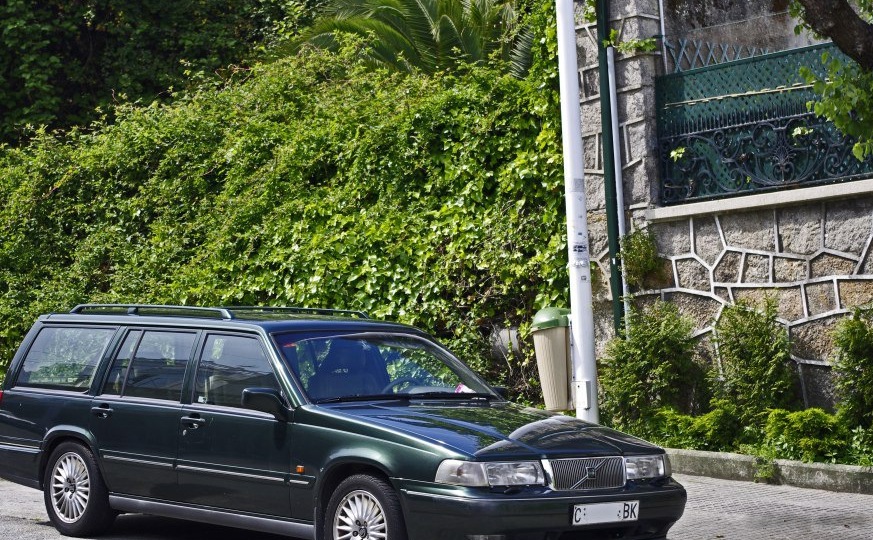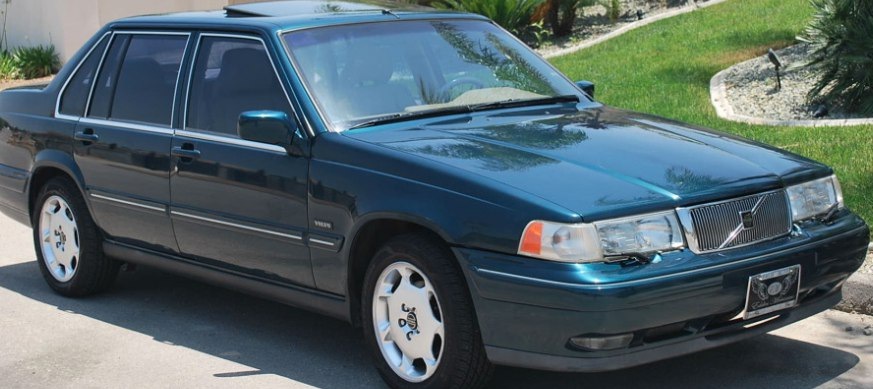
The Volvo 960 3.0i 24V, produced between September 1990 and September 1994, represented a significant step forward for Volvo in the executive sedan market. Part of the 960 (964) series, this variant was positioned as the premium offering within the lineup, boasting a potent 3.0-liter inline-six engine and a four-speed automatic transmission. It served as a flagship model, showcasing Volvo’s commitment to safety, comfort, and performance, primarily aimed at buyers in Europe and North America seeking a refined and capable grand tourer. The 960 series, built on the P90 platform, was a successor to the 760 and 780, offering a more modern design and improved technology.
Technical Specifications
| Brand | Volvo |
| Model | 960 |
| Generation | 960 (964) |
| Type (Engine) | 3.0 i 24V (204 Hp) |
| Start of production | September, 1990 |
| End of production | September, 1994 |
| Powertrain Architecture | Internal Combustion engine |
| Body type | Sedan |
| Seats | 5 |
| Doors | 4 |
| Fuel consumption (urban) | 16.5 l/100 km (14.3 US mpg, 17.1 UK mpg, 6.1 km/l) |
| Fuel consumption (extra urban) | 8.4 l/100 km (28 US mpg, 33.6 UK mpg, 11.9 km/l) |
| Fuel consumption (combined) | 11.1 l/100 km (21.2 US mpg, 25.4 UK mpg, 9 km/l) |
| Fuel Type | Petrol (Gasoline) |
| Acceleration 0 – 100 km/h | 9.1 sec |
| Acceleration 0 – 62 mph | 9.1 sec |
| Acceleration 0 – 60 mph | 8.6 sec |
| Maximum speed | 210 km/h (130.49 mph) |
| Weight-to-power ratio | 7.8 kg/Hp, 127.5 Hp/tonne |
| Weight-to-torque ratio | 6 kg/Nm, 166.9 Nm/tonne |
| Power | 204 Hp @ 6000 rpm |
| Power per litre | 69.8 Hp/l |
| Torque | 267 Nm @ 4300 rpm (196.93 lb.-ft. @ 4300 rpm) |
| Engine layout | Front, Longitudinal |
| Engine Model/Code | B6304F |
| Engine displacement | 2922 cm3 (178.31 cu. in.) |
| Number of cylinders | 6 |
| Engine configuration | Inline |
| Cylinder Bore | 83 mm (3.27 in.) |
| Piston Stroke | 90 mm (3.54 in.) |
| Compression ratio | 10.7:1 |
| Number of valves per cylinder | 4 |
| Fuel injection system | Multi-port manifold injection |
| Engine aspiration | Naturally aspirated engine |
| Valvetrain | DOHC |
| Engine oil capacity | 5.8 l (6.13 US qt | 5.1 UK qt) |
| Coolant | 10 l (10.57 US qt | 8.8 UK qt) |
| Kerb Weight | 1600 kg (3527.4 lbs.) |
| Max. weight | 1960 kg (4321.06 lbs.) |
| Max load | 360 kg (793.66 lbs.) |
| Trunk (boot) space – minimum | 491 l (17.34 cu. ft.) |
| Fuel tank capacity | 80 l (21.13 US gal | 17.6 UK gal) |
| Length | 4871 mm (191.77 in.) |
| Width | 1750 mm (68.9 in.) |
| Height | 1411 mm (55.55 in.) |
| Wheelbase | 2770 mm (109.06 in.) |
| Front track | 1502 mm (59.13 in.) |
| Rear (Back) track | 1502 mm (59.13 in.) |
| Drivetrain Architecture | The Internal combustion engine (ICE) drives the rear wheels of the vehicle. |
| Drive wheel | Rear wheel drive |
| Number of gears and type of gearbox | 4 gears, automatic transmission |
| Front suspension | Wishbone |
| Rear suspension | Coil spring |
| Front brakes | Ventilated discs |
| Rear brakes | Disc |
| Assisting systems | ABS (Anti-lock braking system), Hydraulic Steering |
| Tires size | 195/65 R15 V |
| Wheel rims size | 15 |
Powertrain & Engine Architecture
The heart of the 960 3.0i 24V is the B6304F engine, a 2.9-liter inline-six cylinder powerplant. This engine featured a cast iron block and an aluminum cylinder head, incorporating a dual overhead camshaft (DOHC) design with four valves per cylinder – hence the “24V” designation. Fuel delivery was managed by Bosch LH 2.4 multi-port fuel injection, providing precise control over the air-fuel mixture. The engine’s robust construction and sophisticated valvetrain contributed to its smooth power delivery and relatively high specific output for its time. The four-speed automatic transmission, a common unit in Volvo models of the era, was designed for comfortable cruising rather than outright performance. It featured electronic control for smoother shifts, but lacked the responsiveness of a manual gearbox.
Driving Characteristics
The 960 3.0i 24V with the automatic transmission offered a relaxed and refined driving experience. While the 204 horsepower and 196.93 lb-ft of torque were respectable, the automatic gearbox and the car’s substantial weight (approximately 3527 lbs) meant that acceleration wasn’t particularly brisk. 0-60 mph took around 8.6 seconds. The automatic transmission’s gear ratios were geared towards fuel efficiency and smooth cruising, rather than aggressive acceleration. Compared to the five-speed manual version, the automatic felt noticeably slower. However, the 960 excelled as a long-distance cruiser, offering a comfortable ride and quiet cabin. The rear-wheel-drive configuration provided balanced handling, although it wasn’t as sporty as some of its competitors.
Equipment & Trim Levels
The 960 3.0i 24V typically came well-equipped, reflecting its position as the top-of-the-line model. Standard features included power windows, power locks, a sunroof, leather upholstery, and a premium sound system. Air conditioning was also standard. Optional extras included a trip computer, heated front seats, and upgraded audio systems. The interior was characterized by its Scandinavian design, emphasizing simplicity and functionality. The dashboard layout was clean and intuitive, with easy-to-read gauges. The quality of materials used throughout the cabin was generally high, contributing to a sense of luxury and durability.
Chassis & Braking
The 960 3.0i 24V featured a robust chassis with independent front suspension utilizing wishbones and coil springs. The rear suspension employed a coil-sprung solid axle. This setup provided a comfortable ride, but wasn’t particularly sporty. Braking duties were handled by ventilated discs at the front and solid discs at the rear. Anti-lock braking system (ABS) was standard, enhancing safety and control during emergency stops. Power steering was also standard, making the car easy to maneuver at low speeds. The 195/65 R15 tires provided adequate grip for most driving conditions.
Market Reception & Comparison
The Volvo 960 3.0i 24V was generally well-received by critics, who praised its comfortable ride, spacious interior, and strong engine. However, the automatic transmission was sometimes criticized for its lack of responsiveness. Compared to other trims in the 960 lineup, such as the 2.9-liter version, the 3.0i 24V offered significantly more power and performance. Fuel economy, however, was lower. In terms of reliability, the 960 was generally considered to be a durable and dependable car, although maintenance costs could be higher due to the complexity of the engine and the availability of parts.
Legacy
The Volvo 960 3.0i 24V, while not a high-volume seller, remains a respected classic among Volvo enthusiasts. The B6304F engine is known for its durability and potential for modification. Today, well-maintained examples are sought after by collectors and enthusiasts who appreciate the car’s blend of comfort, performance, and Scandinavian design. The automatic transmission, while not the most desirable configuration for performance enthusiasts, offers a more relaxed driving experience that appeals to many owners. The 960 3.0i 24V represents a high point in Volvo’s engineering and design, and continues to be a rewarding car to own and drive.