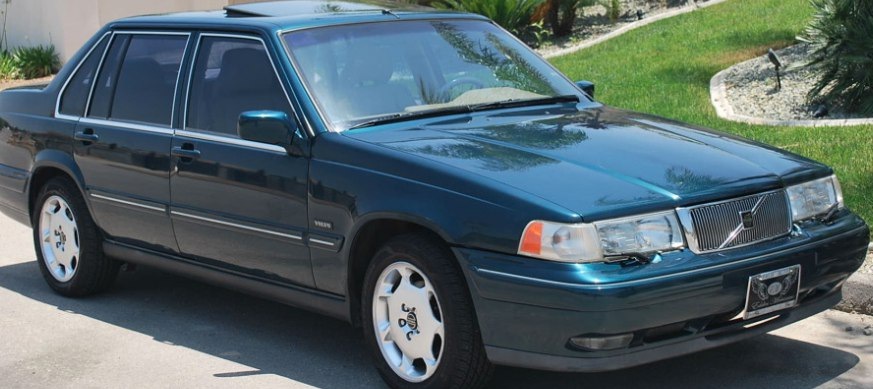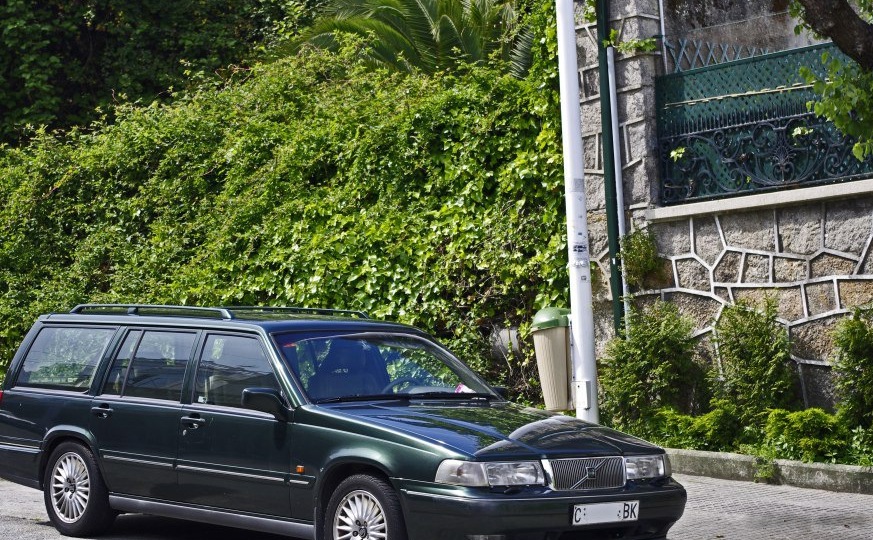
The Volvo 960 Kombi (specifically the 965 designation for the estate/wagon version) 2.4 TD, produced from 1990 to 1991, represented Volvo’s foray into offering a diesel-powered variant of their flagship 900-series. Positioned as a practical and economical option within the 960 lineup, it catered to buyers prioritizing fuel efficiency and load-carrying capacity over outright performance. The 960 series, built on Volvo’s P90 platform, aimed to blend Scandinavian practicality with a degree of luxury, and the 2.4 TD Kombi was no exception. It was primarily sold in European markets where diesel engines were more popular due to taxation and fuel costs.
Technical Specifications
| Brand | Volvo |
| Model | 960 |
| Generation | 960 Kombi (965) |
| Type (Engine) | 2.4 TD (115 Hp) |
| Start of production | 1990 |
| End of production | 1991 |
| Powertrain Architecture | Internal Combustion engine |
| Body type | Station wagon (estate) |
| Seats | 5 |
| Doors | 5 |
| Fuel consumption (urban) | 11 l/100 km (21.4 US mpg) |
| Fuel consumption (extra urban) | 7 l/100 km (33.6 US mpg) |
| Fuel Type | Diesel |
| Maximum speed | 180 km/h (111.85 mph) |
| Weight-to-power ratio | 13.5 kg/Hp |
| Weight-to-torque ratio | 6.9 kg/Nm |
| Power | 115 Hp @ 4800 rpm |
| Power per litre | 48.3 Hp/l |
| Torque | 225 Nm @ 2400 rpm (165.95 lb.-ft. @ 2400 rpm) |
| Engine layout | Front, Longitudinal |
| Engine Model/Code | D24T |
| Engine displacement | 2383 cm3 (145.42 cu. in.) |
| Number of cylinders | 6 |
| Engine configuration | Inline |
| Cylinder Bore | 76.5 mm (3.01 in.) |
| Piston Stroke | 86.4 mm (3.4 in.) |
| Compression ratio | 23:1 |
| Number of valves per cylinder | 2 |
| Fuel injection system | Precombustion chamber injection |
| Engine aspiration | Turbocharger |
| Engine oil capacity | 6 l (6.34 US qt | 5.28 UK qt) |
| Coolant | 9.5 l (10.04 US qt | 8.36 UK qt) |
| Kerb Weight | 1550 kg (3417.17 lbs.) |
| Max. weight | 2065 kg (4552.55 lbs.) |
| Max load | 515 kg (1135.38 lbs.) |
| Trunk (boot) space – minimum | 992 l (35.03 cu. ft.) |
| Trunk (boot) space – maximum | 2125 l (75.04 cu. ft.) |
| Fuel tank capacity | 80 l (21.13 US gal | 17.6 UK gal) |
| Length | 4850 mm (190.94 in.) |
| Width | 1750 mm (68.9 in.) |
| Height | 1434 mm (56.46 in.) |
| Wheelbase | 2770 mm (109.06 in.) |
| Front track | 1502 mm (59.13 in.) |
| Rear (Back) track | 1502 mm (59.13 in.) |
| Drivetrain Architecture | Rear wheel drive |
| Drive wheel | Rear wheel drive |
| Number of gears and type of gearbox | 4 gears, manual transmission |
| Front suspension | Wishbone |
| Rear suspension | Coil spring |
| Front brakes | Ventilated discs |
| Rear brakes | Disc |
| Assisting systems | ABS (Anti-lock braking system) |
| Steering type | Steering rack and pinion |
| Power steering | Hydraulic Steering |
| Tires size | 195/65 R15 |
| Wheel rims size | 15 |
Powertrain & Engine Architecture
The heart of the 960 2.4 TD Kombi was the Volvo D24T engine, a 2.4-liter inline-six cylinder diesel. This engine was a further development of Volvo’s well-regarded D24 series, known for its robustness and longevity. The D24T utilized precombustion chamber injection, a system where fuel is injected into a small pre-chamber connected to the main combustion chamber, promoting more complete combustion and reducing noise. A turbocharger was added to increase power output to 115 horsepower and 225 Nm (166 lb-ft) of torque. The engine was mounted longitudinally in the front of the vehicle, driving the rear wheels. The transmission was a 4-speed manual, chosen for its simplicity and durability. Automatic transmissions were not offered with the diesel engine in this generation.
Driving Characteristics
The 960 2.4 TD Kombi, with its 115 hp and relatively low weight of around 1550 kg (3417 lbs), offered respectable, if not exhilarating, performance. Acceleration was adequate for everyday driving, but it wasn’t designed for rapid overtaking. The turbocharger helped to mitigate some of the inherent lag associated with diesel engines, providing a usable boost in power at higher RPMs. The manual transmission’s gear ratios were geared towards fuel efficiency and tractability, rather than outright speed. Compared to the gasoline-powered 960 variants, the diesel offered significantly better fuel economy, but at the expense of performance. The 960 2.4 TD was a comfortable cruiser, well-suited for long distances, and its rear-wheel-drive layout provided a balanced driving experience.
Equipment & Trim Levels
The 960 2.4 TD Kombi was generally equipped with a reasonable level of standard features, reflecting Volvo’s commitment to safety and comfort. Standard equipment typically included power steering, ABS anti-lock brakes, and a comfortable interior with cloth upholstery. Optional extras included a sunroof, upgraded audio systems, and leather upholstery. The interior design was typical of Volvo in the early 1990s – functional, well-built, and focused on ergonomics. The Kombi (estate) body style offered a generous amount of cargo space, making it a practical choice for families and those needing to transport large items.
Chassis & Braking
The 960 Kombi utilized a traditional chassis layout with a wishbone front suspension and a coil-spring rear suspension. This setup provided a comfortable ride and predictable handling. The front brakes were ventilated discs, offering good stopping power, while the rear brakes were solid discs. The ABS system helped to prevent wheel lockup during hard braking, enhancing safety. The steering was a rack-and-pinion system with hydraulic power assistance, providing precise and effortless steering control. Stabilizer bars were fitted to both the front and rear axles to reduce body roll during cornering.
Market Reception & Comparison
The Volvo 960 2.4 TD Kombi was generally well-received by critics and buyers in Europe. It was praised for its fuel efficiency, practicality, and comfortable ride. However, some critics noted that the diesel engine was somewhat noisy and lacked the refinement of its gasoline counterparts. Compared to other diesel-powered estates of the time, the 960 2.4 TD offered a good balance of performance, comfort, and reliability. It was often compared to offerings from Mercedes-Benz and BMW, but typically offered a more affordable price point. Fuel economy was a key selling point, offering a significant advantage over the petrol versions of the 960.
Legacy
The Volvo 960 2.4 TD Kombi, while not a high-volume seller, has developed a loyal following among enthusiasts. The D24T engine is known for its durability and relatively simple mechanical design, making it a reliable and relatively easy to maintain powertrain. Today, well-maintained examples are sought after by collectors and those looking for a classic Volvo estate. Parts availability can be a challenge, but the D24 engine shares many components with other Volvo diesel engines, making sourcing parts somewhat easier. The 960 2.4 TD Kombi represents a unique chapter in Volvo’s history, showcasing their commitment to offering practical and economical vehicles to a discerning clientele.