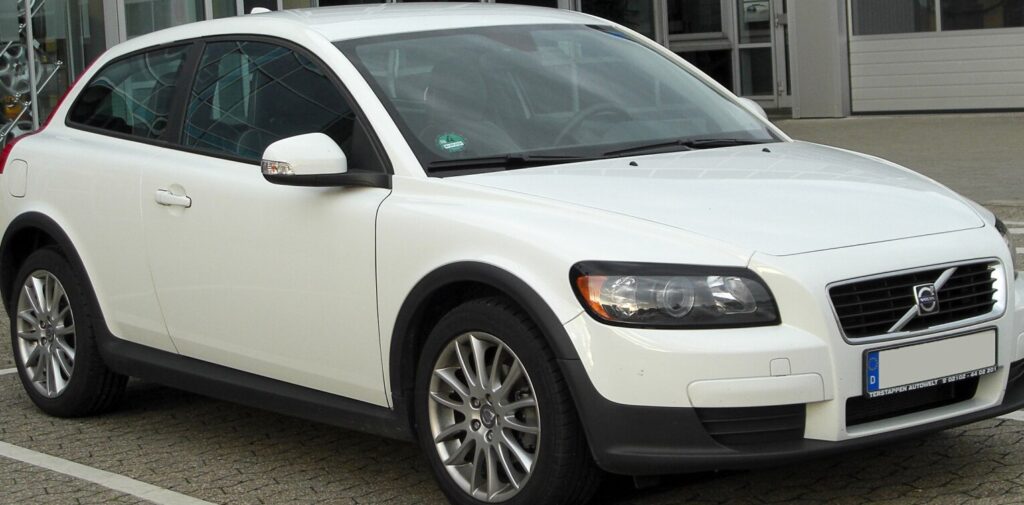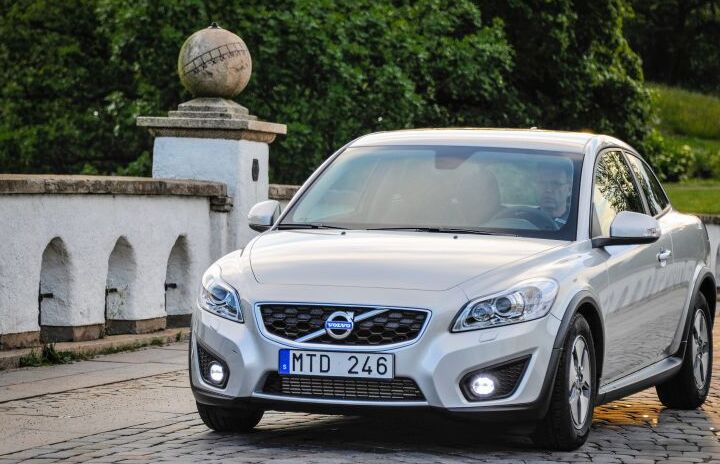
The Volvo C30 2.0i 16V (145 hp) represents a compelling entry point into the stylish and compact Volvo C30 range, particularly within the facelifted models produced from 2010 to 2013. Positioned as a mid-range offering, this variant balanced affordability with a respectable level of performance and equipment. The C30, a distinctive 2+2 coupe, was Volvo’s attempt to capture a younger demographic with its sporty design and focus on driving enjoyment. This specific engine and transmission combination aimed to provide a comfortable and efficient driving experience, appealing to buyers prioritizing practicality and fuel economy over outright speed. It was built on Volvo’s compact platform, shared with the Ford Focus and Mazda 3 of the era, known internally as the C1 platform.
Technical Specifications
| Brand | Volvo |
| Model | C30 |
| Generation | C30 (facelift 2010) |
| Type (Engine) | 2.0 i 16V (145 Hp) |
| Start of production | 2010 |
| End of production | 2013 |
| Powertrain Architecture | Internal Combustion engine |
| Body type | Coupe |
| Seats | 4 |
| Doors | 3 |
| Fuel consumption (urban) | 10.8 l/100 km (21.8 US mpg, 26.2 UK mpg, 9.3 km/l) |
| Fuel consumption (extra urban) | 5.8 l/100 km (40.6 US mpg, 48.7 UK mpg, 17.2 km/l) |
| Fuel consumption (combined) | 7.6 l/100 km (30.9 US mpg, 37.2 UK mpg, 13.2 km/l) |
| CO2 emissions | 177 g/km |
| Fuel Type | Petrol (Gasoline) |
| Acceleration 0 – 100 km/h | 9.4 sec |
| Acceleration 0 – 62 mph | 9.4 sec |
| Acceleration 0 – 60 mph | 8.9 sec |
| Maximum speed | 210 km/h (130.49 mph) |
| Emission standard | Euro 4 |
| Weight-to-power ratio | 9.8 kg/Hp, 102.5 Hp/tonne |
| Weight-to-torque ratio | 7.6 kg/Nm, 130.8 Nm/tonne |
| Power | 145 Hp @ 6000 rpm |
| Power per litre | 72.5 Hp/l |
| Torque | 185 Nm @ 4500 rpm (136.45 lb.-ft. @ 4500 rpm) |
| Engine layout | Front, Transverse |
| Engine Model/Code | B4204S3 |
| Engine displacement | 1999 cm3 (121.99 cu. in.) |
| Number of cylinders | 4 |
| Engine configuration | Inline |
| Cylinder Bore | 87.5 mm (3.44 in.) |
| Piston Stroke | 83.1 mm (3.27 in.) |
| Compression ratio | 10.8:1 |
| Number of valves per cylinder | 4 |
| Fuel injection system | Multi-port manifold injection |
| Engine aspiration | Naturally aspirated engine |
| Valvetrain | DOHC |
| Engine oil capacity | 4.3 l (4.54 US qt | 3.78 UK qt) |
| Coolant | 6.5 l (6.87 US qt | 5.72 UK qt) |
| Kerb Weight | 1414 kg (3117.34 lbs.) |
| Max. weight | 1750 kg (3858.09 lbs.) |
| Max load | 336 kg (740.75 lbs.) |
| Trunk (boot) space – minimum | 278 l (9.82 cu. ft.) |
| Trunk (boot) space – maximum | 921 l (32.52 cu. ft.) |
| Fuel tank capacity | 55 l (14.53 US gal | 12.1 UK gal) |
| Permitted trailer load with brakes (12%) | 1350 kg (2976.24 lbs.) |
| Permitted trailer load without brakes | 700 kg (1543.24 lbs.) |
| Permitted towbar download | 75 kg (165.35 lbs.) |
| Length | 4266 mm (167.95 in.) |
| Width | 1782 mm (70.16 in.) |
| Width including mirrors | 2039 mm (80.28 in.) |
| Height | 1447 mm (56.97 in.) |
| Wheelbase | 2640 mm (103.94 in.) |
| Front track | 1535 mm (60.43 in.) |
| Rear (Back) track | 1531 mm (60.28 in.) |
| Minimum turning circle | 10.6 m (34.78 ft.) |
| Drivetrain Architecture | The Internal combustion engine (ICE) drives the front wheels of the vehicle. |
| Drive wheel | Front wheel drive |
| Number of gears and type of gearbox | 5 gears, manual transmission |
| Front suspension | Spring Strut |
| Rear suspension | Transverse stabilizer |
| Front brakes | Ventilated discs |
| Rear brakes | Ventilated discs |
| Assisting systems | ABS (Anti-lock braking system) |
| Steering type | Steering rack and pinion |
| Tires size | 215/45 R18 |
| Wheel rims size | 18 |
INTRODUCTION
The facelifted Volvo C30 2.0i 16V, produced between 2010 and 2013, represented a refinement of the original C30 launched in 2006. This version benefited from styling updates, improved interior materials, and enhanced safety features. The 2.0i 16V variant, powered by Volvo’s B4204S3 engine, was a key component of the C30 lineup, offering a balance between performance and economy. It sat comfortably in the middle of the range, above the lower-powered 1.6L models and below the performance-oriented T5 turbocharged versions. The C30 aimed to carve out a niche in the premium compact coupe segment, competing with vehicles like the Audi TT and BMW 1 Series Coupe.
Powertrain & Engine Architecture
At the heart of the C30 2.0i 16V lies Volvo’s naturally aspirated 2.0-liter inline-four cylinder engine, designated the B4204S3. This engine utilizes a multi-port fuel injection system and a double overhead camshaft (DOHC) valvetrain with four valves per cylinder. The engine produces 145 horsepower at 6000 rpm and 185 Nm (136.45 lb-ft) of torque at 4500 rpm. The engine’s design prioritized smooth power delivery and fuel efficiency over outright performance. The engine block is constructed from aluminum alloy, contributing to a relatively lightweight powertrain. The 5-speed manual transmission was standard, providing a direct connection between the engine and the front wheels. This transmission was chosen for its simplicity and reliability, offering a traditional driving experience.
Driving Characteristics
The C30 2.0i 16V offered a comfortable and composed driving experience. While not particularly quick, with a 0-60 mph time of around 8.9 seconds, the engine provided sufficient power for everyday driving situations. The 5-speed manual transmission allowed for precise gear selection, and the relatively short wheelbase contributed to agile handling. Compared to the more powerful T5 model, the 2.0i felt less urgent in its acceleration, but it also offered better fuel economy and a more relaxed driving experience. The gear ratios were tuned for efficiency, prioritizing mid-range torque over high-revving performance. The steering was light and precise, making the C30 easy to maneuver in urban environments.
Equipment & Trim Levels
The C30 2.0i 16V typically came equipped with a respectable level of standard features. These included air conditioning, power windows and mirrors, a CD stereo system, and alloy wheels. Safety was a key focus for Volvo, and the C30 included features such as ABS brakes, traction control, and multiple airbags. Optional extras included leather upholstery, a sunroof, a premium audio system, and parking sensors. Interior trim levels varied, with options for different fabric and color combinations. The dashboard layout was clean and functional, with a focus on ergonomics.
Chassis & Braking
The C30’s chassis was based on the Volvo/Ford C1 platform, providing a solid and stable foundation. The front suspension utilized MacPherson struts, while the rear suspension employed a multi-link setup. This configuration provided a good balance between ride comfort and handling precision. The C30 2.0i 16V was equipped with ventilated disc brakes on all four wheels, providing ample stopping power. The ABS anti-lock braking system helped to maintain control during emergency braking situations. The relatively low weight of the 2.0i variant, at approximately 1414 kg (3117.34 lbs), contributed to its agile handling characteristics.
Market Reception & Comparison
The Volvo C30 2.0i 16V received generally positive reviews from automotive critics. It was praised for its stylish design, comfortable interior, and safe driving characteristics. However, some critics noted that the engine lacked the punch of its turbocharged counterparts. Compared to the T5 model, the 2.0i offered significantly better fuel economy, achieving around 30.9 US mpg in combined driving. The 2.0i was also generally more affordable to maintain, as it did not have the added complexity of a turbocharger. It appealed to buyers who prioritized practicality and fuel efficiency over outright performance.
Legacy
The Volvo C30, while not a massive sales success, has gained a loyal following among enthusiasts. The 2.0i 16V variant is known for its reliability and relatively low running costs. The B4204S3 engine is generally considered to be a durable and dependable unit, capable of high mileage with proper maintenance. In the used car market, the C30 2.0i 16V represents a good value proposition, offering a stylish and well-equipped coupe at an affordable price. Its distinctive design and focus on safety continue to appeal to buyers looking for a unique and practical vehicle.