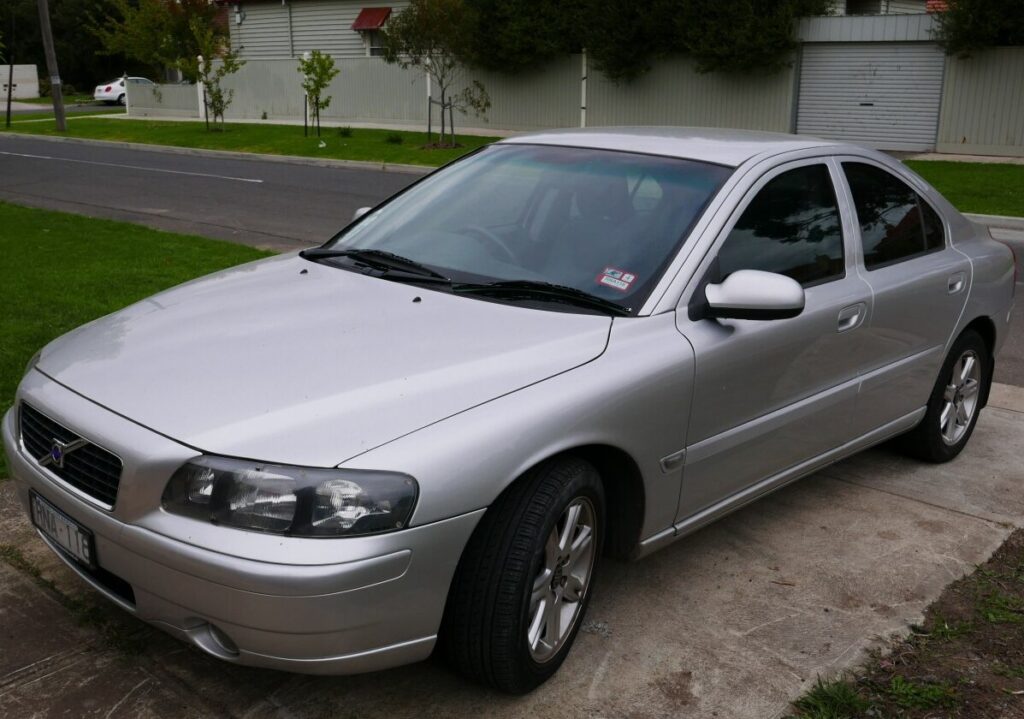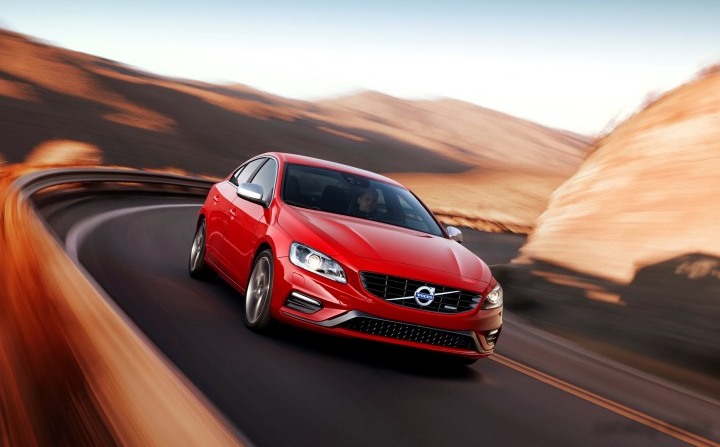
The Volvo S60 II facelift, specifically the 2.0 D4 (163 horsepower) variant with Start/Stop technology, was produced from 2013 to 2015. This model represented a key offering within the second generation of the S60 (designated 134/135 chassis), positioned as a fuel-efficient and relatively affordable entry point into the Volvo sedan lineup. It aimed to balance practicality, comfort, and Volvo’s renowned safety features with a focus on lower running costs, particularly in European markets where diesel engines were highly favored. This version competed directly with other compact executive sedans like the Audi A4, BMW 3 Series, and Mercedes-Benz C-Class, offering a distinct Scandinavian aesthetic and a different driving experience.
Technical Specifications
| Brand | Volvo |
| Model | S60 |
| Generation | S60 II (facelift 2013) |
| Type (Engine) | 2.0 D4 (163 Hp) start/stop |
| Start of production | 2013 |
| End of production | 2015 |
| Powertrain Architecture | Internal Combustion engine |
| Body type | Sedan |
| Seats | 5 |
| Doors | 4 |
| Fuel consumption (urban) | 5.1 l/100 km (46.1 US mpg, 55.4 UK mpg, 19.6 km/l) |
| Fuel consumption (extra urban) | 3.9 l/100 km (60.3 US mpg, 72.4 UK mpg, 25.6 km/l) |
| Fuel consumption (combined) | 4.3 l/100 km (54.7 US mpg, 65.7 UK mpg, 23.3 km/l) |
| CO2 emissions | 114 g/km |
| Fuel Type | Diesel |
| Acceleration 0 – 100 km/h | 9.2 sec |
| Acceleration 0 – 62 mph | 9.2 sec |
| Acceleration 0 – 60 mph | 8.7 sec |
| Maximum speed | 220 km/h (136.7 mph) |
| Emission standard | Euro 5 |
| Weight-to-power ratio | 10.1 kg/Hp, 99.1 Hp/tonne |
| Weight-to-torque ratio | 4.1 kg/Nm, 243.3 Nm/tonne |
| Power | 163 Hp @ 3500 rpm |
| Power per litre | 82.2 Hp/l |
| Torque | 400 Nm @ 1500-2750 rpm (295.02 lb.-ft. @ 1500-2750 rpm) |
| Engine layout | Front, Transverse |
| Engine Model/Code | D5204T3 |
| Engine displacement | 1984 cm3 (121.07 cu. in.) |
| Number of cylinders | 5 |
| Engine configuration | Inline |
| Cylinder Bore | 81 mm (3.19 in.) |
| Piston Stroke | 77 mm (3.03 in.) |
| Compression ratio | 16.5:1 |
| Number of valves per cylinder | 4 |
| Fuel injection system | Diesel Commonrail |
| Engine aspiration | Turbocharger, Intercooler |
| Valvetrain | DOHC |
| Engine oil capacity | 5.9 l (6.23 US qt | 5.19 UK qt) |
| Coolant | 8.9 l (9.4 US qt | 7.83 UK qt) |
| Kerb Weight | 1644 kg (3624.4 lbs.) |
| Max. weight | 2090 kg (4607.66 lbs.) |
| Max load | 446 kg (983.26 lbs.) |
| Trunk (boot) space – minimum | 380 l (13.42 cu. ft.) |
| Fuel tank capacity | 67.5 l (17.83 US gal | 14.85 UK gal) |
| Length | 4635 mm (182.48 in.) |
| Width | 1899 mm (74.76 in.) |
| Height | 1484 mm (58.43 in.) |
| Wheelbase | 2776 mm (109.29 in.) |
| Front track | 1588 mm (62.52 in.) |
| Rear (Back) track | 1585 mm (62.4 in.) |
| Ride height (ground clearance) | 136 mm (5.35 in.) |
| Minimum turning circle | 11.5 m (37.73 ft.) |
| Drivetrain Architecture | ICE, Front wheel drive |
| Number of gears and type of gearbox | 6 gears, manual transmission |
| Front suspension | Independent, type McPherson with coil spring and anti-roll bar |
| Rear suspension | Independent coil spring |
| Front brakes | Ventilated discs |
| Rear brakes | Disc |
| Assisting systems | ABS (Anti-lock braking system) |
| Steering type | Steering rack and pinion |
Powertrain & Engine Architecture
The heart of the S60 D4 was the Volvo D5204T3 engine, a 2.0-liter inline-five cylinder diesel. This engine was a cornerstone of Volvo’s diesel offerings for many years, known for its robust construction and relatively smooth operation for a diesel. The D5204T3 utilized a common rail direct injection system, delivering fuel at extremely high pressures for optimized combustion. A turbocharger with an intercooler was employed to boost power and torque, providing a broad torque curve. The engine featured a double overhead camshaft (DOHC) valvetrain with four valves per cylinder, contributing to its efficiency and power output. The Start/Stop system, a key feature of this variant, automatically shut off the engine when the vehicle came to a halt, reducing fuel consumption and emissions in urban driving conditions. The engine was transversely mounted in the front of the vehicle, driving the front wheels. The six-speed manual transmission was chosen for its efficiency and driver engagement, although an automatic transmission was also available as an option.
Driving Characteristics
The 2.0 D4 with the manual transmission offered a balanced driving experience. While not overtly sporty, it provided sufficient power for everyday driving and highway cruising. The 400 Nm (295 lb-ft) of torque, available from a low 1500 rpm, meant that the car felt responsive in most situations, with good acceleration for overtaking. The six-speed gearbox was well-matched to the engine’s characteristics, allowing for comfortable cruising at highway speeds. Compared to higher-output S60 variants, such as the T5 or T6, the D4 felt less eager to rev, but it compensated with significantly better fuel economy. The manual transmission provided a more engaging driving experience than the optional automatic, offering greater control and responsiveness. The relatively low weight of the engine contributed to balanced handling, although the front-wheel-drive configuration could exhibit some understeer when pushed hard.
Equipment & Trim Levels
The S60 D4 typically came with a respectable level of standard equipment. This included climate control, power windows and mirrors, a basic audio system with USB connectivity, and a suite of safety features such as ABS, traction control, and multiple airbags. Higher trim levels, such as the SE or Inscription, added features like leather upholstery, upgraded audio systems, parking sensors, and a sunroof. The interior design was typically Scandinavian in style, emphasizing simplicity and functionality. Upholstery options included cloth and leather, with a range of color choices available. The dashboard layout was clean and intuitive, with easy-to-use controls.
Chassis & Braking
The S60 II utilized a McPherson strut front suspension and an independent coil spring rear suspension. This setup provided a good balance between ride comfort and handling. The front suspension incorporated an anti-roll bar to reduce body roll during cornering. The braking system consisted of ventilated discs at the front and solid discs at the rear. ABS (Anti-lock Braking System) was standard, enhancing braking performance and stability. The steering was a rack and pinion system, providing precise and responsive steering feel.
Market Reception & Comparison
The Volvo S60 D4 was generally well-received by critics for its fuel efficiency, comfortable ride, and strong safety credentials. It was often praised for its refined diesel engine and its ability to deliver a relaxing driving experience. However, some reviewers noted that it lacked the outright performance and dynamic handling of some of its German rivals. Compared to the petrol-powered S60 variants, the D4 offered significantly better fuel economy, making it a popular choice for drivers who prioritized running costs. The D4 also proved to be a reliable and durable powertrain, with relatively few reported issues.
Legacy
The Volvo S60 D4 (2013-2015) remains a popular choice in the used car market, particularly for those seeking a fuel-efficient and reliable sedan. The D5204T3 engine has proven to be a durable unit, and with regular maintenance, it can provide many years of trouble-free service. While the Start/Stop system can sometimes be prone to issues, these are generally minor and can be addressed with proper servicing. The S60 D4 represents a compelling blend of Scandinavian design, practicality, and fuel efficiency, making it a worthwhile consideration for buyers looking for a comfortable and economical executive sedan.